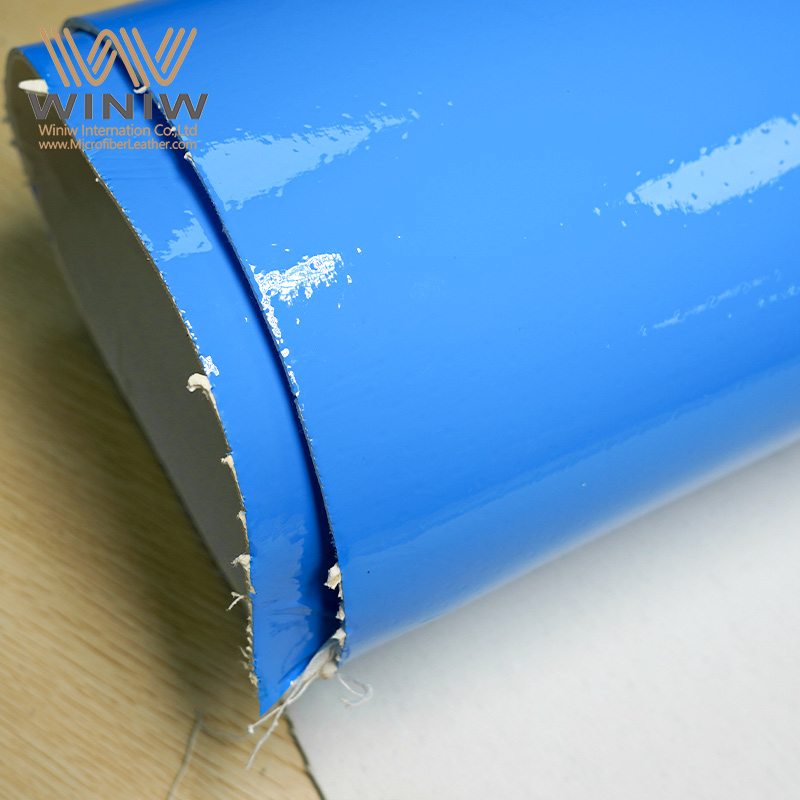
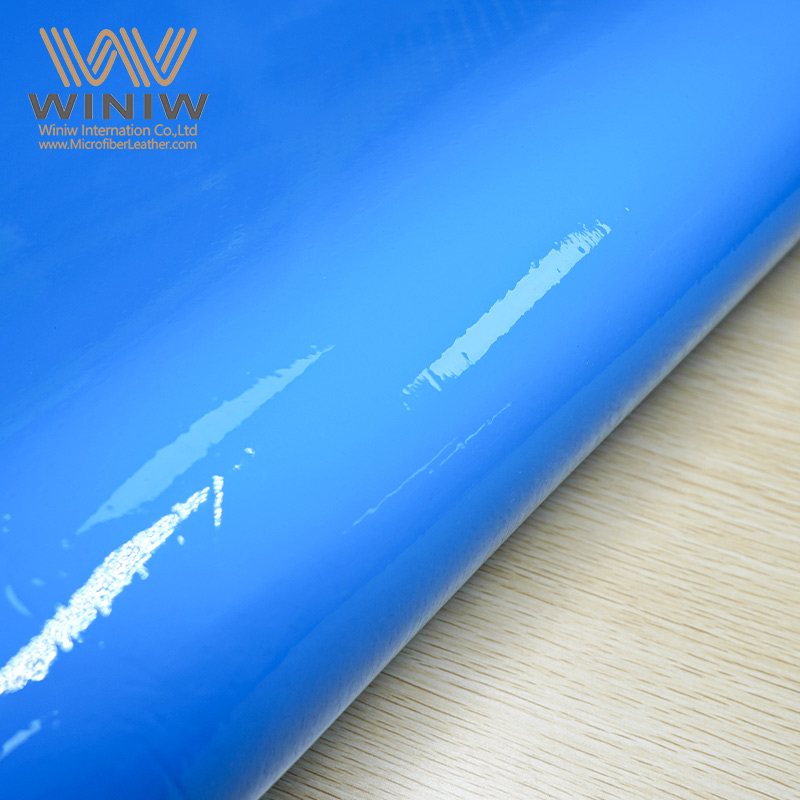
Fans often seek ways to recognize pu material football nfl products quickly. PU, or polyurethane, offers a smooth texture and consistent appearance in football construction. PU leather provides excellent grip and resists abrasion, making it a preferred material for professional play. Many brands label their footballs with clear material information for easy identification. A simple checklist streamlines the process, helping players and collectors spot PU features with confidence.
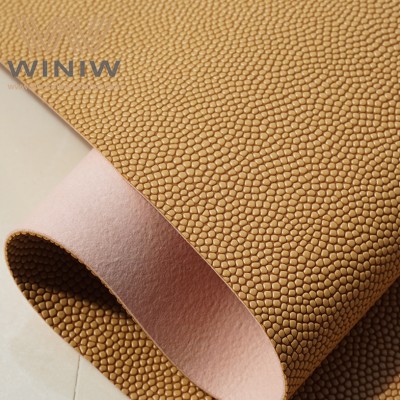
PU material footballs have a smooth, slightly cushioned surface that enhances grip and feels less grainy than leather.
Look for consistent color and a glossy finish; PU footballs lack natural imperfections found in traditional leather.
PU footballs are lighter and more flexible, allowing for easier handling and faster throws during play.
Check for clear markings like 'PU' or 'PU Leather' on the ball to confirm the material type before purchase.
Use a simple checklist to identify PU footballs: examine texture, color, weight, markings, and packaging for accurate results.
PU material football nfl products deliver a distinct tactile experience. The surface feels smooth and slightly soft, offering a precise touch that enhances grip. Players notice that PU resists abrasion, maintaining its texture even after repeated use on turf or grass. The material does not absorb moisture easily, which helps the football retain its feel during wet conditions. Many athletes prefer PU for its consistent grip, especially in fast-paced games.
Tip: When handling a football, check for a uniform, slightly cushioned surface. PU material often feels less grainy than traditional leather.
PU footballs display a consistent and even color across the entire surface. Manufacturers can produce PU in a wide range of shades, but NFL footballs typically feature rich browns or deep reds. The finish appears glossy or semi-matte, depending on the brand. Unlike leather, PU does not show natural imperfections or grain patterns. The material looks flawless and uniform, which helps teams maintain a professional appearance on the field.
|
Feature |
PU Footballs |
Leather Footballs |
|---|---|---|
|
Color |
Even, consistent |
Natural, varied |
|
Surface |
Smooth, flawless |
Grainy, textured |
|
Finish |
Glossy/semi-matte |
Matte |
PU material football nfl models weigh less than traditional leather footballs. The lighter weight allows for easier handling and faster throws. PU offers flexibility, enabling the football to withstand impacts without deforming. The material bends slightly under pressure but quickly returns to its original shape. This resilience supports long-term use and reliable performance in various climates.
The production of PU involves petrochemicals, which release carbon dioxide and methane, contributing to global warming.
Most PU materials do not biodegrade, leading to long-term environmental persistence.
The breakdown of PU can result in microplastics entering the food chain, posing health risks.
Players and coaches value PU for its durability and adaptability. The material maintains its shape and performance, even in extreme heat or humidity.
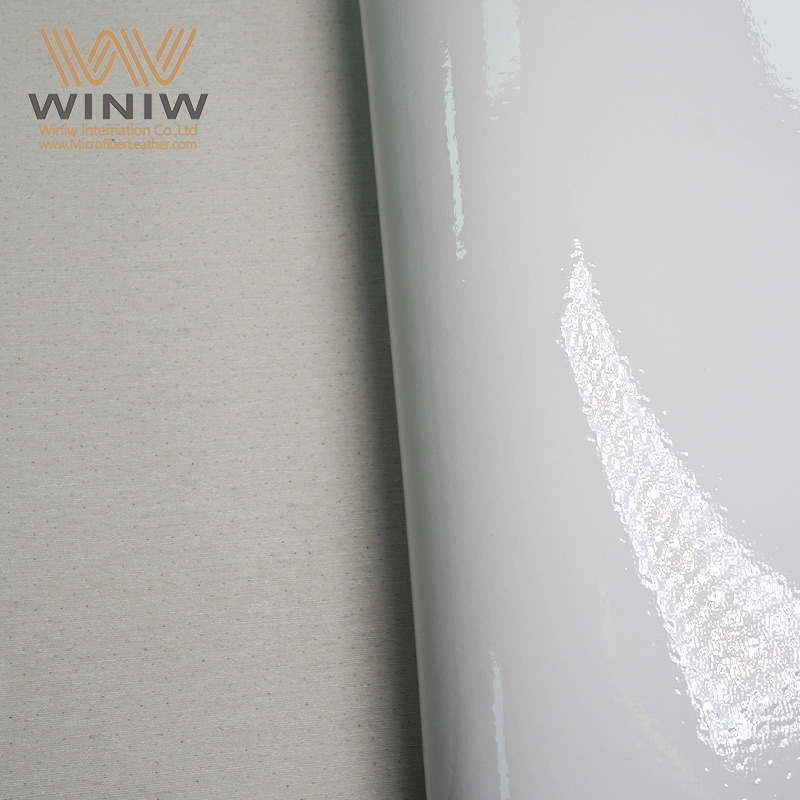
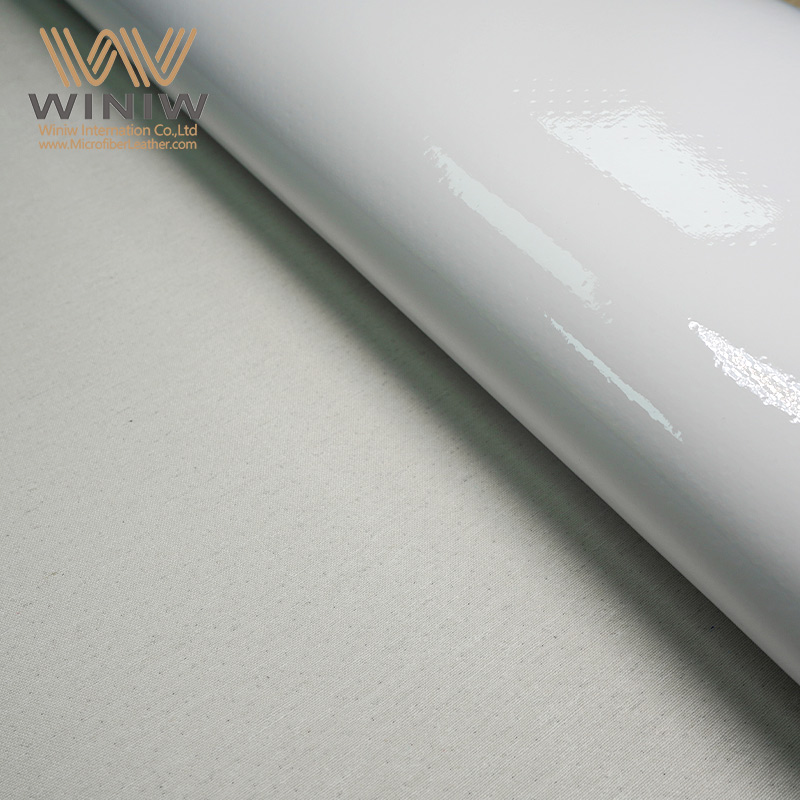
Observers can distinguish pu leather footballs from traditional leather footballs by examining several visual cues. The surface of pu leather footballs appears smooth and uniform. Manufacturers design these footballs with a flawless finish that lacks the natural grain and imperfections found in genuine leather. The color of pu leather footballs remains consistent across the entire football, often displaying rich browns or deep reds. In contrast, leather footballs show natural variations in shade and texture. The grainy appearance and occasional blemishes on leather footballs reflect the organic origin of the material.
|
Feature |
PU Leather Footballs |
Leather Footballs |
|---|---|---|
|
Surface Texture |
Smooth, flawless |
Grainy, natural imperfections |
|
Color Consistency |
Even, rich |
Varied, organic |
|
Finish |
Glossy or semi-matte |
Matte |
Note: Teams often select pu leather footballs for their professional look and uniformity. The absence of visible flaws helps maintain a polished image on the field.
The performance of pu leather footballs differs significantly from that of traditional leather footballs. Players experience enhanced grip with pu leather footballs due to the material's slightly cushioned surface. This grip remains reliable in wet or humid conditions, as pu material football nfl models resist moisture absorption. The lighter weight of pu leather footballs allows athletes to throw and handle the football with greater speed and control.
Durability stands out as a key advantage of pu leather footballs. The material resists abrasion and deformation, maintaining its shape after repeated impacts. Coaches observe that pu leather footballs perform consistently in extreme climates, including high heat and humidity. Leather footballs, while valued for their classic feel and tradition, may absorb moisture and lose their shape over time. The organic fibers in leather can stretch or crack, especially when exposed to harsh weather.
Players and collectors often debate the merits of pu leather footballs versus leather footballs. Tradition favors leather footballs for their historical significance and tactile experience. However, pu leather footballs offer modern benefits such as improved grip, lighter weight, and greater resistance to environmental stress. Teams seeking reliable performance and longevity frequently choose pu leather footballs for both practice and competition.
PU leather footballs provide:
Consistent grip in all weather
Lightweight handling
Resistance to heat and deformation
Uniform appearance
Leather footballs offer:
Classic texture and tradition
Natural grip that changes with use
Unique appearance with organic imperfections
Tip: When selecting a football for professional play, consider the climate and frequency of use. PU leather footballs excel in environments where durability and consistency matter most.
Manufacturers often provide clear information about the composition of each football. They place labels or tags on the packaging or directly on the ball. These labels usually state the type of material used in construction. Brands like Wilson and Nike include a small printed section near the inflation valve or laces. This area may display terms such as "PU," "Polyurethane," or "Synthetic Leather." Retailers also list material details on product pages and in-store displays. Shoppers can check the official website for technical specifications. The product description often highlights the benefits of PU, such as durability and moisture resistance.
Tip: Always inspect the football for a label or sticker before purchase. The label provides the fastest way to confirm the material type.
PU footballs feature specific markings that help buyers identify the material. The most common marking is "PU" or "PU Leather," printed in small letters on the surface. Some brands use a code or abbreviation, such as "SYN" for synthetic. These markings appear near the manufacturer's logo or on the seam. A table below summarizes typical PU markings found on NFL footballs:
|
Marking |
Location |
Meaning |
|---|---|---|
|
PU |
Near valve or logo |
Polyurethane material |
|
PU Leather |
On side panel |
Synthetic leather |
|
SYN |
Close to seam |
Synthetic composition |
Collectors and players rely on these markings to verify authenticity. They avoid confusion with genuine leather footballs by checking for these identifiers. Brands maintain consistency in labeling to support easy recognition. Some manufacturers also include a QR code that links to product details online.
Note: If the football lacks clear markings, consult the brand’s website or customer service for confirmation.
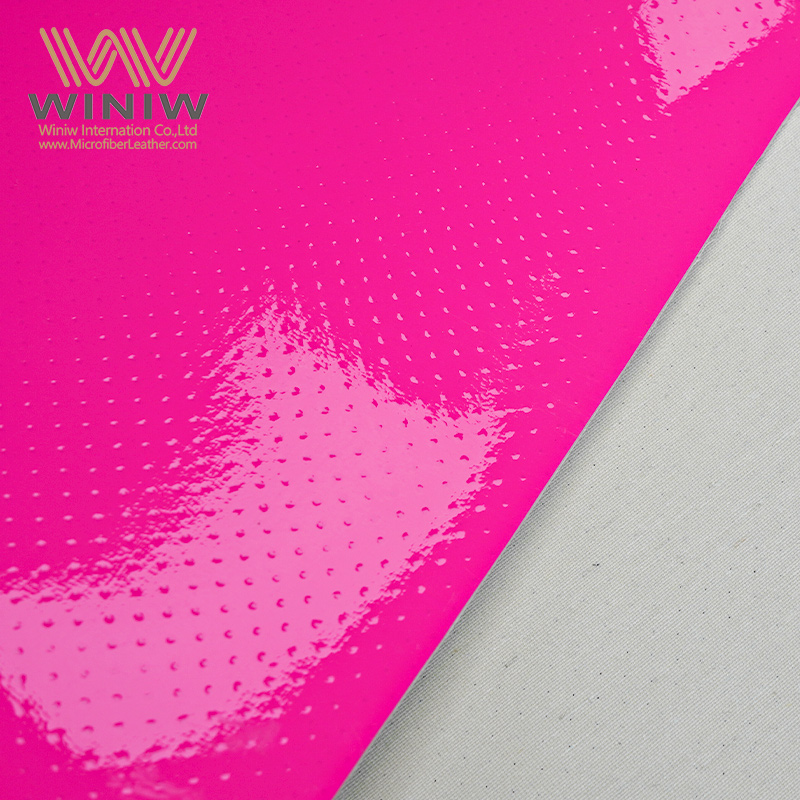
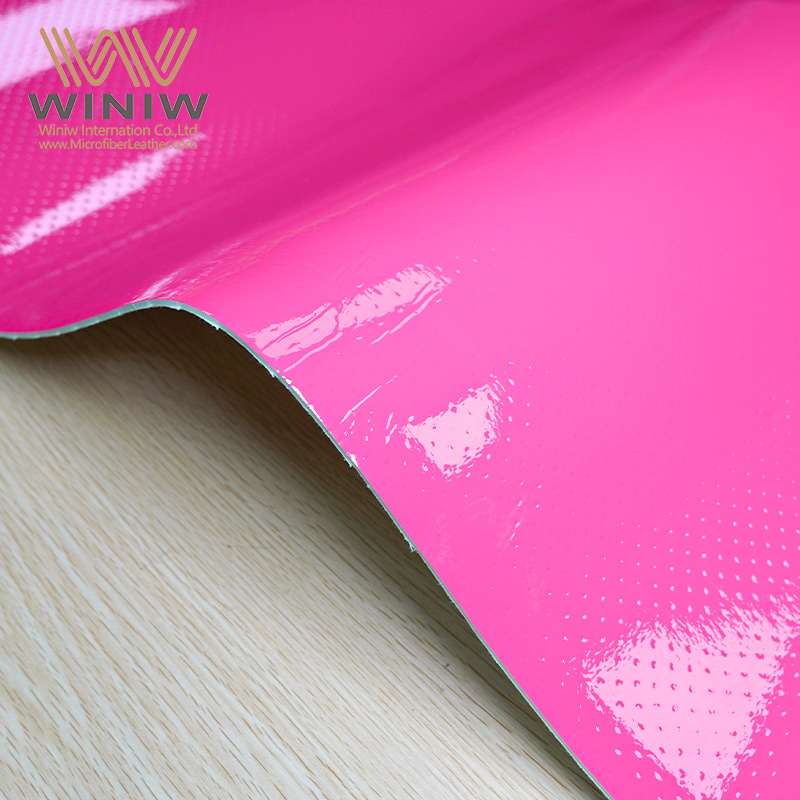
A quick checklist helps players, coaches, and collectors identify PU material in a football with confidence. Follow these steps for accurate results:
Examine the Surface Texture
Run your fingers across the ball. PU material feels smooth and slightly cushioned. The surface lacks the grainy or rough texture found in genuine leather.
Check the Color Consistency
Observe the color under good lighting. PU footballs display an even, uniform shade without natural blemishes or variations. The finish often appears glossy or semi-matte.
Assess the Weight and Flexibility
Hold the ball in both hands. PU models feel lighter than traditional leather. Gently press the surface. PU bends slightly and returns to shape quickly, showing resilience.
Look for Material Markings
Inspect the area near the valve, laces, or seams. Most manufacturers print "PU," "PU Leather," or "SYN" on the ball. These markings confirm the use of polyurethane.
Review the Packaging or Product Label
Read any tags or labels attached to the ball or its packaging. Brands often list the material type and highlight features like moisture resistance and durability.
Tip: If the ball lacks clear markings, visit the manufacturer’s website or contact customer support. Product pages and technical sheets usually provide detailed material information.
|
Step |
What to Look For |
Why It Matters |
|---|---|---|
|
Surface Texture |
Smooth, cushioned feel |
Indicates synthetic material |
|
Color Consistency |
Even, flawless color |
PU lacks natural imperfections |
|
Weight & Flexibility |
Lighter, resilient structure |
PU offers easy handling |
|
Material Markings |
"PU", "PU Leather", or "SYN" |
Confirms polyurethane use |
|
Labels/Packaging |
Material listed on tag/label |
Verifies product details |
This checklist streamlines the identification process. Anyone can use it to distinguish PU material from leather quickly and accurately.
Identifying PU material in an NFL football requires attention to texture, color, and labeling. Readers can rely on the checklist for quick recognition and compare PU features with traditional leather. They should inspect their own football for markings and surface quality to ensure optimal performance.
Tip: Consistent grip and flawless appearance often indicate PU material.
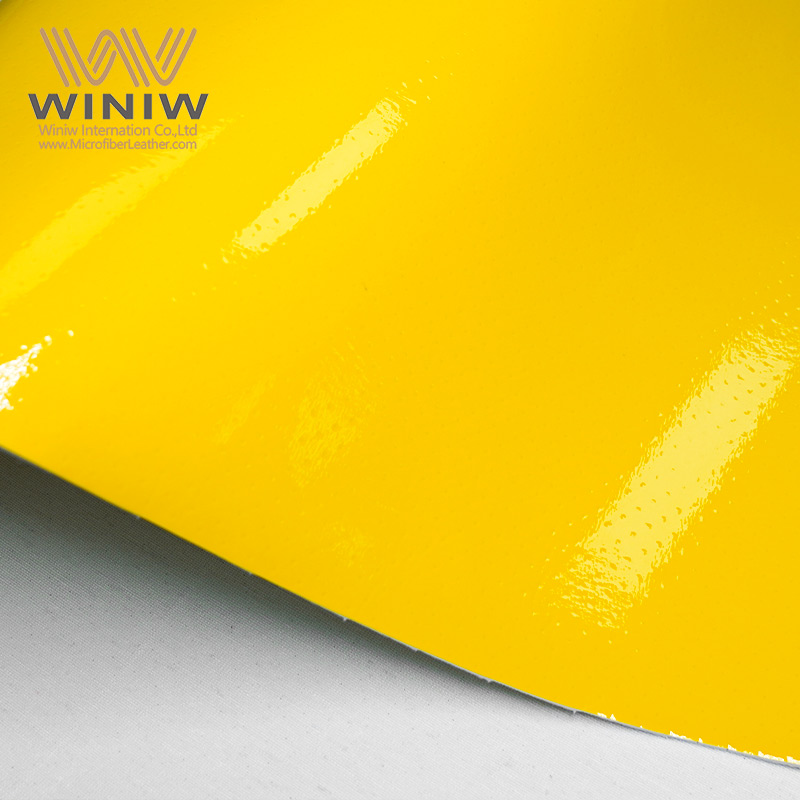
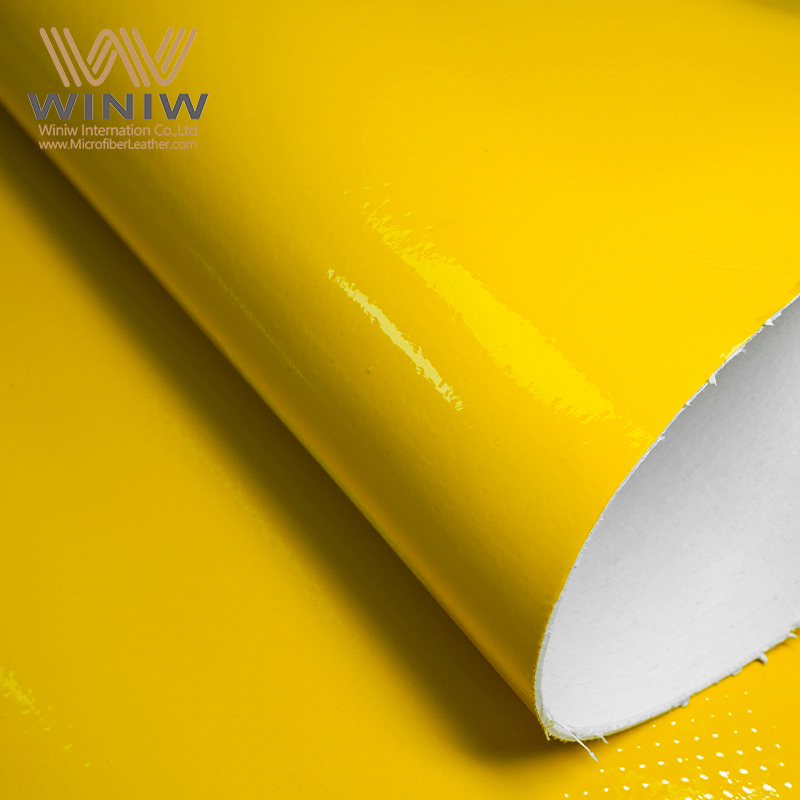
Synthetic leather footballs use advanced materials to deliver consistent quality and reliable performance. Manufacturers design these footballs for durability and moisture resistance. Players notice the smooth surface and uniform color. Synthetic leather footballs maintain their shape and grip in all weather conditions.
The size of the football determines handling and control. High-quality football models come in various sizes for different age groups and skill levels. Coaches select the correct size to ensure reliable performance and consistent quality during games. The right size supports durability and player comfort.
Teams prefer synthetic footballs because they offer durability and reliable performance. Synthetic leather resists abrasion and deformation. The outer material provides consistent quality and grip. Players experience uniform handling and control. Synthetic footballs meet strict standards for high-quality football equipment.
Buyers examine the surface for flaws and check for consistent quality. They review the product label for information about synthetic leather and durability. Many high-quality footballs feature fifa certification. Reliable performance and long-lasting durability indicate a well-made synthetic football.
Collectors focus on consistent quality, durability, and reliable performance. They inspect the size, outer material, and markings. Synthetic leather footballs with clear labeling and uniform appearance offer high-quality football standards. Collectors value footballs that maintain their shape and grip over time.
Business Phone : +8618150976625
E-mail : Hello@MicrofiberLeather.com
Mobile & WhatsApp : +8618150976625
Address : W6-302 Shimao Manhadun Shuanglong Road, Jinjiang Quanzhou Fujian China



© Copyright 2022 Winiw International Co.,Ltd.All Rights Reserved.
XML | Privacy Policy |