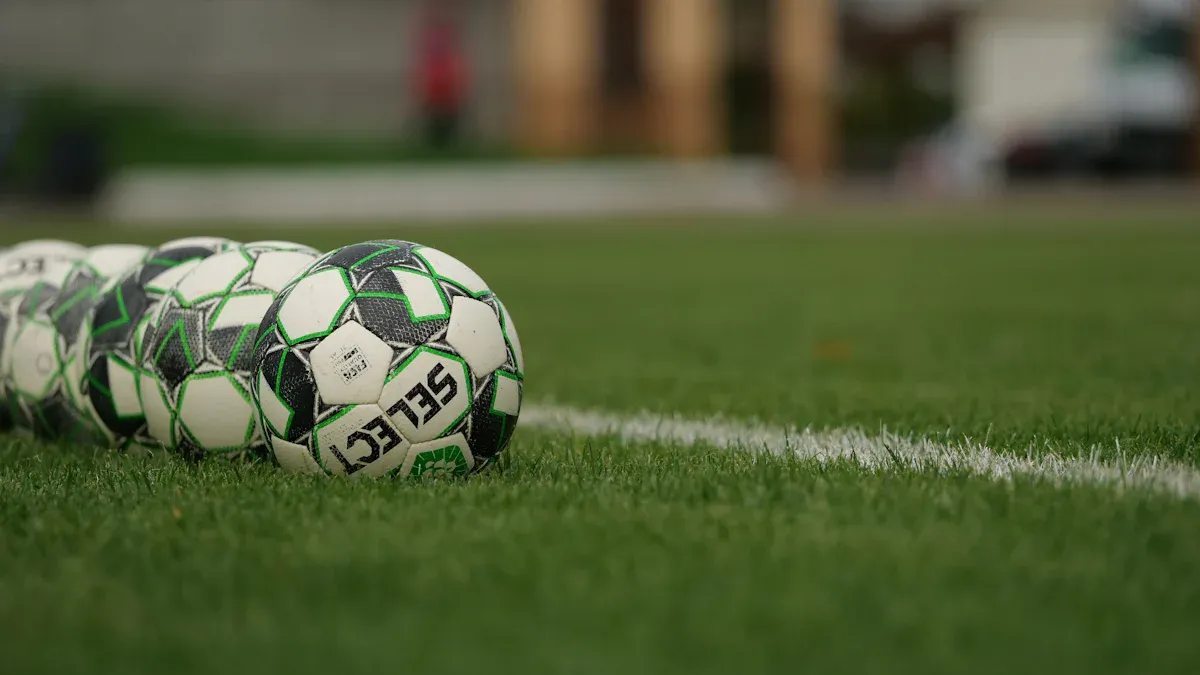
I always recommend these soccer balls for training and matches:
Nike Academy Soccer Ball
SELECT Brilliant Super Soccer Ball
FIFA Approved Size 5 Match Ball
White MLS 25 Training Ball
UCL Training 25/26 League Stage Ball
Custom Logo Thermal Bonded PU Ball
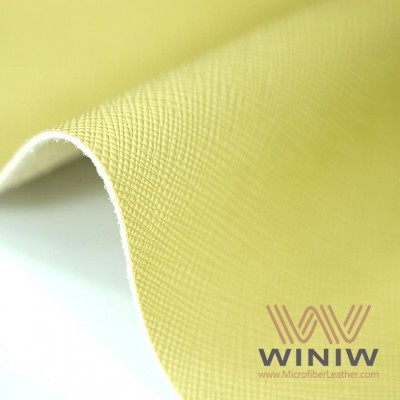
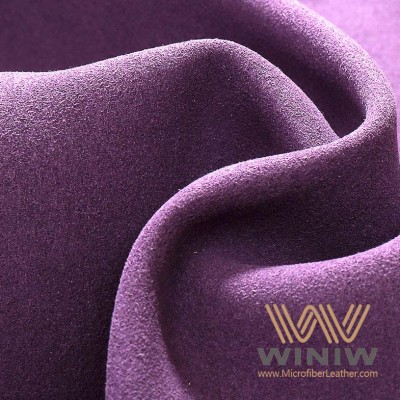
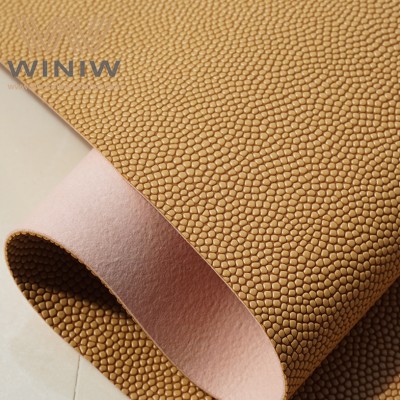
Football PU Material gives each ball superior durability, a consistent touch, and reliable performance. I trust these picks to handle intense drills and competitive play.
Choose soccer balls made from PU material for superior durability and consistent performance during training and matches.
Select the right ball size based on the player's age and skill level to enhance control and skill development.
Differentiate between training and match balls; use training balls for practice and match balls for official games to improve adaptability.
Regularly clean and store your PU soccer balls properly to extend their lifespan and maintain performance.
Always check for FIFA certification when selecting a soccer ball for official matches to ensure it meets high standards.
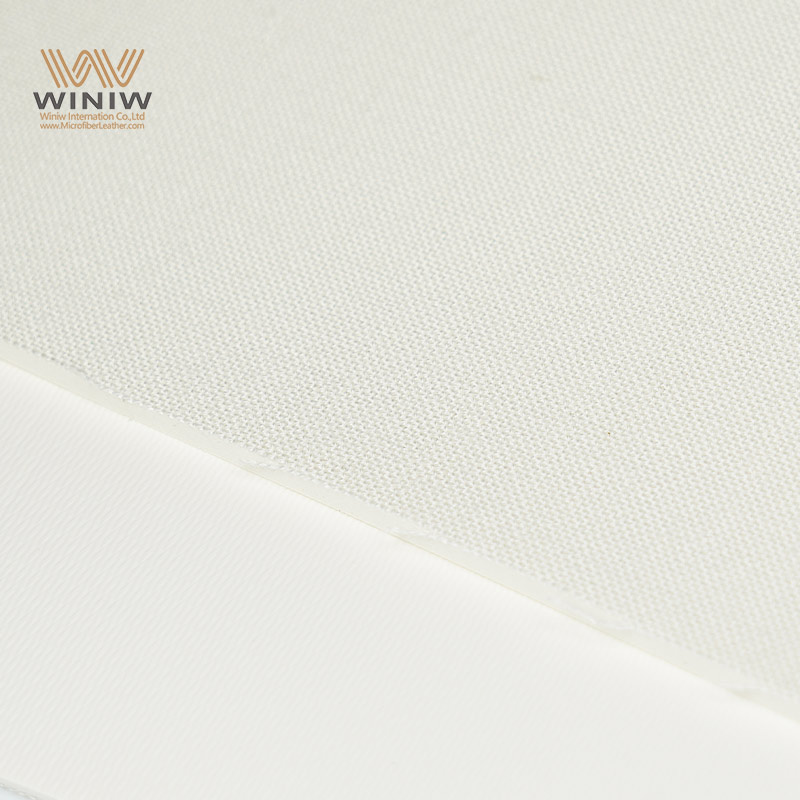
When I select the best soccer balls for training and match play, I focus on models that deliver consistent performance and durability. The market offers several options, but a few stand out based on recent reviews and my own experience. I always look for balls that maintain their shape, provide a reliable touch, and withstand repeated use on various surfaces.
Here are the best rated soccer balls for both training and matches according to recent tests:
|
Product Name |
Rating |
|---|---|
|
Training Quality Soccer Ball PU/PVC Laminated Match Football |
4.8/5.0 |
|
2025 Best Quality Thermally Bonded Professional Match Football |
5.0/5.0 |
|
Customized Indoor Size 5 Soccer Ball Machine Stitched Panels |
5.0/5.0 |
These models consistently rank among the best soccer balls available. I recommend them for players who want a top-rated soccer ball for training and competitive matches. Each ball features advanced PU material construction, which enhances durability and touch.
I use specific criteria to choose the best soccer balls for my teams and clients. Material quality comes first. PU material offers a soft touch and resists abrasion, making it ideal for intense training sessions. Durability matters because frequent use can wear down lesser balls quickly. I also consider performance factors such as flight stability, water resistance, and panel construction.
I evaluate each ball for its ability to retain air and shape after repeated kicks. I check how the ball responds on grass, turf, and indoor surfaces. I look for certification marks like FIFA Approved, which guarantee match-level standards. Price plays a role, but I prioritize value over cost. I want every player to train with equipment that supports skill development and game readiness.
Tip: Always choose a ball that matches your training environment and skill level. The right ball can make every session more productive.
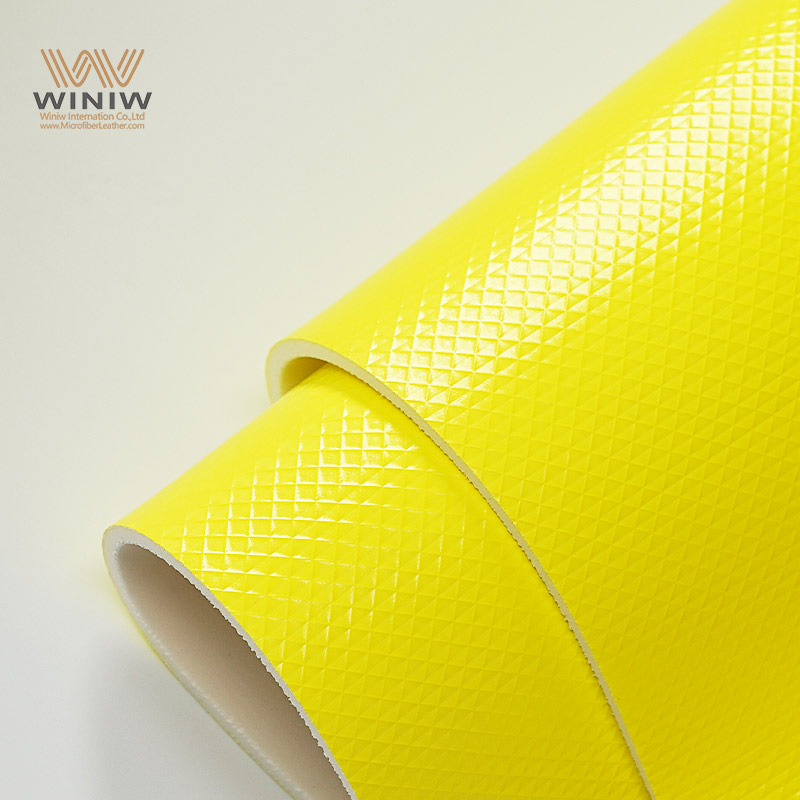
I always choose football pu material for soccer balls because it delivers unmatched durability and a superior touch. The abrasion-resistant and tear-resistant qualities of PU synthetic leather allow the ball to withstand tough drills and repeated kicks during training. I notice that the breathable nature of football pu material keeps the ball comfortable to handle, even in changing weather conditions. The raised texture on the surface improves grip, which helps players control the ball better and enhances accuracy in both throws and kicks. I see that the pattern distributes impact forces evenly, reducing wear and extending the life of the ball. When I compare football pu material to PVC or real cowhide leather, PU stands out for its excellent wear resistance and reliable feel.
|
Material |
Durability Features |
Performance Characteristics |
|---|---|---|
|
PU Synthetic Leather |
Abrasion-resistant, tear-resistant, breathable |
Excellent wear resistance, comfortable feel, weather resistant |
|
Water-resistant, poor low-temperature and aging resistance |
Heavier, less responsive, suitable for beginners |
|
|
Real Cowhide Leather |
Generally durable but varies with treatment |
High-end feel, but may not withstand repeated use as well as PU |
I recommend football pu material for players who want consistent performance and a ball that lasts through intense training sessions.
Football pu material excels in outdoor play. I see predictable flight paths because the aerodynamic stability of PU construction keeps the ball moving true. The weather-resistant properties ensure the ball performs well in rain or shine. I notice that football pu material maintains its shape and responsiveness on grass, turf, and even hard surfaces. The enhanced durability means I do not worry about the ball losing air or getting damaged quickly. Compared to PVC, which feels heavier and less responsive, football pu material offers a lighter touch and better performance for all skill levels. Real cowhide leather may provide a premium feel, but PU delivers consistent performance and reliability for both training and matches.
Improved grip and accuracy
Enhanced durability for repeated use
Aerodynamic stability for predictable performance
Football pu material remains my top choice for soccer balls because it supports high-level performance, withstands tough conditions, and helps players develop their skills during training.
I recommend the Nike Academy Soccer Ball for players who want reliable performance during training and matches. The ball uses a premium quality PU cover that resists abrasion and maintains a soft touch. I notice the Aerowsculpt technology, which helps stabilize flight and ensures consistent movement on the field. The textured surface improves grip, making it easier to control passes and shots. I find this ball best for soccer players who demand precision in every drill.
Key Features:
Aerowsculpt technology for stable flight
Durable PU cover for long-lasting use
Textured surface for improved grip
Pros:
Excellent air retention
Consistent touch and feel
Suitable for all weather conditions
Cons:
Slightly heavier than some match balls
Not FIFA Quality Pro certified
Ideal Use Cases:
I use this ball for youth and adult training sessions. It performs well on grass and turf. I recommend it for players who want a dependable ball for daily practice.
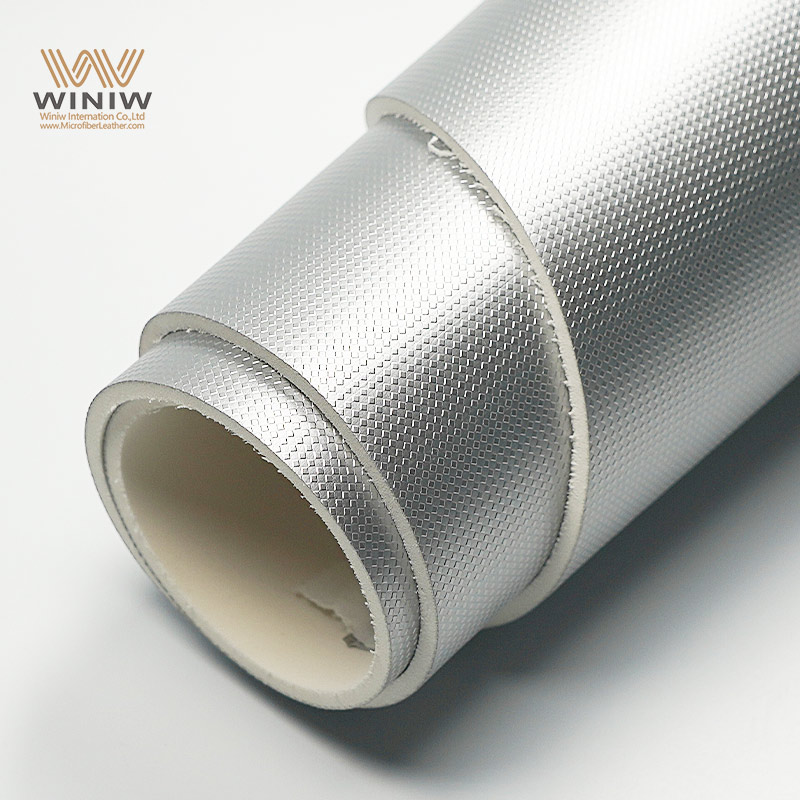
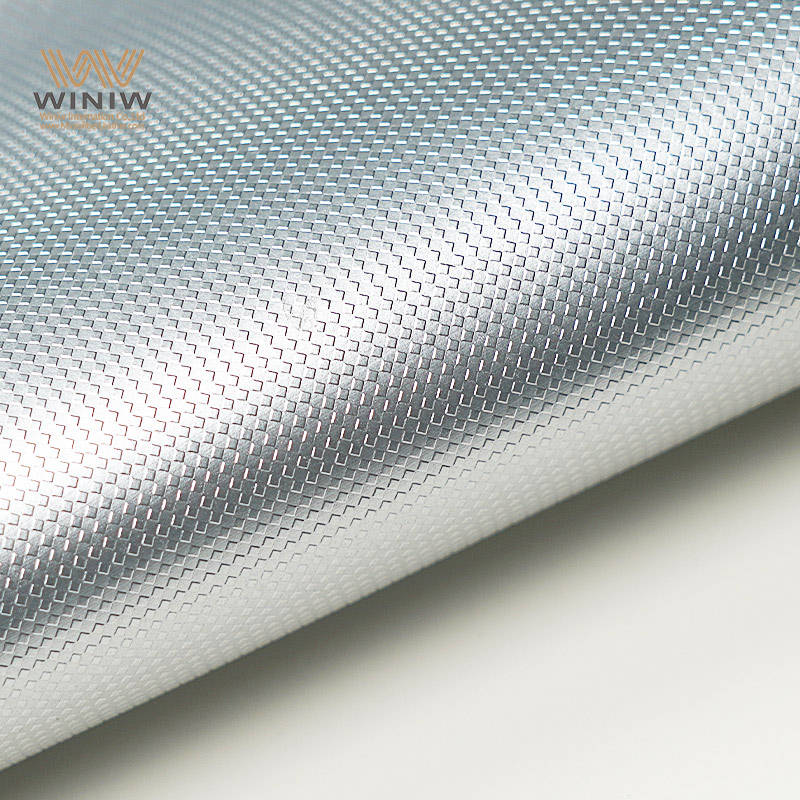
I trust the SELECT Brilliant Super Soccer Ball for high performance on the field. The ball features a 32-panel thermo-bonded construction, which reduces water absorption and increases durability, especially on wet surfaces. I appreciate the 3D diamond surface structure, known as True Flight technology, which enhances stability and trajectory. The Zero-Wing latex bladder with a balanced core and 4mm foam lining delivers optimal touch and air retention. This ball has earned FIFA quality pro certification, making it one of the best rated soccer ball for professional matches.
Key Features:
32-panel thermo-bonded PU construction
True Flight technology for stable trajectory
Zero-Wing latex bladder for air retention
Available in sizes 3 through 5
Pros:
Exceptional durability in all conditions
Consistent flight and touch
Official FIFA quality pro certification
Cons:
Higher price point
May feel firm for younger players
Ideal Use Cases:
I use this ball for official matches and advanced training. It is best for serious players who want the best for professional matches and training. I recommend it for those who need FIFA-approved soccer balls with proven reliability.
I select the FIFA Approved Size 5 Match Ball for competitive play. The ball meets strict standards for weight, circumference, and rebound. The PU cover provides a soft touch and resists wear during intense matches. I see the FIFA quality pro certification mark, which assures me of its suitability for top-level games. The ball maintains shape and air pressure, even after repeated kicks.
Key Features:
PU synthetic leather cover
FIFA Quality Pro certified
Size 5, official match specifications
Pros:
Consistent performance in matches
Excellent durability
Reliable air retention
Cons:
Limited color options
Not ideal for indoor surfaces
Ideal Use Cases:
I recommend this ball for adult and youth matches. It is best for soccer players who demand precision and need FIFA-approved soccer balls for league play.
I use the White MLS 25 Training Ball for regular practice sessions. The ball features a PU cover that withstands frequent use and rough surfaces. The machine-stitched panels ensure durability and a consistent touch. I find the ball easy to control, making it suitable for skill development.
Key Features:
PU cover for durability
Machine-stitched panels
Official MLS design
Pros:
Affordable price
Good for repetitive drills
Maintains shape well
Cons:
Not FIFA quality pro certified
Less responsive than match balls
Ideal Use Cases:
I recommend this ball for youth and beginner training. It works well on grass and turf. I use it for team practices and skill-building exercises.
I choose the UCL Training 25/26 League Stage Ball for players who want a taste of professional play. The ball uses a PU cover with thermal bonding, which increases durability and water resistance. The design mirrors the official UEFA Champions League match ball. I notice the ball maintains a true flight and consistent bounce.
Key Features:
Thermal bonded PU cover
UEFA Champions League design
Water-resistant construction
Pros:
High durability
Stable flight path
Attractive design
Cons:
Slightly higher cost
Not FIFA quality pro certified
Ideal Use Cases:
I use this ball for advanced training and friendly matches. It is best for serious players who want a ball that performs like those used in top competitions.
I recommend the Custom Logo Thermal Bonded PU Ball for clubs and teams that want personalized equipment. The ball features a thermal bonded PU cover, which increases durability and reduces water absorption. I can customize the design with team logos or colors. The ball offers consistent touch and reliable performance.
Key Features:
Thermal bonded PU cover
Customizable design
Water-resistant
Pros:
Personalization options
Long-lasting construction
Good air retention
Cons:
Custom orders may take longer
Not always FIFA quality pro certified
Ideal Use Cases:
I use this ball for team training, club matches, and promotional events. It is best for soccer players who demand precision and want a unique ball for their organization.
Tip: Always check for FIFA quality pro certification when selecting FIFA-approved soccer balls for official matches. This ensures the ball meets the highest standards for performance and durability.
When I select a soccer ball, I always consider the player’s skill level and age. Younger players need a lighter ball for better control and easier handling. I recommend size 3 or 4 balls for children and beginners. Advanced players and adults should use size 5 balls. This size helps with improving ball control and developing advanced skills. I notice that a well-matched ball supports training and builds confidence.
I always explain the difference between training and match balls. Training balls use thicker PU material for extra durability. These balls withstand repeated drills and rough surfaces. Match balls focus on performance, flight, and touch. I use training balls for daily practice and low-level matches. For official games, I switch to match balls. This approach helps players adapt to different ball characteristics and improves overall control.
Tip: Use training balls for skill-building and match balls for competition. This method prepares you for any scenario.
I always match the ball to the playing surface. Grass fields require a ball with strong PU construction for durability and control. Turf fields need a ball with a textured surface for grip. Indoor courts demand a softer ball for better control and less bounce. I test each ball on the intended surface before making a final choice. This step ensures consistent control during training and low-level matches.
I set a budget before shopping for a soccer ball. Training balls usually cost less than match balls. I look for value, not just price. A quality PU ball lasts longer and maintains control over time. I avoid the cheapest options because they often lose shape and control quickly. I always invest in a ball that supports training and skill development.
Remember: Knowing how to choose the right soccer ball makes a big difference in training and performance.
I always keep my PU soccer balls clean to maintain their performance. After each session, I wipe off dirt and grass with a damp cloth. For stubborn stains, I use mild soap and water, avoiding harsh chemicals that can damage the PU surface. I never submerge the ball in water. After cleaning, I dry the ball with a soft towel and let it air dry completely before storing it.
For storage, I place the ball in a cool, dry area away from direct sunlight. Heat and moisture can weaken the PU material and cause the ball to lose shape. I avoid leaving the ball in a car or outdoors overnight. When I store multiple balls, I keep them on a rack or in a mesh bag to allow airflow.
Tip: Always store your ball partially inflated to help it keep its shape.
I follow a careful process when inflating my PU soccer balls to ensure they last longer and perform well. I use a standard inflation needle and always moisten the needle before inserting it. This step protects the valve from damage. I check the recommended PSI printed on the ball and inflate it to that level. Over-inflation or under-inflation can affect the ball’s bounce and lifespan.
Use a standard inflation needle.
Moisten the needle before inserting.
Follow the recommended PSI guidelines on the ball.
I take several steps to extend the life of my PU soccer balls. I rotate balls during training to distribute wear evenly. I avoid using the ball on rough surfaces like concrete, which can scuff the PU cover. Regularly checking for proper inflation helps prevent damage to the bladder and seams. I inspect the ball for cuts or punctures and repair minor issues promptly.
|
Maintenance Task |
Benefit |
|---|---|
|
Clean after use |
Prevents dirt buildup |
|
Store in cool, dry area |
Maintains shape and material |
|
Inflate to correct PSI |
Ensures optimal performance |
|
Rotate during training |
Reduces uneven wear |
Consistent care keeps your PU soccer ball in top condition for every game and training session.
I always select PU soccer balls for training and matches because they deliver unmatched quality. Each match requires a ball with consistent quality and durability. I notice that PU material maintains high quality during matches and match play. Players experience better quality control and touch in every match. Coaches trust the quality of these balls for matches and match preparation. I recommend choosing a ball that matches your skill level and match needs. Proper care ensures the quality lasts through many matches and match sessions. I see improvement in every match when players use high-quality PU balls. Elevate your matches and match performance with the right quality equipment.
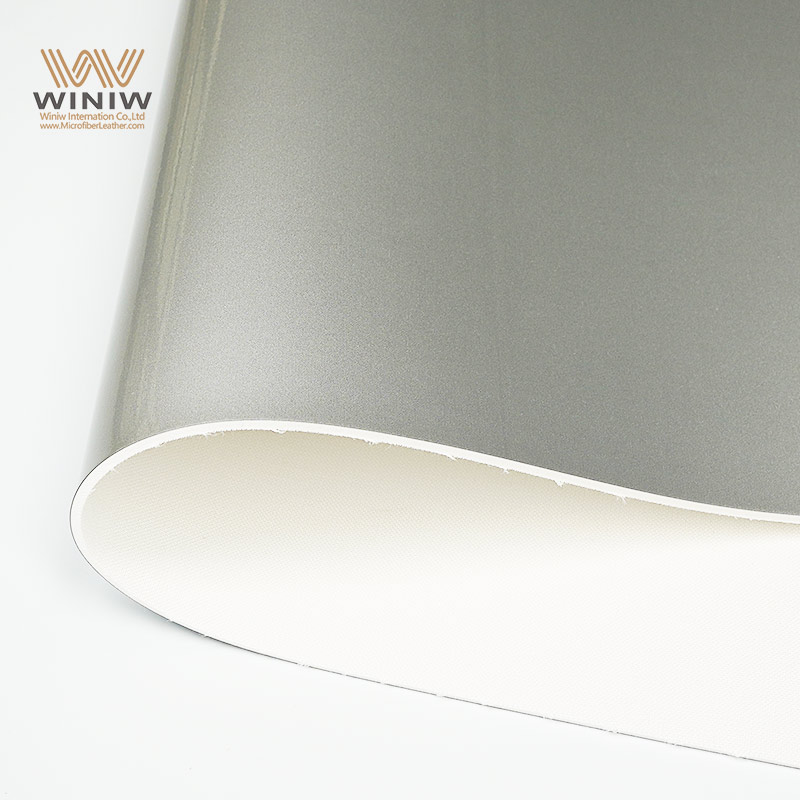
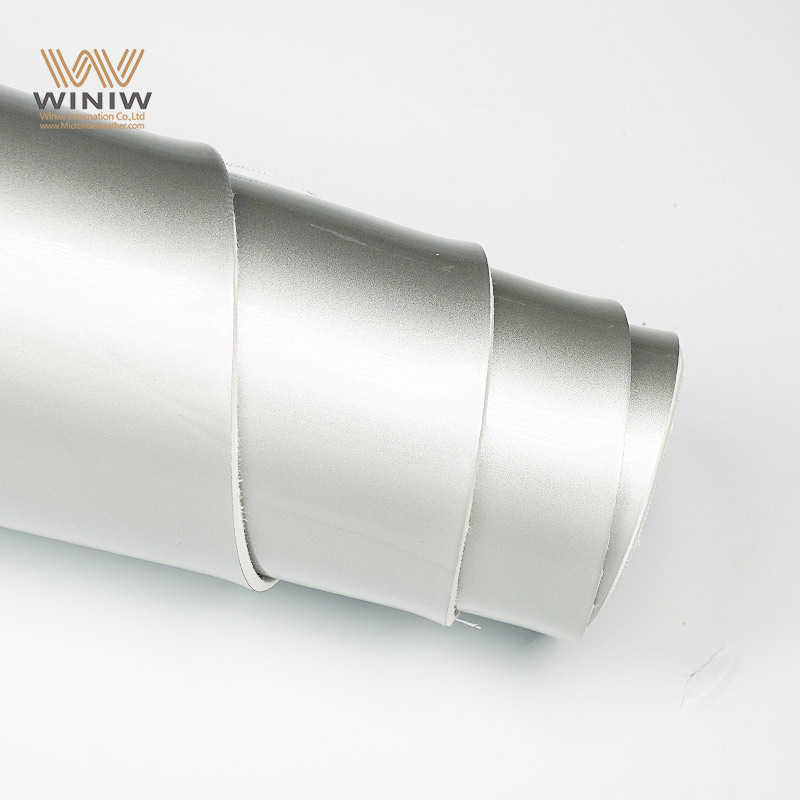
I choose PU soccer balls because they offer a soft touch, high durability, and consistent performance. The material resists abrasion and keeps its shape, even after tough drills. Players get reliable feedback with every kick.
I always check for the "FIFA Quality" or "FIFA Quality Pro" mark on the ball. This certification means the ball meets strict standards for weight, shape, and performance. I trust these marks for official matches.
I use PU soccer balls on grass, turf, and even indoor courts. The material holds up well on most surfaces. I avoid rough concrete to prevent scuffing and extend the ball’s life.
I clean my ball after every session. I wipe off dirt with a damp cloth and let it air dry. Regular cleaning keeps the PU surface in top condition and helps the ball last longer.
I pick size 3 for young children, size 4 for youth players, and size 5 for adults. The right size helps players develop skills and control. I always match the ball size to the player’s age and level.
Business Phone : +8618150976625
E-mail : Hello@MicrofiberLeather.com
Mobile & WhatsApp : +8618150976625
Address : W6-302 Shimao Manhadun Shuanglong Road, Jinjiang Quanzhou Fujian China



© Copyright 2022 Winiw International Co.,Ltd.All Rights Reserved.
XML | Privacy Policy |