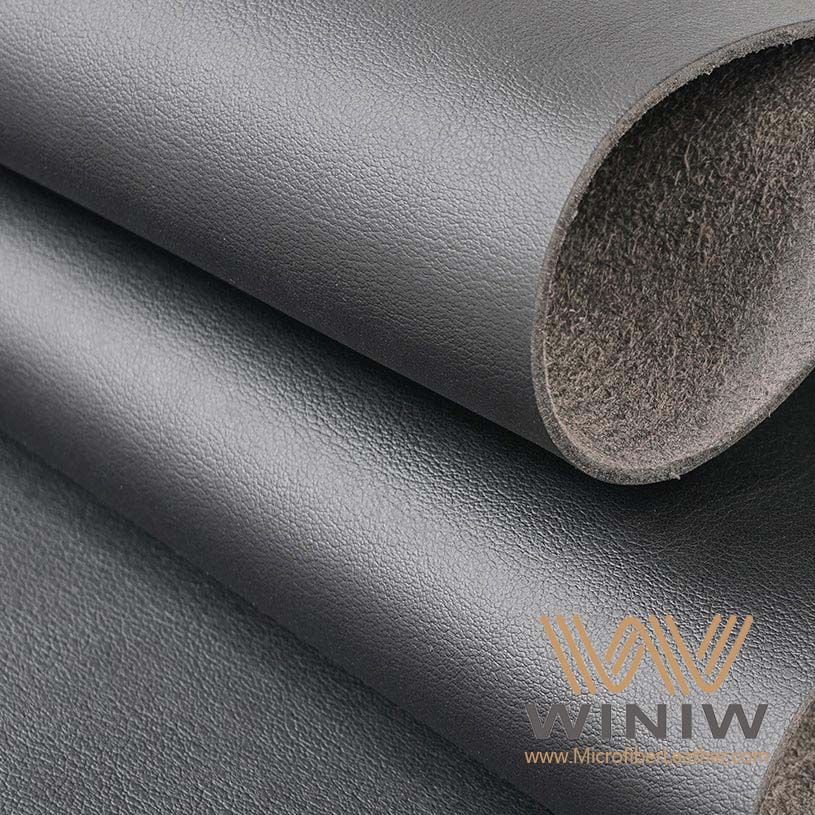
Upholstery Leather
Pu Leather
  • Nubuck PU Leather Comfort and Durability in Shoes
    Nubuck PU Leather Comfort and Durability in Shoes
    I find that nubuck often delivers superior comfort for most footwear due to its soft leather surface and breathable quality. When I examine durability, PU leather stands out for resisting stains and water, but nubuck maintains a natural feel and develops unique character over time. The quality of leather plays a crucial role in how shoes perform each day. Nubuck PU options combine some advantages, but I always assess the specific quality of each material to match my needs. I value comfort, durability, and the overall quality that leather brings to footwear choices. Key Takeaways Nubuck leather offers superior comfort due to its soft texture and breathability, making it ideal for everyday wear. PU leather is highly resistant to water and stains, making it a practical choice for those needing low-maintenance footwear. Nubuck PU combines the best of both worlds, providing comfort and durability for casual and light activities. Regular care is essential for nubuck shoes to maintain their appearance and longevity; use a brush and protective spray. Choose nubuck for style and breathability, while PU leather suits those who prioritize easy cleaning and sleek looks. Consider your lifestyle and climate when selecting shoe materials; nubuck excels in dry conditions, while PU leather is better for wet environments. Both nubuck and PU leather have unique features; understanding these helps in making informed footwear choices. For vegan options, PU leather is a great choice as it does not use animal products, appealing to eco-conscious consumers. Nubuck PU: Quick Verdict Comfort Overview I have worn shoes made from nubuck pu, nubuck, and pu leather in many settings. Nubuck pu combines the soft touch of nubuck with the practical benefits of pu leather. When I slip on nubuck shoes, I notice the plush feel and breathability. My feet stay cool and comfortable, even after hours of walking. Nubuck feels gentle against my skin, and the natural leather surface adapts to my foot shape over time. Pu leather offers a different experience. I find that pu leather shoes feel smooth and flexible, but they do not breathe as well as nubuck. My feet sometimes feel warmer in pu leather, especially during summer. Nubuck pu strikes a balance. The surface feels soft, and the inner lining often uses pu leather for added structure. I recommend nubuck pu for people who want comfort without sacrificing style. The combination works well for casual wear and light activity. Tip: If you value breathability and a natural feel, choose nubuck. If you prefer easy maintenance and a sleek look, pu leather may suit you better. Durability Overview Durability matters to me when I select shoes for daily use. Nubuck pu offers moderate durability. Nubuck resists abrasion and develops a unique patina, but it needs regular care to maintain its appearance. I clean nubuck shoes with a brush and use a protector spray to guard against stains. Pu leather stands out for its resistance to water and stains. I wipe pu leather shoes clean with a damp cloth, and they rarely show signs of wear. Nubuck pu combines these strengths. The outer nubuck layer provides a premium look, while the pu leather backing adds toughness. I notice that nubuck pu shoes last longer than pure nubuck in wet conditions. However, pure pu leather shoes often outlast nubuck in harsh environments. I recommend nubuck pu for people who want a balance between style and durability. Material Comfort Level Durability Maintenance Best For Nubuck High Moderate Regular Style, Breathability PU Leather Moderate High Easy Wet, Active Use Nubuck PU High High Moderate Versatile, Everyday Best Use Cases I match shoe materials to my lifestyle. Nubuck pu works best for people who want shoes that look stylish and feel comfortable. I wear nubuck pu shoes to the office, on casual outings, and for light walking. Nubuck suits dress shoes and boots, where appearance and comfort matter most. Pu leather fits athletic shoes, rain boots, and work shoes, where durability and easy cleaning are priorities. Nubuck pu: Everyday wear, office, casual events Nubuck: Dress shoes, boots, fashion-forward looks Pu leather: Sports, outdoor activities, wet climates Note: Nubuck pu offers a smart compromise. I choose it when I want shoes that perform well in different settings and last through regular use. I always consider my needs before buying shoes. Nubuck pu gives me comfort and durability, making it a reliable choice for most occasions. Nubuck Leather: Features & Benefits   What Is Nubuck Leather I recognize nubuck leather as a premium material in footwear. Manufacturers create nubuck by sanding or buffing the outer layer of cowhide. This process gives nubuck a soft, velvety texture that feels luxurious. Unlike suede, which comes from the inner split of the hide, nubuck uses the top grain. This distinction makes nubuck stronger and more durable than suede. The key features of nubuck leather include its unique texture and enhanced resistance to wear. I often choose nubuck for shoes that need both style and longevity. Comfort Qualities Breathability I value breathability in my shoes. Nubuck excels in this area. The natural pores in the leather allow air to circulate, keeping my feet cool. I notice that my feet stay dry even during long walks. Nubuck leather often includes a waterproof and breathable lining, such as Gore-Tex, which adds another layer of protection against moisture. This combination of breathability and water resistance makes nubuck ideal for everyday wear. Flexibility Nubuck offers impressive flexibility. The leather adapts to the shape of my foot over time. I experience a personalized fit that enhances comfort. Footwear specialists highlight several comfort features in nubuck shoes: Lightweight design for ease of movement. Soft full grain waxed nubuck leather uppers that resist scuffs and abrasion. 100% waterproof and breathable Gore-Tex lining for protection against moisture. Comfort Fit last providing ample room in the toe area while securing the heel for stability. Fleece-covered cork insoles that mold to the wearer's feet for personalized comfort. Meindl Multigrip outsole that cushions and protects during use. I find that these features work together to deliver a comfortable experience throughout the day. Durability Qualities Water Resistance Nubuck provides reliable water resistance. The top grain leather, combined with waterproof linings, keeps my feet dry in wet conditions. I apply a protector spray to enhance the water resistance of my nubuck shoes. This step helps maintain the leather's quality and appearance. Abrasion Resistance I rely on nubuck for its resistance to abrasion. The outer layer of the leather resists scuffs and scratches better than suede. My nubuck shoes retain their look even after months of regular use. The durability of nubuck leather makes it a smart choice for boots and outdoor footwear. Longevity Nubuck stands out for its longevity. The leather ages gracefully, developing a unique patina over time. I appreciate how nubuck maintains its structure and resistance to wear. Proper care extends the lifespan of nubuck shoes. I brush the leather regularly and use specialized products to protect it from stains and moisture. Quality Nubuck Leather Performance Water Resistance High Abrasion Resistance High Longevity Excellent Tip: I always recommend nubuck for those who want shoes that combine comfort, style, and lasting durability. PU Leather: Features & Benefits What Is PU Leather I often see pu leather, also known as polyurethane leather, used in modern footwear. Manufacturers create it by coating a fabric base, usually polyester, with a layer of polyurethane. This process gives the material a leather-like appearance and feel. Unlike genuine leather or suede leather, pu leather does not come from animal hides. Instead, it offers a synthetic alternative that appeals to people seeking vegan or eco-friendly options. I notice that polyurethane leather stands out for its versatility and ability to mimic the look of both traditional leather and key features of suede leather. Feature PU Leather PVC Leather Breathability High Low Softness Soft and flexible Stiff Environmental Impact More environmentally friendly Contains harmful plasticizers Cost Higher than PVC Lower cost Durability Durable but shorter lifespan than genuine leather Prone to cracking over time This table highlights how pu leather compares to other synthetic materials. I prefer pu leather for its breathability and soft texture, which make it more comfortable for daily wear. Comfort Qualities Breathability When I wear shoes made from pu leather, I notice that my feet stay cooler than in many other synthetic shoes. The material allows air to circulate, which reduces sweat and discomfort. I find this especially helpful during long days or in warmer climates. Polyurethane leather often outperforms PVC and some other synthetics in this area. While it does not match the breathability of high-quality suede leather, it still provides a comfortable experience for most activities. Softness Softness remains one of the main reasons I choose pu leather shoes. The flexible surface adapts to my foot shape, offering a gentle feel from the first wear. I appreciate that polyurethane leather does not require a long break-in period. The texture feels smooth, and it closely resembles the comfort found in suede leather footwear. For people who want shoes that feel good right away, pu leather delivers a pleasant option. Durability Qualities Stain Resistance I value the stain resistance of pu leather. The polyurethane coating repels water and most spills, making it easy to keep shoes looking clean. I simply wipe the surface with a damp cloth, and most marks disappear. This feature makes pu leather ideal for people who want low-maintenance footwear. Compared to suede leather, which stains easily, pu leather offers a clear advantage in messy or wet environments. Maintenance Maintaining pu leather shoes takes little effort. I do not need special brushes or sprays like I would for suede leather. Regular cleaning with a soft cloth keeps the surface fresh. I avoid harsh chemicals, as they can damage the polyurethane layer. For busy people or those who dislike complicated care routines, pu leather simplifies shoe upkeep. Lifespan Based on manufacturer data, vegan leather shoes made from pu leather last about 14 to 18 months with daily use. Material Average Lifespan (Daily Use) Vegan Leather (PU) 14–18 months While this lifespan falls short of genuine leather, it matches the expectations for most synthetic shoes. I always weigh the pros and cons of pu leather before choosing it for heavy-duty use. One of the main pu leather cons is its shorter lifespan compared to traditional leather. However, for fashion-forward styles or shoes that see moderate wear, pu leather remains a practical and stylish choice. Tip: If you want shoes that balance comfort, easy care, and modern style, consider pu leather. It works well for sports shoes, casual sneakers, and even some dress shoes. I recognize that the pros and cons of pu leather depend on your needs. For those who prioritize eco-friendliness, stain resistance, and a soft feel, pu leather stands out as a strong contender among synthetic and suede leather options. Pros and Cons of Nubuck Leather Nubuck Leather Pros I have worn many types of shoes, but nubuck stands out for several reasons. When I compare nubuck leather to other materials, I notice a unique blend of comfort, durability, and style. Here are the main advantages I have experienced: Nubuck offers a soft, velvety surface that feels luxurious. The texture feels smoother than suede, which gives my shoes a refined look. I find that nubuck leather provides excellent breathability. My feet stay cool and dry, even during long days. This feature makes nubuck ideal for everyday wear. The top grain construction of nubuck gives it more strength than suede. I have seen my nubuck shoes resist scuffs and abrasions better than most suede footwear. Nubuck develops a beautiful patina over time. I appreciate how the leather ages and gains character with each wear. I can pair nubuck shoes with both casual and dress outfits. The versatility of this material allows me to use one pair for many occasions. Tip: I always recommend nubuck for those who want shoes that combine comfort, breathability, and a premium appearance. Nubuck Leather Cons While I enjoy the benefits of nubuck, I also recognize some drawbacks. Understanding the pros and cons of nubuck leather helps me make informed decisions before buying new shoes. Here are the main disadvantages I have noticed: Nubuck requires regular maintenance. I must brush the surface and apply protective sprays to keep the leather looking its best. Neglecting care can lead to stains and water damage. The material absorbs moisture more easily than some other types of leather. I avoid wearing nubuck shoes in heavy rain or muddy conditions. Stains can be difficult to remove from nubuck. I have learned that spills and dirt show up quickly, especially on lighter colors. Nubuck costs more than many synthetic options. The premium quality comes with a higher price tag, which may not fit every budget. When I compare nubuck to suede, I find that both materials require careful handling. However, the pros and cons of suede leather differ slightly. Suede feels softer but lacks the durability of nubuck. I always weigh these factors before choosing nubuck for my footwear. The unique qualities of nubuck leather make it a top choice for style and comfort, but I stay prepared for the extra care it demands.   Nubuck vs Suede: Key Differences Texture & Appearance When I compare nubuck vs suede, I notice clear differences in texture and appearance. Nubuck features a fine, velvety surface created by sanding the outer layer of cowhide. Suede leather, on the other hand, comes from the inner split of the hide, resulting in a softer and fuzzier texture. I often find that nubuck looks more refined and uniform, while suede displays a looser nap and a slightly shaggier look. I enjoy the way nubuck develops a subtle patina over time. Suede leather tends to show wear more quickly, especially in high-contact areas. The color of nubuck usually appears richer and deeper, while suede offers a lighter, more casual vibe. When I select shoes for formal occasions, I lean toward nubuck for its elegant finish. For casual shoes, suede leather provides a relaxed and approachable style. Here is a quick comparison table I use when deciding between nubuck vs suede for my footwear: Feature Nubuck Suede Leather Texture Velvety, fine Soft, fuzzy Appearance Uniform, refined Shaggy, casual Patina Develops over time Shows wear quickly Color Depth Rich, deep Lighter, varied Tip: I always inspect the nap and color before choosing between nubuck vs suede. The right choice depends on the look I want and how I plan to wear the shoes. Comfort & Durability Comfort plays a major role in my decision between nubuck vs suede. Nubuck feels smooth against my skin and adapts to my foot shape with wear. Suede leather offers a plush, cushioned feel, which I appreciate during long walks. Both materials provide flexibility, but I notice that suede leather feels softer out of the box. Durability sets nubuck apart in the nubuck vs suede debate. I often ask myself, is nubuck more durable than suede? In my experience, the answer is yes. Nubuck resists scuffs and abrasions better than suede leather. I find that my nubuck shoes last longer, especially when exposed to rough surfaces or frequent use. Suede leather, while comfortable, tends to wear down faster and absorbs moisture more easily. When I need shoes for outdoor activities or heavy use, I choose nubuck for its resilience. Suede leather works well for indoor or light casual wear. I always treat both materials with protective sprays to extend their lifespan, but nubuck requires less frequent touch-ups. Here are the main points I consider when comparing comfort and durability: Nubuck adapts to my foot shape and remains comfortable over time. Suede leather feels soft and plush, ideal for relaxed settings. Nubuck resists abrasion and maintains its structure longer. Suede shows signs of wear and moisture damage more quickly. Note: I recommend nubuck for those who need shoes that balance comfort and durability. Suede leather suits anyone seeking a softer feel and casual style. Nubuck PU: Side-by-Side Comparison Comfort Comparison Breathability I always pay close attention to breathability when I select shoes. Nubuck stands out for its natural ability to let air flow through the material. My feet stay cool and dry, even after hours of walking. Nubuck leather contains tiny pores that help with ventilation. I notice a big difference in comfort during hot weather. When I wear shoes made from nubuck, I rarely experience sweaty feet. Pu leather offers a different experience. The synthetic structure limits airflow. My feet feel warmer in pu leather shoes, especially during summer. Manufacturers sometimes add mesh linings to improve breathability, but the effect does not match the performance of nubuck leather. I recommend nubuck for anyone who values cool, comfortable feet throughout the day. Tip: Choose nubuck for maximum breathability. Opt for pu leather if you prioritize easy cleaning over airflow. Fit Fit plays a major role in my comfort. Nubuck adapts to the shape of my foot over time. The leather stretches slightly and creates a personalized fit. I enjoy the way nubuck leather molds to my foot, providing support and flexibility. This feature makes nubuck ideal for people with unique foot shapes or those who need extra comfort. Pu leather feels soft and flexible from the start. The material does not stretch or mold as much as nubuck. I find that pu leather shoes maintain their original shape longer. This quality works well for people who want a consistent fit and do not need the shoe to adapt over time. Here is a quick comparison table I use when deciding between nubuck and pu leather for comfort: Feature Nubuck PU Leather Breathability Excellent Moderate Fit Personalized Consistent Flexibility High Moderate Note: Nubuck leather offers a custom fit and superior breathability. Pu leather provides a reliable fit and easy maintenance. Durability Comparison Wear Resistance Durability matters to me when I invest in shoes. Nubuck resists abrasion and scuffs better than many other materials. I have worn nubuck shoes on rough surfaces, and they maintain their appearance for months. Nubuck leather develops a patina, which hides minor scratches and adds character. Pu leather excels in wear resistance. The polyurethane coating protects the shoe from scratches and daily wear. I notice that pu leather shoes look new longer, even with frequent use. The synthetic layer prevents deep marks and keeps the surface smooth. Tip: For heavy use or outdoor activities, pu leather offers superior wear resistance. Nubuck works best for style-focused shoes that still need durability. Water & Stain Resistance Water and stain resistance influence my choice of footwear. Nubuck absorbs moisture quickly. I avoid wearing nubuck shoes in heavy rain. I use protector sprays to improve water resistance, but the material still requires careful handling. Stains can be difficult to remove from nubuck leather, especially on lighter colors. Pu leather stands out for its water and stain resistance. The polyurethane layer repels liquids and prevents stains from setting. I clean pu leather shoes with a damp cloth, and most marks disappear easily. This feature makes pu leather ideal for wet climates or messy environments. Feature Nubuck PU Leather Water Resistance Low-Moderate High Stain Resistance Low High Maintenance Effort High Low Note: I recommend pu leather for anyone who needs shoes that resist water and stains. Nubuck suits dry conditions and style-conscious wearers. Maintenance Maintenance affects how often I wear certain shoes. Nubuck requires regular care. I brush the surface and apply protective sprays to keep the leather looking fresh. Neglecting maintenance leads to stains and water damage. I spend extra time caring for nubuck leather, but the results pay off in appearance and comfort. Pu leather simplifies shoe care. I wipe the surface clean with a cloth. The material does not need special products or frequent attention. I choose pu leather shoes when I want low-maintenance footwear that still looks stylish. Tip: Nubuck demands more care but rewards with lasting beauty. Pu leather offers convenience and easy upkeep. Choosing the Right Material Shoe Types Casual I often select casual shoes for daily wear. Nubuck appeals to me because of its soft feel and stylish appearance. The smooth surface enhances breathability and comfort. I find nubuck ideal for loafers and slip-ons. PU leather also fits well in casual shoes. Brands use PU leather in sneakers and everyday footwear. The material offers flexibility and water resistance. I appreciate the affordability of PU leather when I need shoes for errands or relaxed outings. Nubuck casual shoes: loafers, slip-ons, fashion sneakers PU leather casual shoes: sneakers, slip-ons, sandals Dress Dress shoes require a refined look. Nubuck provides a luxurious texture and a uniform finish. I choose nubuck for oxfords and brogues when I want elegance. The material adapts to my foot, offering comfort during long events. PU leather also appears in dress shoes. Manufacturers use it for its sleek appearance and easy maintenance. I recommend PU leather for formal occasions in wet climates. Shoe Type Nubuck Features PU Leather Features Dress Soft, elegant, breathable Sleek, water-resistant, easy-care Athletic Athletic shoes demand durability and flexibility. PU leather dominates this category. I see PU leather in running shoes and trainers. The material resists water and stains, which helps during outdoor activities. Nubuck appears in some athletic shoes, especially those designed for style and comfort. I prefer PU leather for sports because it withstands frequent movement. Tip: For athletic shoes, PU leather offers better performance in wet and active environments. Boots Boots require strength and longevity. Nubuck stands out for its abrasion resistance and ability to develop a unique patina. I wear nubuck boots for hiking and casual outings. PU leather boots provide water resistance and easy cleaning. I choose PU leather boots for rainy days or work settings. Nubuck boots: hiking, casual, fashion PU leather boots: rain, work, utility Lifestyle Factors Climate Climate influences my choice of shoe material. In dry climates, nubuck keeps my feet cool and comfortable. The breathability suits warm weather. In wet climates, PU leather protects against moisture. I rely on PU leather shoes during rainy seasons. Activity Level My activity level shapes my footwear decisions. For high activity, I select PU leather shoes. The material resists wear and cleans easily. For moderate activity or style-focused outings, I prefer nubuck. The comfort and adaptability of nubuck enhance my experience. Budget Budget plays a significant role. Nubuck costs more due to its premium quality. I invest in nubuck shoes for special occasions. PU leather offers affordability and versatility. I buy PU leather shoes when I need multiple pairs for different activities. Note: When I consider how to choose between nubuck and suede leather, I look at shoe type, climate, activity, and budget. I also pay attention to how to distinguish nubuck leather from suede leather by checking the texture and finish. Care Tips for Nubuck & PU Leather Nubuck Leather Care I always pay close attention to the cleaning and maintenance tips for nubuck and suede leather. Nubuck requires a gentle approach. I use a soft brush to remove dust and dirt from the surface. I avoid water whenever possible because moisture can stain nubuck. Sprays designed for nubuck offer convenient protection, but I reapply them frequently to maintain effectiveness. Shoe care experts recommend Saphir Medaille d’Or Super Invulner for high-end nubuck. This product protects the leather without changing its appearance. I never use waxes or creams on nubuck because they can darken the material or leave residue. Here is my routine for nubuck care: Brush shoes gently before and after each wear. Apply a protective spray every few weeks. Store shoes in a cool, dry place away from direct sunlight. Use shoe trees to help maintain shape. Tip: If you wonder, can you waterproof nubuck or suede, use a specialized spray. Avoid heavy-duty waxes or creams. PU Leather Care I find pu leather much easier to maintain. The synthetic surface resists stains and water, so I clean it with a damp cloth. I avoid harsh chemicals because they can damage the polyurethane layer. For deeper cleaning, I use mild soap and water. I dry pu leather shoes at room temperature and keep them away from heat sources. Regular maintenance keeps pu leather looking new and prevents cracking. My pu leather care routine includes: Wipe shoes with a soft cloth after each use. Spot clean with mild soap if needed. Store shoes in a ventilated area. Avoid prolonged exposure to sunlight. Care Step Nubuck Leather PU Leather Cleaning Brush, avoid water Wipe, mild soap Protection Spray (reapply often) None needed Maintenance Frequent Minimal Note: Consistent maintenance extends the life of both nubuck and pu leather shoes. Common Mistakes I see many people make mistakes with shoe care. Using the wrong products can ruin nubuck. Waxes and creams may seem helpful, but they damage the texture. Skipping regular maintenance leads to stains and water damage. For pu leather, some use strong cleaners that cause cracking. Ignoring cleaning after exposure to dirt or moisture shortens the lifespan of both materials. Common mistakes to avoid: Using waxes or creams on nubuck. Forgetting to reapply protective spray. Cleaning pu leather with harsh chemicals. Storing shoes in damp or hot environments. Neglecting regular maintenance. 🛑 Always check product labels before applying anything to your shoes. Proper care preserves comfort and durability. Environmental & Ethical Factors Sustainability When I consider shoe materials, I always look at their impact on the environment. Nubuck leather comes from animal hides, which means the production process uses significant resources. Raising livestock requires land, water, and energy. Tanning and finishing leather can also introduce chemicals into the environment. I see that some brands now use more eco-friendly tanning methods, but traditional leather production still leaves a large footprint. PU leather offers a different approach. Manufacturers create it from synthetic materials, mainly polyurethane and polyester. This process uses less water and does not rely on livestock. However, I know that producing plastics involves fossil fuels and can generate waste. Some companies now recycle materials or use water-based coatings to reduce harm. When I compare the two, I find that neither material is perfect. I always check for brands that share their efforts toward sustainability, such as using recycled content or reducing emissions. Tip: Look for certifications or brand transparency about sourcing and production methods to make a more sustainable choice. Animal Welfare Animal welfare plays a big role in my decision-making. Nubuck leather comes directly from animal hides, so it raises concerns about animal treatment and ethical sourcing. I prefer to support brands that follow strict animal welfare standards. Some companies use byproducts from the meat industry, but others may not disclose their sources. PU leather stands out as a cruelty-free alternative. Since it does not use animal products, it avoids the ethical issues linked to animal farming. I often see people ask about the differences between plant-based and animal-based leathers. The table below summarizes the main ethical aspects: Aspect Plant Leather Animal Leather Vegan & Cruelty-Free ✅ Yes ❌ No Uses Animal Products ❌ No ✅ Yes Ethical Concerns None Raises animal welfare issues I use this comparison to guide my choices, especially when I want to avoid animal-derived materials. Vegan Options I notice a growing demand for vegan shoes. PU leather fits this need because it does not contain animal products. Some brands also offer plant-based leathers made from materials like pineapple leaves or mushrooms. These options appeal to people who want to avoid animal products and reduce their environmental impact. When I shop for vegan shoes, I always check the label and product description. I have learned how to tell if it is vegan leather by looking for clear statements from the manufacturer. Many brands now highlight vegan certifications or use symbols to show their products are animal-free. Note: Vegan options offer a way to align footwear choices with personal ethics and environmental values.   I find that nubuck delivers superior comfort and durability for most shoe styles. Suede offers a softer feel and casual look, but it requires more care and shows wear quickly. I recommend nubuck for those who value longevity and breathability. Suede suits anyone seeking a relaxed style for light use. I always consider climate, activity level, and budget before choosing. My experience shows that matching shoe material to lifestyle ensures satisfaction and lasting value. Nubuck: best for durability and comfort Suede: ideal for casual, stylish occasions FAQ What is the main difference between nubuck and PU leather? I notice that nubuck comes from real animal hide, while PU leather uses synthetic materials. Nubuck feels softer and breathes better. PU leather resists water and stains more effectively. Can I wear nubuck shoes in the rain? I avoid wearing nubuck shoes in heavy rain. The material absorbs moisture quickly. I always use a waterproof spray for extra protection, but PU leather works better for wet conditions. How do I clean nubuck shoes? I use a soft brush to remove dirt. I never use water or harsh chemicals. I apply a nubuck-specific spray for protection. Regular brushing keeps the shoes looking fresh. Are PU leather shoes vegan? Yes, PU leather shoes do not contain animal products. I choose PU leather when I want a vegan option. Some brands also offer plant-based alternatives for eco-conscious buyers. Which material lasts longer: nubuck or PU leather? I find that nubuck lasts longer with proper care. PU leather resists stains and water but may crack over time. Nubuck develops a patina and maintains its structure if I maintain it regularly. Do nubuck shoes require more maintenance than PU leather? Yes, nubuck shoes need frequent brushing and protective sprays. PU leather requires less effort. I wipe PU leather shoes with a damp cloth and avoid strong cleaners. Can I use the same care products for nubuck and suede? I use similar brushes for both materials. I always check product labels before applying sprays. Some products work for both, but I avoid waxes and creams on nubuck.
  • Which PU Leather Sofa Is Right for Your Modern Home
    Which PU Leather Sofa Is Right for Your Modern Home
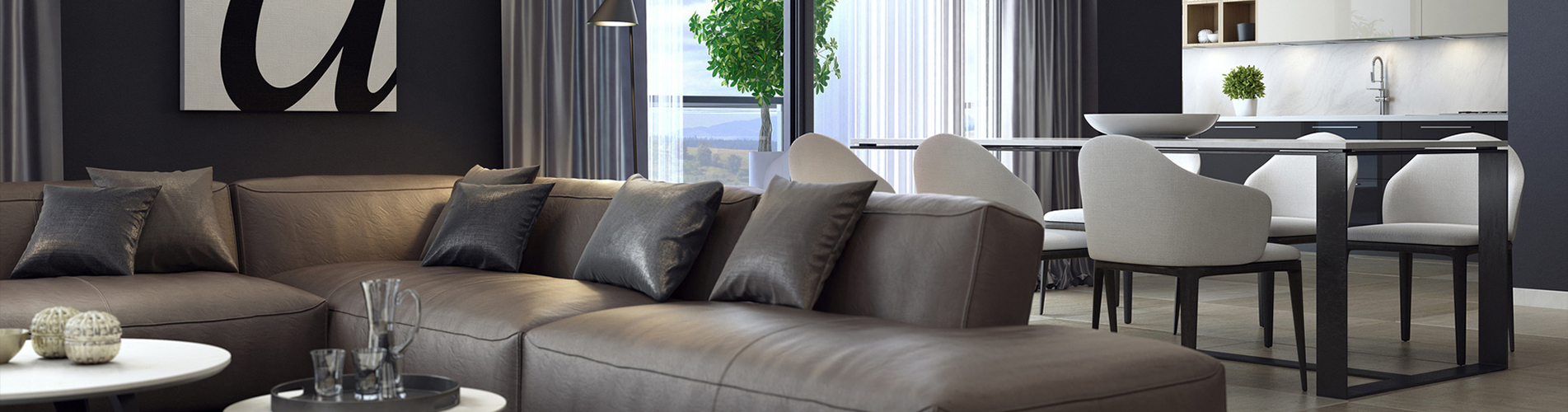
    I often walk into a room and notice how a sofa can completely transform the atmosphere. When I updated my own modern home, the right sofa made all the difference. I always recommend PU Leather Furniture for anyone who values style and easy maintenance. I focus on design because a sofa needs to fit the overall vision. I compare different design options and consider how each sofa will support daily life. The design of a sofa should reflect personal taste, but also offer comfort. I study each sofa's design lines, color, and texture. I believe a well-chosen sofa anchors the design of any room. With so many sofa choices, I rely on design principles to make the best decision. I evaluate the design, the feel, and the function of every sofa before I select one. Key Takeaways Measure your living space before shopping to ensure the sofa fits perfectly. Choose PU leather for its stylish look, easy maintenance, and affordability. Consider comfort features like high-density foam and ergonomic design for lasting support. Evaluate durability by selecting high-quality PU leather that withstands daily use. Explore various colors and styles to find a sofa that complements your modern decor. PU Leather Furniture for Modern Homes What Is PU Leather When I first explored options for a modern sofa, I discovered that PU leather furniture stands out for its versatility and appeal. PU leather, also known as synthetic leather, is a man-made material that mimics the look and feel of genuine leather. I appreciate how manufacturers create it by coating a fabric base with a layer of polyurethane, which gives it a luxurious texture and a stylish finish. The high-quality faux leather used in many modern sofas offers impressive durability and flexibility. For example, it can withstand over 10,000 bends without cracking. I often see a wide range of customization options, from different textures to a variety of colors, making it easy to find a faux leather sofa that fits any modern living space. Characteristic Description High Durability and Flexibility PU leather offers excellent wear resistance and can withstand over 10,000 bends without cracking. Customization Options Available in various textures, thicknesses, and colors, allowing for tailored designs. Water Resistance Naturally resists water and withstands contact with liquids, making it easy to maintain. Cost Advantage More affordable than genuine leather and some vegan leathers, ensuring profitability for manufacturers. Why Choose PU Leather I always recommend PU leather furniture for modern homes because it combines style, comfort, and affordability. The stylish design of a faux leather sofa instantly elevates any room, giving it a luxurious and timeless feel. I notice that high-quality faux leather is easy to clean, which is essential for busy households. Many modern sofas, such as the Vesgantti 100" faux leather sofa, support significant weight and offer lasting comfort. The luxurious texture of synthetic leather adds a sophisticated touch, while the cost advantage makes it accessible for most budgets. Stylish designs enhance modern decor High-quality faux leather surfaces are easy to maintain Durable construction supports daily use Luxurious texture and timeless design create a welcoming atmosphere Common Myths Some people believe that PU leather furniture lacks the luxurious appeal of genuine leather. In my experience, modern faux leather sofas offer a stylish and upscale look that rivals traditional options. Another myth suggests that synthetic leather is hard to maintain, but I find that high-quality faux leather cleans up quickly with a damp cloth. Many assume that faux leather sofa options are less durable, but I have seen modern designs last for years with proper care. I trust PU leather furniture to deliver both style and function in my own home. Choosing the Right Modern Sofa or Couch Size and Space When I select a modern sofa, I always start by measuring the room. A modern sofa should fit the space without crowding it. I look for a spacious seating solution if I have a large living area. For smaller rooms, I choose a compact modern sofa that still offers comfortable seating. I consider how many people will use the seating daily. I want everyone to have comfortable seating, so I check the dimensions and layout. Here is a table I use to compare important factors: Factor Description Size and Space Requirements Evaluate dimensions to ensure the sofa fits the room and accommodates seating needs. Material and Durability Choose high-quality faux leather for style and easy maintenance; check for solid wood frames. Comfort and Support Look for high-density foam cushioning and ergonomic designs for proper posture and comfort. Design and Aesthetics Select sofas with clean lines and trendy materials that complement home décor. Assembly and Maintenance Opt for easy-to-assemble models with removable covers for hassle-free cleaning and setup. Comfort and Support I always test the comfort level before I buy a modern sofa. I want comfortable seating for everyone. High-density sponge cushions provide lasting comfort and ultimate comfort. I prefer modern sofa designs with generous depth, which help tall people relax. Ergonomic features support my back and posture. I make sure the modern sofa offers comfortable seating for long periods. Here is what I look for: High-density foam for comfortable seating Ergonomic design for lasting comfort Generous depth for a comfortable seating experience Durability and Maintenance Durability matters to me, especially in a modern home with kids or pets. I choose a modern sofa made from high-quality PU leather. This material is easy to clean and maintain. I know that PU leather sofas usually last 2 to 5 years. I avoid placing the modern sofa in direct sunlight to prevent peeling or cracking. I always check for a solid wood frame to ensure the modern sofa stays sturdy. Regular cleaning keeps my modern sofa looking new. Style and Color Options I want my modern sofa to match my home’s design. I select a modern sofa with clean lines and a stylish seating solution. I explore different colors to find the perfect match for my décor. Modern sofa options come in many shades, from classic black to bold colors. I sometimes choose a modern sofa with special features, like a recliner or sleeper, for extra comfortable seating. I always look for a modern sofa that blends style, comfort, and function. PU Leather vs Other Sofa Materials PU Leather vs Genuine Leather When I compare a modern PU leather sofa to one made from genuine leather, I notice several important differences. Genuine leather has a higher initial cost, but it offers better long-term value because of its durability and lower replacement frequency. PU leather is more affordable upfront, which makes it attractive for a modern living room, but it often requires more frequent replacements. Maintenance for genuine leather is straightforward and helps extend its lifespan, while PU leather maintenance is less effective as the material deteriorates over time. Genuine leather: Higher price, longer lifespan, straightforward care. PU leather: Lower price, shorter lifespan, more frequent replacement. I also consider environmental impact when I select a sofa for a modern space. Genuine leather is biodegradable and comes from renewable sources, while PU leather is not biodegradable and can shed microplastics. Here is a quick comparison: Material Environmental Impact Sustainability Features PU Leather Not biodegradable, sheds microplastics Short-term product, long-term consequences Genuine Leather Biodegradable, durable, natural byproduct Renewable, maximizes resource efficiency PU Leather vs Fabric In my experience, a modern PU leather sofa adjusts to body temperature quickly and keeps a smooth surface, while fabric sofas can develop permanent impressions. PU leather resists tears and punctures, making it a practical choice for a modern family room. Fabric sofas feel more breathable, but they may wear out faster and require more cleaning. I find PU leather easier to maintain, as I can wipe it clean with a moist cloth. Aspect PU Leather Fabric Sofa Temperature Adjusts quickly Starts at room temperature Surface Texture Stays smooth Can develop impressions Comfort May feel sticky in humidity More breathable Durability Resists tears, lasts decades May wear out faster Maintenance Easy to clean More extensive cleaning needed Pros and Cons When I help clients choose a modern sofa, I always weigh the pros and cons of each material. PU leather offers a uniform appearance and is more affordable, but it lasts only two to five years and can peel. Genuine leather costs more, but it provides a unique texture, breathability, and a longer lifespan. Fabric sofas offer comfort and breathability, but they may not match the durability or easy maintenance of a well-designed PU leather sofa. Feature PU Leather Genuine Leather Cost More affordable Higher price Durability 2-5 years Longer lifespan Comfort Non-breathable Breathable Maintenance Easy to clean Regular care needed Aesthetics Uniform look Unique texture Tip: I always recommend considering your modern lifestyle, design preferences, and maintenance habits before choosing a sofa material. Best PU Leather Couch Picks for Your Home Selecting the right couch for a modern home requires careful consideration of space, lifestyle, and design preferences. I have tested and reviewed many options to help you find a stylish and functional sofa that fits your needs. Below, I share my top picks for every scenario, from compact apartments to large family rooms. Each recommendation balances modular flexibility, comfort, and style, ensuring your home feels both inviting and modern. Top for Small Spaces When I help clients furnish a small modern apartment or studio, I always look for a couch that maximizes seating without overwhelming the room. The Ashvini Faux Leather Square Arm Loveseat stands out as a top choice. This stylish couch features a compact footprint, measuring 31.5 x 65 x 30.7 inches, which fits perfectly in tight spaces. I appreciate the solid wood legs and the 500-lb weight capacity, which provide stability and durability. The design comes in four colors, allowing you to match your modern decor. Some users mention that the back cushions feel thin, but I find the overall comfort suitable for daily use. The one-year limited warranty adds peace of mind for new homeowners. Compact design ideal for apartments and studios Stylish color options to complement any modern home Solid construction with a 500-lb weight capacity Easy to assemble and maintain Best for Families and Pets For families and pet owners, I recommend a modular sectional couch that offers both durability and flexibility. I often choose a modular sectional with stain-resistant PU leather, which makes cleaning up after kids or pets simple. Many modular couches feature removable covers and high-density foam cushions, providing both comfort and easy maintenance. I look for sectionals with deep seats and wide armrests, which create a welcoming environment for movie nights or gatherings. Some modular sectionals include built-in recliners or storage compartments, adding extra functionality to your living space. Model Name Seating Capacity Special Features Price Range Modular Family Sectional 5-7 Removable covers, recliner, storage $900-$1,500 Pet-Friendly Modular Couch 4-6 Stain-resistant, easy-clean $700-$1,200 These modular sectionals adapt to changing needs, making them a smart investment for a growing family. I always prioritize a spacious and stylish sectional that can handle daily wear and tear. Most Stylish Modern Sofa When style takes priority, I select a modern couch with bold lines and premium finishes. I gravitate toward modular designs that allow for creative layouts and a personalized touch. Many modern couches feature tufted backs, sleek metal legs, and a low-profile silhouette. I recommend choosing a modular sectional in a rich color, such as deep green or navy, to make a statement in your home. Some stylish couches include adjustable headrests or chaise lounges, which add both comfort and visual interest. Eye-catching design with modular flexibility Premium PU leather for a luxurious look Customizable layouts to fit any modern home Available in a range of stylish colors A comfortable and stylish couch elevates the entire room, making it the focal point of your modern living area. Best Value Options Budget-conscious shoppers can still enjoy a modern, modular sectional without sacrificing quality. I often recommend modular couches that offer a balance of affordability and durability. Many value options include sturdy frames, easy-to-clean PU leather, and modular pieces that can be rearranged as needed. I look for sectionals that seat three to five people, which work well in most homes. Some models include ottomans or convertible features, providing extra versatility. Model Name Seating Capacity Special Features Price Range Modular Value Sectional 3-5 Convertible, ottoman $500-$900 Budget Modular Couch 2-4 Removable covers $400-$800 These modular sectionals deliver style and comfort at a lower price point, making them ideal for first-time homeowners or anyone updating their modern space on a budget. Luxury Look for Less I believe everyone deserves a touch of luxurious comfort in their home. I recommend modular sectionals that mimic the appearance of high-end designer couches without the hefty price tag. Many modular sectionals feature plush cushions, elegant stitching, and metallic accents. I look for modular couches with deep seats and soft PU leather, which create a cozy yet upscale atmosphere. Some luxury-inspired modular sectionals include chaise lounges or adjustable configurations, offering both style and modular flexibility. Plush modular sectional with deep seating Elegant finishes and metallic details Affordable price for a luxury-inspired design Modular pieces for easy customization A modular sectional with a luxury look transforms your modern home into a sophisticated retreat, proving that style and comfort can go hand in hand. Tip: I always advise measuring your space and considering your daily routine before choosing a modular sectional or couch. The right choice will provide years of enjoyment and enhance the modern appeal of your home. Decision Guide for Modern Homes Quick Buyer Checklist When I help clients choose a modern sofa, I always use a checklist. This method keeps the process simple and organized. Here is my go-to list for selecting the right sofa for a modern home: Measure your living space before shopping. Decide on the ideal sofa size for your room. Choose a style that matches your modern decor. Test the comfort and support of each sofa. Check the durability of the PU leather material. Review maintenance requirements. Compare color options to fit your modern theme. Set a budget and stick to it. Look for extra features like recliners or sleepers. Read reviews from other modern sofa owners. Tip: I always recommend bringing home fabric or leather swatches to see how the sofa will look in your lighting. Matching Lifestyle and Space I believe the best modern sofa fits both your lifestyle and your space. For families, I select a sectional sofa with stain-resistant PU leather. If I live alone or in a small apartment, I prefer a compact modern sofa that does not crowd the room. Pet owners should look for a sofa with easy-to-clean surfaces. I always match the sofa’s color and shape to the rest of my modern furniture. I consider how often I entertain guests and choose a sofa that offers enough seating. My goal is to create a modern living area that feels both stylish and functional. Lifestyle Recommended Sofa Type Key Features Family Modular sectional Stain-resistant, deep seats Pet Owner Easy-clean modern sofa Durable, scratch-resistant Small Apartment Compact modern loveseat Space-saving, light colors Entertainer Large modern sofa Extra seating, flexible layout Where to Shop I shop for a modern sofa both online and in local stores. Online retailers offer a wide selection of modern designs and often provide detailed reviews. I visit showrooms to test the comfort and see the sofa in person. Many modern furniture stores have knowledgeable staff who can answer questions about sofa materials and care. I compare prices and look for sales or discounts. I always check the return policy before making a final decision. Shopping at trusted retailers ensures I get a quality modern sofa that fits my needs. Note: I suggest signing up for store newsletters to receive alerts on modern sofa sales and exclusive offers.   I reviewed the essential factors for choosing a modern sofa, including size, comfort, durability, and style. I always recommend evaluating your space and lifestyle before selecting a modern sofa. The right modern sofa can elevate your home and reflect your personal taste. I encourage you to explore the recommended modern sofa options and share your experiences with others. Finding the perfect modern sofa transforms your living space and brings lasting comfort. Measure your room for the ideal modern sofa fit. Consider maintenance and durability for a modern lifestyle. Choose a modern sofa that matches your design vision. FAQ What makes a modern sofa different from a traditional one? I notice that a modern sofa features clean lines, minimal ornamentation, and neutral or bold colors. The design focuses on function and comfort. I always see modern sofas fit well in open spaces and complement contemporary decor. How do I maintain a PU leather sofa in a modern home? I wipe the surface with a damp cloth weekly. I avoid harsh chemicals. I keep the sofa away from direct sunlight. This routine keeps my modern sofa looking new and prevents cracks or fading. Is a modern PU leather sofa suitable for homes with pets? I recommend a modern PU leather sofa for pet owners. The material resists scratches and stains. I find it easy to clean pet hair and spills. This makes the sofa a practical choice for busy homes. Can I find a modern sofa in different colors and sizes? I see many modern sofa options in various colors and sizes. I always match the sofa to my room’s palette and dimensions. This flexibility helps me create a cohesive modern living space. How long does a PU leather sofa last in a modern setting? I expect a PU leather sofa to last two to five years with proper care. I always check the frame and stitching. In my experience, a modern sofa with quality construction offers reliable performance for daily use.
  • Top PVC Leather Soccer Balls and Cleats for New Players
    Top PVC Leather Soccer Balls and Cleats for New Players
    New players often seek gear that supports skill development and comfort. The following pvc leather soccer balls and cleats stand out for beginners: Adidas Starlancer Club Ball Nike Pitch Team Ball Vizari Frost Soccer Cleats Diadora Cattura MD Cleats Coaches recommend pvc leather soccer gear for its durability, affordability, and easy care. Matte and textured finishes on balls improve grip, while rubber sole cleats with balanced stud patterns enhance traction and fit. Players experience greater comfort and confidence during practice and matches. Key Takeaways PVC leather soccer balls and cleats offer durability, making them ideal for beginners who practice frequently. Affordable pricing allows new players to invest in quality gear without breaking the bank, ensuring everyone can participate. Comfortable cleats with a good fit reduce the risk of blisters and enhance performance on the field. Regular maintenance, like cleaning and proper storage, extends the lifespan of soccer equipment, keeping it in top shape. Choosing the right size and type of soccer ball based on age helps players develop essential skills effectively. Why PVC Leather Soccer Gear? Durability and Easy Maintenance Players often choose pvc leather soccer gear for its impressive durability. The material resists scuffs and scratches, even during intense matches. Coaches observe that these products withstand frequent use on various surfaces. Maintenance remains simple. A damp cloth removes dirt quickly. Parents appreciate that pvc leather soccer balls retain their shape and texture after repeated kicks. The gear does not require special cleaning products or complicated care routines. Tip: Regularly wipe down soccer gear after practice to extend its lifespan and maintain performance. Affordability for New Players Affordability plays a key role for families and beginners entering the sport. Many brands offer pvc leather soccer equipment at a lower price point compared to genuine leather alternatives. New players can purchase quality gear without straining their budget. The cost savings allow teams to equip multiple athletes with reliable soccer balls and cleats. Retailers frequently provide starter bundles that include both balls and cleats, making the initial investment manageable. Feature PVC Leather Gear Genuine Leather Gear Price Lower Higher Maintenance Easy Moderate Durability High High Comfort and Fit Benefits Comfort and fit matter for every soccer player, especially beginners. PVC leather soccer cleats offer a flexible feel and adapt to different foot shapes. The material provides a soft touch, reducing the risk of blisters during long training sessions. Balanced stud patterns on cleats improve traction and stability. Players report increased confidence when wearing gear that fits well and feels comfortable. Coaches recommend pvc leather soccer cleats for their supportive design and reliable grip. Best PVC Leather Soccer Balls for Beginners Key Features of the Best Soccer Ball Selecting the best soccer ball for beginners requires attention to several important features. Manufacturers design balls with a matte or textured finish to improve grip and control. The correct size and weight help new players develop proper technique. Durability remains essential, especially for those who practice frequently. A quality soccer ball maintains its shape and performance after repeated use. Coaches recommend balls with reinforced stitching and a reliable bladder to prevent air loss. These features ensure consistent play and support skill development. Note: Beginners should choose a training soccer ball that matches their age group and skill level. Proper sizing helps players learn ball control and passing accuracy. Top Picks for PVC Leather Soccer Balls The following list highlights top-rated balls for new players. Each option offers unique benefits for training and match play. Adidas Starlancer Club BallAdidas designed this ball with a durable PVC leather cover and machine-stitched panels. The textured surface provides excellent grip for dribbling and shooting. The ball retains its shape after frequent use, making it ideal for practice sessions. Nike Pitch Team BallNike created this ball for consistent performance on various surfaces. The smooth PVC leather exterior resists scuffs and scratches. The ball features a reinforced rubber bladder for optimal air retention. Players appreciate the vibrant design and reliable bounce. PUMA TeamFINAL 21.6 Training Soccer BallPUMA engineered this training soccer ball for durability and control. The matte finish enhances grip, while the balanced weight supports accurate passing. The ball suits both indoor and outdoor play, offering versatility for beginners. Select Classic Soccer BallSelect produced this ball with a hand-stitched PVC leather cover. The ball provides a soft touch and stable flight. The design includes a double-lock valve to prevent air leaks. Coaches recommend this ball for its consistent performance during drills. Champion Sports Viper Soccer BallChampion Sports developed this ball for affordability and reliability. The machine-stitched panels and textured surface improve grip. The ball withstands rough play and maintains its integrity over time. Pros and Cons of Recommended Balls The following table compares the advantages and disadvantages of each recommended ball. This overview helps new players and parents make informed decisions. Ball Name Pros Cons Adidas Starlancer Club Ball Durable, textured grip, holds shape Limited color options Nike Pitch Team Ball Scuff-resistant, vibrant design, good bounce May feel firm for some beginners PUMA TeamFINAL 21.6 Training Ball Matte finish, versatile, balanced weight Slightly higher price Select Classic Soccer Ball Soft touch, stable flight, air retention May require frequent inflation Champion Sports Viper Ball Affordable, textured surface, reliable Less premium feel Players should consider their training needs and budget when choosing the best soccer ball. Each option supports skill development and offers durability for regular use. Coaches encourage beginners to select a ball that feels comfortable and matches their playing style. Best PVC Leather Soccer Cleats for Beginners Key Features of Beginner Cleats Beginner soccer players benefit from cleats designed for comfort, support, and reliable traction. Manufacturers construct cleats with rubber soles to maximize grip on grass and turf. Balanced stud patterns distribute pressure evenly across the foot, reducing discomfort during long training sessions. The upper material, made from pvc leather soccer, offers flexibility and a soft touch. This material adapts to different foot shapes, minimizing the risk of blisters. Cleats with cushioned insoles provide additional support, helping players maintain stability while running and changing direction. Lightweight construction allows new athletes to move freely and react quickly during matches. Soccer-specific cleats for beginners often feature reinforced toe boxes to protect against impact and extend durability. Tip: Players should try on cleats with their usual soccer socks to ensure a proper fit and avoid sizing issues. Top Picks for PVC Leather Soccer Cleats The following cleats stand out for their performance, comfort, and beginner-friendly design. Each model supports skill development and offers features that enhance the soccer experience for new players. Vizari Frost Soccer CleatsVizari Frost cleats feature a synthetic pvc leather upper that resists water and abrasion. The rubber sole provides excellent grip on both natural and artificial surfaces. The cleats include a padded collar and cushioned insole for added comfort. The lightweight design helps young players move quickly and confidently. Diadora Cattura MD CleatsDiadora Cattura MD cleats use a durable pvc leather upper and a molded rubber outsole. The balanced stud pattern ensures stability and traction during fast movements. The cleats offer a soft lining and ergonomic fit, reducing foot fatigue during extended play. Adidas Goletto VIII Firm Ground CleatsAdidas Goletto VIII cleats combine a sturdy pvc leather upper with a firm ground outsole. The cleats feature a classic design and a supportive heel counter. The stud configuration promotes even weight distribution and reliable grip on firm surfaces. Nike Vapor Club FG CleatsNike Vapor Club FG cleats utilize a textured pvc leather upper for improved ball control. The rubber sole and strategically placed studs enhance traction and speed. The cleats include a cushioned footbed and a secure lace system for a snug fit. PUMA Ultra Play FG/AG CleatsPUMA Ultra Play cleats offer a lightweight pvc leather upper and a versatile soleplate. The cleats perform well on both firm ground and artificial grass. The ergonomic shape and padded tongue increase comfort for new players. Pros and Cons of Recommended Cleats The table below compares the advantages and disadvantages of each recommended cleat. This overview assists players and parents in selecting the best option for their needs. Cleat Name Pros Cons Vizari Frost Soccer Cleats Water-resistant, cushioned, lightweight May run narrow for wide feet Diadora Cattura MD Cleats Stable, ergonomic fit, durable Limited color choices Adidas Goletto VIII FG Cleats Supportive heel, classic design, firm grip Less flexible than other models Nike Vapor Club FG Cleats Textured upper, secure fit, good traction Slightly higher price PUMA Ultra Play FG/AG Cleats Versatile soleplate, padded tongue, light May require break-in period Players should consider their playing surface, foot shape, and comfort preferences when choosing cleats. Coaches recommend trying on several models to find the best fit. Quality pvc leather soccer cleats help beginners build confidence and enjoy the game. Buying Tips for PVC Leather Soccer Equipment Sizing and Fit Advice Selecting the right soccer equipment ensures comfort and performance for youth players. Coaches recommend measuring feet before purchasing cleats. Most brands provide sizing charts that match foot length to shoe size. Youth soccer cleats should fit snugly but allow room for toe movement. Trying on gear with soccer socks helps determine the best fit. For soccer balls, age and league guidelines dictate the correct size. Size 3 suits younger youth players, while size 4 fits older children. A proper soccer equipment checklist includes checking ball circumference and weight. Training gear must not restrict movement. Parents should prioritize equipment that supports natural foot motion and stability. Tip: Youth soccer players benefit from cleats with adjustable laces and padded insoles for extra comfort during long training sessions. Care and Maintenance Tips Proper care extends the lifespan of soccer equipment. Many users report that regular cleaning with a damp cloth and mild soap maintains the ball’s appearance and functionality. Air-drying soccer balls at room temperature prevents warping and fading. Storing gear in a cool, dry place and keeping balls slightly inflated preserves shape and bladder elasticity. Frequent inspection for damages allows early intervention, which prevents further deterioration. Youth soccer coaches encourage players to clean training gear after each session. A soccer equipment checklist should include routine maintenance tasks for both balls and cleats. Clean soccer balls and cleats after every use. Air-dry gear away from direct sunlight. Store equipment in a ventilated bag or area. Inspect soccer equipment for wear and tear regularly. Where to Buy PVC Leather Soccer Gear Major retailers and specialty stores offer a wide range of soccer equipment for youth players. Online platforms provide detailed product descriptions and customer reviews. Many stores feature starter bundles for youth soccer, which include balls, cleats, and training gear. Shoppers should compare prices and warranty policies before buying soccer equipment. The table below highlights a popular option available at leading retailers: Feature Details Product Select Numero 10 Soccer Ball MSRP $65.99 Current Price $49.99 Warranty 2 years Parents and coaches recommend purchasing soccer training equipment from reputable sources to ensure quality and authenticity. Youth soccer players benefit from gear that meets safety standards and offers reliable performance.   New players benefit from selecting PVC leather soccer balls and cleats designed for durability, comfort, and affordability. The recommended gear provides reliable grip and easy maintenance, supporting skill development in soccer. Top picks offer balanced features for beginners. Each product suits different needs and budgets. Coaches encourage new athletes and parents to choose soccer equipment that builds confidence and supports growth. Every player can start strong with the right gear. FAQ What makes PVC leather soccer balls suitable for beginners? PVC leather soccer balls offer durability and easy maintenance. The textured surface improves grip. These balls retain shape after repeated use. Coaches recommend them for consistent performance during training and matches. How should players clean PVC leather soccer cleats? Players should wipe cleats with a damp cloth after each use. Air-drying prevents odor and material damage. Avoid direct sunlight. Regular cleaning extends the lifespan of the cleats. Which size soccer ball should a new player choose? Players should select a ball based on age group. Size 3 fits children under 8. Size 4 suits ages 8 to 12. Size 5 works for ages 13 and older. Are PVC leather cleats comfortable for wide feet? Some PVC leather cleats run narrow. Players with wide feet should try different brands or models. A proper fit prevents discomfort and blisters. Tip: Always try cleats with soccer socks for the best fit.
  • PU Leather Furniture Makes Eco-Friendly Living Easy
    PU Leather Furniture Makes Eco-Friendly Living Easy
    When I select PU Leather Furniture for my home, I know I am making an environmentally friendly choice. This decision allows me to support a healthier indoor space while reducing my impact on the planet. I appreciate how these pieces offer durability, comfort, and style without sacrificing my values. Every time I upgrade my living space, I see how easy sustainable living can feel. Key Takeaways Choosing PU leather furniture supports eco-friendly living by reducing environmental impact. Water-based PU leather emits low VOCs, improving indoor air quality and safety for families. Look for certifications like OEKO-TEX and GREENGUARD to ensure your furniture is safe and sustainable. Water-based PU leather is durable and easy to maintain, saving you time and money in the long run. Opt for animal-free materials to promote ethical choices and reduce resource strain from animal agriculture. Modern PU leather furniture offers a variety of styles and customization options to fit any decor. Switching to PU leather furniture can be budget-friendly, providing quality without the high costs of genuine leather. Make informed choices by reading labels and researching brands to ensure your furniture aligns with your eco-values. What Is Water-Based PU Leather? PU Leather Definition When I shop for furniture, I often see the term "pu leather" on product labels. This material, also known as polyurethane leather, is a synthetic alternative to traditional animal hides. Manufacturers create pu leather by applying a polyurethane coating to a fabric base. I notice that this process results in a smooth, flexible surface that mimics the look and feel of genuine leather. Many designers prefer pu leather because it offers consistent quality and a wide range of finishes. I find that it resists cracking and fading, which makes it ideal for everyday use in my home. Water-Based vs. Solvent-Based PU Leather I always pay attention to how pu leather is made. Water-based pu leather uses water as the primary solvent during production. This method stands out because it produces fewer harmful emissions. Solvent-based pu leather relies on chemical solvents, which can release toxic compounds into the air. When I compare the two, I see clear environmental advantages with water-based options. Water-based pu leather is characterized by low VOC emissions, making it more eco-friendly. Solvent-based pu leather is linked to higher emissions due to the presence of toxic chemicals. I choose water-based pu leather because it helps me maintain a healthier indoor environment. I also appreciate that manufacturers who use water-based processes contribute less pollution to the atmosphere. This choice aligns with my commitment to sustainable living. Eco-Friendly Features I look for pu leather furniture that meets strict environmental standards. Many water-based pu leather products carry certifications that assure me of their safety and sustainability. These certifications include: Certification Description REACH Compliance with EU regulations on chemical safety. OEKO-TEX Standard 100 Ensures products are free from harmful substances, safe for skin contact. GREENGUARD Gold Certifies low chemical emissions for healthier indoor air quality. I trust these certifications because they guarantee that my pu leather furniture does not contain hazardous chemicals. The OEKO-TEX Standard 100, for example, ensures safety from harmful substances and enhances market competitiveness. I feel confident that my choices support both my family's health and the planet. When I select water-based pu leather, I know I am investing in furniture that combines style, durability, and eco-friendly features. This decision makes sustainable living simple and accessible for me. Environmentally Friendly Benefits Low VOC Emissions I always look for furniture that supports a healthy home. Water-based pu leather stands out because it releases very low levels of volatile organic compounds (VOCs). These compounds can affect air quality and cause health problems. When I choose pu leather made with water-based technology, I notice the air in my home feels fresher. I do not worry about breathing in harmful chemicals. This makes my living space safer for my family and guests. Healthier Indoor Air I value clean air in my home. Water-based pu leather helps me achieve this goal. I know that low VOC emissions mean fewer pollutants in my indoor environment. My children and pets benefit from this healthier atmosphere. I feel confident that my furniture choices support their well-being. I also appreciate that water-based pu leather does not produce strong odors. This makes my home more comfortable and inviting. Tip: If you want to improve indoor air quality, select pu leather furniture labeled as water-based. This simple step can make a big difference for your health. Sustainable Manufacturing I care about how my furniture is made. Water-based pu leather supports environmentally friendly manufacturing practices. Companies like Heli Leather follow Environmental, Social, and Governance (ESG) principles. They focus on creating a green industry by reducing pollution and conserving resources. I see that water-based processes use less energy and water compared to traditional methods. This approach helps lower the environmental impact of production. Water-Based Process Advantages I prefer water-based pu leather because it offers clear advantages. The manufacturing process avoids toxic solvents and minimizes chemical waste. I know that this method produces fewer greenhouse gas emissions. My choice supports a cleaner planet. I also notice that water-based pu leather meets strict safety standards. This gives me peace of mind when I bring new furniture into my home. Manufacturing Method VOC Emissions Chemical Waste Resource Use Environmental Impact Water-Based PU Leather Low Minimal Efficient Lower Solvent-Based PU Leather High Significant Intensive Higher Animal-Free Material I choose pu leather because it does not use animal products. This decision supports environmentally friendly living. Synthetic leather avoids the environmental costs linked to animal agriculture. I know that raising animals for leather requires land, water, and energy. By selecting animal-free materials, I help reduce the strain on natural resources. Reduced Resource Burden I understand that pu leather is made from synthetic materials like polyurethane. While these materials come from fossil fuels, they still offer a lower environmental impact compared to animal-based leather. I recognize that issues such as microplastic shedding and non-biodegradability remain challenges. However, I see that pu leather is generally less toxic than PVC. My choice helps limit chemical additives and long-term waste. Synthetic leather avoids the environmental impact of animal farming. PU and PVC are common vegan leather materials, but both are not biodegradable. PU leather is less toxic than PVC and sheds fewer microplastics. Long-term waste and chemical additives are concerns, but water-based pu leather reduces these risks. I believe that choosing pu leather furniture is a green step toward sustainable living. I support innovation in materials that balance comfort, style, and responsibility. My decisions reflect my commitment to a healthier home and planet. Health & Home Advantages Non-Toxic for Families I always prioritize the safety of my family when choosing furniture. Water-based pu leather gives me peace of mind because it does not contain harsh chemicals that can harm our health. I have learned that many traditional materials include substances like flame retardants, formaldehyde, and high levels of VOCs. These chemicals can linger in the air and pose risks to everyone in the house. When I select pu leather furniture made with water-based technology, I know I am making a healthier choice for my home. I avoid exposure to harmful chemicals such as flame retardants, formaldehyde, and VOCs. I support better indoor air quality for my family. I reduce the risk of respiratory problems, allergies, and even cancer. I promote the overall health of everyone in my home and contribute to a safer environment. Safe for Kids and Pets My children and pets spend a lot of time on our furniture. I want to make sure every surface is safe for them. Water-based pu leather does not release strong odors or toxic particles. I feel confident letting my kids play and my pets nap on our sofas and chairs. This material supports a healthy lifestyle and keeps my loved ones protected from unnecessary risks. Tip: If you want a worry-free home for your family, choose water-based pu leather furniture. It helps you create a safe and comfortable space for everyone. Easy Maintenance I appreciate furniture that fits my busy lifestyle. Pu leather stands out because it is simple to clean and maintain. I do not need to use harsh chemicals or complicated routines. Keeping my furniture looking new only takes a few easy steps. I vacuum the furniture thoroughly with a brush attachment to remove dust and debris. I inspect the furniture carefully and identify any areas that need extra attention. I apply a mixture of equal parts vinegar and water to problem spots using a damp cloth. I wipe down the leather promptly with a dry cloth to prevent moisture buildup. I apply a leather conditioner and buff the furniture to maintain its quality and shine. These steps help me keep my pu leather furniture in top condition without much effort. I save time and avoid the hassle of deep cleaning. Cleaning and Durability I have found that water-based pu leather, sometimes called microfiber PU, lasts between five and ten years with proper care. This material is waterproof and resists stains, which makes it ideal for families like mine. While genuine leather can last longer and develop a unique look over time, I value the practicality of pu leather. It may show signs of wear such as peeling or fading after several years, but the easy maintenance and affordability make it a smart choice for my household. Note: Regular cleaning and conditioning extend the life of your pu leather furniture and keep it looking its best. By choosing pu leather, I combine safety, convenience, and style in my home. I know I am making a responsible decision that benefits both my family and the environment. PU Leather Furniture vs. Other Materials PU Leather vs. Genuine Leather When I consider new furniture for my home, I always weigh the benefits of pu leather furniture against genuine leather. I notice that genuine leather comes from animal hides, which raises concerns about animal ethics and resource consumption. I prefer pu leather furniture because it does not require animal products. This choice aligns with my values and supports a more humane approach to interior design. I have learned that the production of genuine leather involves intensive processes. Tanning and dyeing use large amounts of water and chemicals. These steps can pollute the environment and increase the carbon footprint of each piece. In contrast, pu leather furniture uses synthetic materials and modern manufacturing methods. I see that bio-based pu leather, which uses renewable plant sources, can reduce carbon emissions by up to 40% compared to both traditional pu leather and genuine leather. This significant reduction makes a real difference for eco-conscious homeowners like me. Animal Welfare & Eco Impact I believe that animal ethics should play a role in every purchase. By choosing pu leather furniture, I avoid supporting industries that rely on animal farming. This decision helps reduce deforestation, water use, and greenhouse gas emissions. I also appreciate that pu leather furniture offers consistent quality and style without the ethical dilemmas tied to animal products. Note: If you want to support animal welfare and lower your environmental impact, pu leather furniture provides a responsible alternative to genuine leather. PU Leather vs. PVC I often compare pu leather furniture to pieces made from PVC, or polyvinyl chloride. PVC is another synthetic material, but I have found that it contains more harmful chemicals. The production of PVC releases dioxins and other toxins, which can pose risks to both workers and the environment. I avoid PVC furniture because I want to keep my home safe and healthy. Pu leather furniture stands out for its chemical safety. Water-based pu leather contains fewer volatile organic compounds and does not rely on harsh solvents. This makes it a better choice for indoor air quality. I also notice that pu leather furniture resists cracking and fading, which adds to its long-term value. Chemical Safety I always check product labels before making a purchase. I look for pu leather furniture that meets strict safety standards. Many manufacturers now use water-based processes to minimize chemical exposure. This approach protects my family and supports a cleaner planet. Material Chemical Emissions Durability Safety for Home PU Leather Low High Excellent PVC High Moderate Lower Genuine Leather Moderate High Good I trust pu leather furniture to deliver style, comfort, and peace of mind. My choices reflect my commitment to sustainability and health. Style & Affordability Modern Design Choices I always look for furniture that reflects current design trends. Water-based PU leather furniture stands out in the market because it adapts quickly to modern tastes. I see brands offering a wide range of colors, textures, and finishes. This flexibility allows me to match my furniture with any interior style, from minimalist to industrial. I notice that customization has become a major trend. Many manufacturers now let me choose the color, stitching, and even the texture of my PU leather pieces. This level of personalization helps me create a unique look for my living space. I appreciate how technological advancements have improved the feel and durability of faux leather. The latest coating techniques give my furniture a soft touch and a realistic appearance. I also value health and safety in my home. Growing awareness about the risks of traditional leather processing has influenced my choices. I prefer water-based PU leather because it avoids harsh chemicals and supports a healthier environment. The rise of e-commerce has made it easier for me to explore and purchase a variety of faux leather furniture options. I can compare styles and prices from the comfort of my home. Here is a summary of the key trends shaping water-based PU leather furniture: Trend Description Customization Options Brands offer personalized designs and textures to meet individual preferences. Technological Advancements New coating and finishing techniques enhance durability, texture, and appearance. Health and Safety Awareness Consumers choose faux alternatives to avoid harmful effects of traditional leather processing. E-commerce Growth Online shopping expands access to a wide range of faux leather furniture options. Versatile Home Decor I find that water-based PU leather furniture fits seamlessly into any room. I can use a sleek PU leather sofa in my living room for a modern touch. In my office, a PU leather chair adds a professional look. The material adapts to both bold and neutral color schemes. I enjoy mixing and matching different pieces to refresh my space without a complete redesign. Tip: If you want to update your home’s style, start with a statement piece in water-based PU leather. It brings instant sophistication and works with many decor themes. Cost-Effective for Eco Homes I believe that sustainable choices should not break the bank. Water-based PU leather furniture offers an affordable alternative to genuine leather. I often find that these pieces cost less upfront, which helps me stay within my budget. The manufacturing process uses fewer resources, which reduces overall production costs. I appreciate that I do not have to sacrifice quality for price. Modern PU leather resists stains and scratches, which means I spend less on repairs and replacements. The easy maintenance routine saves me time and money over the years. Long-Term Value I consider long-term value when I invest in furniture. Water-based PU leather holds up well under daily use. With proper care, my sofas and chairs maintain their appearance for years. I avoid the high costs of professional cleaning or special treatments required by other materials. Here are the reasons I choose water-based PU leather for lasting value: Lower initial investment compared to genuine leather Minimal maintenance costs Durable construction that withstands everyday wear Consistent appearance over time Note: Choosing water-based PU leather furniture supports both my eco-friendly values and my financial goals. I enjoy stylish, practical pieces that last without overspending. Making the Switch to PU Leather Furniture Aligning with Eco Values I believe that every purchase reflects my values. When I choose furniture, I want my decisions to support sustainability and strong ethics. I look for options that minimize harm to the environment and promote responsible production. I often select water-based PU leather as a vegan alternative to traditional materials. This choice allows me to avoid animal products and reduce my carbon footprint. I also consider other ways to align my home with eco-friendly principles. I seek out furniture made from reclaimed or recycled wood. I check for FSC certification to ensure responsible forest management. I sometimes choose bamboo because it grows quickly and replenishes itself. For upholstery, I prefer natural fibers like organic cotton or hemp. These materials have a lower environmental impact. I also pay attention to finishes and treatments. I select items treated with natural oils or low-VOC finishes to keep my indoor air clean. I research brands that share my commitment to transparency. I want to know how and where my furniture is made. I support companies that publish details about their sourcing and manufacturing processes. This approach helps me make informed decisions that match my values. Tip: Aligning your home with eco values starts with small, thoughtful choices. Each step brings you closer to a more sustainable lifestyle. Practical Tips for Buyers I have learned that switching to vegan furniture does not need to feel overwhelming. I follow a few practical steps to make the transition smooth and rewarding: I read product labels carefully to confirm that the PU leather is water-based and vegan. I ask retailers about recent advancements in pu leather, such as improved durability and eco-friendly coatings. I compare different vegan options, including those made from plant-based or recycled materials. I check for certifications like OEKO-TEX or GREENGUARD to ensure safety and low emissions. I consider the entire lifecycle of the furniture, from production to disposal. I prioritize brands that offer clear information about their environmental practices. I find that these steps help me avoid greenwashing and make confident choices. I also encourage friends and family to explore vegan alternatives for their homes. The market now offers a wide range of stylish, affordable, and eco-conscious options. Step Why It Matters Read Labels Ensures material is truly vegan and safe Ask About Advances Keeps you informed on the latest innovations Compare Options Helps you find the best fit for your needs Check Certifications Confirms low emissions and non-toxicity Research Brands Supports ethical and transparent companies I know that every decision counts. By making the switch to vegan furniture, I support a healthier home and a cleaner planet.   I choose water-based PU leather furniture because it supports my eco-friendly values. This material offers: Sustainable manufacturing Low chemical emissions Modern style Easy maintenance I see how these benefits create a healthier home and a better planet. I encourage you to explore water-based PU leather for your next furniture purchase. Tip: Small changes in your home can lead to a big impact on the environment. Make the switch today! FAQ What makes water-based PU leather eco-friendly? I choose water-based PU leather because manufacturers use fewer toxic chemicals. This process reduces air pollution and lowers the environmental impact. I trust this material to support my sustainable lifestyle. How do I clean water-based PU leather furniture? I wipe spills with a damp cloth and use mild soap for stains. I avoid harsh cleaners. Regular dusting keeps my furniture looking new. I find this routine simple and effective. Is water-based PU leather safe for people with allergies? I notice fewer odors and chemical emissions from water-based PU leather. This material helps me maintain better indoor air quality. I recommend it for anyone sensitive to allergens or strong smells. How long does water-based PU leather furniture last? With proper care, my water-based PU leather furniture lasts five to ten years. I avoid direct sunlight and sharp objects to extend its life. I appreciate its durability for everyday use. Can water-based PU leather furniture handle pets and kids? I find water-based PU leather resists scratches and stains. My kids and pets use the furniture daily. I feel confident it stands up to active households. Is water-based PU leather more affordable than genuine leather? I save money by choosing water-based PU leather. The initial cost is lower than genuine leather. I also spend less on maintenance and cleaning over time.
  • Plaid Leather Sofa Magic for Cozy Living Rooms
    Plaid Leather Sofa Magic for Cozy Living Rooms
    A plaid leather sofa transforms any living room into a welcoming retreat. Designers value the bold pattern and rich texture, which add instant character. Natural materials such as wood or stone complement the leather sofa and soften its presence. Seasonal accents like cozy throws or greenery boost warmth and style. For those who want to introduce plaid in a small living room, a leather couch or plaid leather sofa creates a focal point without overwhelming the space. Homeowners discover that a plaid couch adapts to both classic and modern interiors with ease. Key Takeaways A plaid leather sofa serves as a stunning focal point in any living room, adding character and warmth. Neutral wall colors like beige or gray create a calm backdrop, allowing the plaid pattern to shine. Layering textures with throws and cushions enhances comfort and style, making the space inviting. Pair the plaid leather sofa with solid-colored furniture to maintain balance and prevent visual clutter. Incorporate natural materials like wood and stone to create a cozy, rustic-modern aesthetic. Seasonal updates with different pillows and throws keep the living room feeling fresh and lively. Proper sofa placement enhances room flow and ensures the couch remains the centerpiece of the space. Regular maintenance of the leather sofa preserves its beauty and extends its lifespan. Color Palette Ideas for Plaid Leather Sofa   Wall Colors and Accents Neutral Tones Neutral wall colors create a calm backdrop for a plaid leather sofa. Shades like soft beige, warm gray, or creamy white allow the couch to stand out as a statement piece. These tones prevent the room from feeling too busy, especially when the plaid pattern features multiple colors. Neutral walls also make it easier to update accessories or switch out seasonal decor without clashing with the main furniture. Many designers recommend starting with a neutral base to ensure flexibility in future design choices. Warm Hues Warm hues on the walls or as accent colors can transform a living room into a welcoming retreat. Earthy tones such as terracotta, muted gold, or olive green add depth and comfort. These colors work well with the rich texture of a leather sofa and highlight the warmth of the plaid pattern. Homeowners often choose accent walls or painted trim in these shades to create visual interest without overwhelming the space. Tip: Incorporating accent colors like deep teal, mustard yellow, or blush pink adds personality to the living room. These shades enhance the visual appeal of a plaid leather sofa and unify the room’s design. Coordinating Cushions and Throws Matching Patterns Choosing the right plaid for cushions and throws requires attention to scale and color. Smaller plaid patterns on pillows can complement a larger plaid leather couch without competing for attention. Mixing in solid-colored cushions in shades found within the sofa’s pattern ties the look together. This approach prevents the space from feeling chaotic and helps maintain a cohesive design. Establishing a color scheme from the beginning ensures that accent colors and patterns merge effectively. Matching patterns in accessories with the main couch creates harmony and visual balance. Layering Textures Combining plaid with other textures elevates the comfort and style of the living room. Layering materials such as wool, faux fur, and soft knits on the leather couch creates a cozy atmosphere. The contrast between the smooth leather and plush textiles invites relaxation and adds dimension to the space. Wool throws and velvet cushions introduce softness and warmth. Fur or chunky knit blankets provide tactile interest and a welcoming feel. This combination of textures and patterns makes the living room inviting and visually dynamic. Selecting the right accessories for a plaid leather sofa involves more than just color. Homeowners should focus on combining plaid with other textures to maximize comfort and style. Layering different materials on the couch not only enhances relaxation but also adds a personal touch to the living room. Furniture Pairings with Leather Sofa Neutral and Solid Pieces Avoiding Overwhelm A plaid leather sofa commands attention in any living room. To prevent the space from feeling chaotic, designers recommend pairing the couch with neutral or solid-colored furniture. Simple armchairs in beige, gray, or cream create a sense of calm. These pieces allow the plaid pattern to shine without competing for focus. A minimalist coffee table or understated side tables help maintain visual clarity. Too many patterns or bright colors can make the room feel cluttered. By choosing solid pieces, homeowners ensure the leather couch remains the centerpiece. Creating Balance Balance plays a crucial role in designing a harmonious living room. Solid ottomans, benches, or accent chairs in muted tones anchor the space. They provide comfort and function without overwhelming the plaid leather sofa. A well-chosen area rug in a single color or subtle texture grounds the seating arrangement. This approach creates a cohesive look and supports the overall design. When every piece serves a purpose, the room feels both inviting and organized. Natural Materials Wood and Stone Natural materials such as wood and stone create a rustic-modern aesthetic that harmonizes with a plaid leather sofa, fostering a warm and inviting atmosphere. A wooden coffee table or stone fireplace adds authenticity and comfort. These elements connect the living room to nature and enhance the cozy feel. Homeowners often select reclaimed wood shelves or stone accent walls to introduce organic texture. The combination of natural materials and a leather couch makes the space feel genuine and welcoming. Dark Wood Tones Dark wood tones elevate the style of a living room with a plaid leather sofa. Mahogany, walnut, or espresso finishes add depth and sophistication. These rich hues complement the boldness of the couch and create a sense of luxury. A dark wood media console or bookshelf provides storage and visual interest. When paired with the leather couch, these pieces reinforce the room’s classic charm. The contrast between dark wood and plaid pattern adds dimension and keeps the design timeless. Metal Accents Polished Finishes Metal accents introduce a touch of refinement to the living room. Polished brass or chrome finishes on lamps, side tables, or hardware reflect light and add brightness. These details contrast beautifully with the texture of a leather couch. A sleek metal floor lamp or a set of metallic picture frames can modernize the space. By incorporating polished finishes, homeowners achieve a balanced mix of traditional and contemporary elements. Rustic Touches Rustic metal accents bring warmth and character to the living room. Wrought iron, aged bronze, or matte black fixtures pair well with a plaid leather sofa. These finishes echo the natural materials in the room and enhance the cozy atmosphere. A vintage-inspired metal trunk or industrial-style shelving adds personality. When combined with a leather couch, rustic metal touches create a layered and inviting environment. Tip: Mixing polished and rustic metal finishes adds depth and prevents the space from feeling one-dimensional. Homeowners can experiment with different textures to find the perfect balance for their living room. A thoughtful approach to furniture pairings ensures the plaid leather sofa remains the star of the living room. By blending neutral pieces, natural materials, and carefully chosen metal accents, designers create a space that feels both stylish and comfortable. Each element supports the overall design, making the leather couch a true focal point. Cozy Accessories for Plaid Living Room Ideas Throws and Pillows Mixing Patterns Layering throws and pillows transforms a couch into a comfortable and stylish focal point. Designers often recommend plaid throw pillow covers to enhance both comfort and visual appeal. Mixing different scales of plaid with solid or subtly textured pillows prevents the arrangement from feeling monotonous. For those interested in accessorizing with plaid, alternating between bold and understated patterns creates a dynamic look. Homeowners can also experiment with various shapes and sizes to add depth and interest to the living room. Plaid throw pillow covers Solid velvet or linen pillows Faux fur or chunky knit throws Combining plaid with other textures, such as wool or faux fur, elevates the tactile experience. This approach invites relaxation and adds a layer of sophistication to the leather couch. Seasonal Swaps Refreshing accessories with the seasons keeps the living room feeling current and inviting. In autumn, tartan throws and deep-hued pillows introduce warmth. Spring calls for lighter fabrics and pastel accents. Rotating these elements allows the couch to adapt to changing moods and occasions. Choosing the right plaid for each season ensures the space remains cohesive and visually appealing. Tip: Store off-season pillows and throws in a decorative basket or ottoman for easy access and clutter-free organization. Rugs and Flooring Area Rug Placement Rug placement plays a crucial role in defining the seating area and enhancing comfort. Placing a large area rug under the front legs of the couch anchors the furniture and creates a unified look. This arrangement encourages conversation and draws attention to the plaid leather sofa as the centerpiece. A well-placed rug also softens footsteps and adds warmth underfoot, making the living room more inviting. Rug styles like plaid and tartan can create a cozy atmosphere that complements a plaid leather sofa. These patterns evoke a sense of warmth and familiarity, making them ideal for enhancing the visual balance in a living room. The texture and color of the rug can either harmonize with or contrast against the sofa, contributing to the overall comfort and aesthetic appeal of the space. Pattern Coordination Selecting a rug that coordinates with the couch requires attention to both color and pattern. For those exploring plaid living room ideas, a subtle plaid or tartan rug can echo the design of the leather couch without overwhelming the room. Alternatively, a solid or lightly textured rug provides a neutral base that lets the couch stand out. When combining plaid with other textures, balance remains essential. Too many competing patterns can disrupt the harmony of the living room. Lighting Choices Ambient Lighting Ambient lighting sets the mood and ensures the living room feels warm and welcoming. Overhead fixtures, such as chandeliers or flush mounts, distribute light evenly throughout the space. Dimmable options allow for flexibility, adapting to different activities and times of day. Proper lighting highlights the rich tones of the leather sofa and enhances the overall atmosphere. Accent Lamps Accent lamps add layers of light and draw attention to key features, such as the couch or a reading nook. Table lamps with fabric shades soften the glow, while floor lamps provide targeted illumination. Placing lamps near the leather couch creates cozy corners perfect for relaxing or entertaining. Accent lighting also offers an opportunity to introduce metallic finishes or unique designs, further personalizing the living room. Note: Layering different types of lighting ensures the space remains functional and visually interesting, day or night. Choosing the right accessories for a plaid leather sofa involves thoughtful layering and coordination. By focusing on pillows, throws, rugs, and lighting, homeowners can create a living room that feels both stylish and comfortable. Each detail supports the overall design, making the couch a true centerpiece. Layout Tips for Plaid Leather Sofa Sofa Placement Focal Point Setup A plaid leather sofa often becomes the main attraction in a living room. Placing the couch against a prominent wall or in front of a fireplace draws attention and anchors the space. Designers recommend centering the couch to create symmetry and balance. Large windows or built-in shelving also serve as excellent backdrops. When the couch sits in a visible spot, it sets the tone for the entire room. Homeowners can highlight the leather couch with a statement rug or a piece of art above it. This approach ensures the plaid pattern stands out without overwhelming the decor. Tip: Position the couch so it faces the entryway. This arrangement welcomes guests and showcases the unique design of the plaid leather sofa. Room Flow Room flow determines how people move through the living room. Placing the couch parallel to the main traffic path prevents bottlenecks. Designers suggest leaving at least three feet of space behind and around the couch for easy movement. In open-concept homes, floating the leather couch in the center of the room defines the seating area without blocking sightlines. This setup encourages conversation and keeps the space feeling open. A well-placed couch also directs attention to other focal points, such as a fireplace or media center. Arranging Other Furniture Open vs. Intimate Layouts The arrangement of other furniture pieces shapes the atmosphere of the living room. For an open layout, space armchairs and side tables away from the couch. This method creates a relaxed, airy environment. In contrast, an intimate layout brings chairs and ottomans closer to the leather couch. This setup fosters conversation and a sense of coziness. In a cabin-inspired setting, a dark brown couch paired with textured walls and styled shelves creates a personal, relaxed vibe. Tone-on-tone styling, where the couch blends with taupe walls and warm wood, forms a cocoon of calm. Each approach supports comfort and reflects the homeowner’s style. Open layouts suit larger rooms and casual gatherings. Intimate layouts work well for smaller spaces or family rooms. Pathways and Spacing Clear pathways enhance both comfort and safety. Designers advise arranging furniture so that people can walk around the couch without obstacles. Leave enough space between the couch and coffee table for easy access. In a living room with a dark leather sectional, soft pillows and muted drapery add warmth and invite relaxation. Shelving units or sideboards should not block walkways. Proper spacing ensures the room feels organized and welcoming. Homeowners can use area rugs to define zones and guide traffic flow. Note: A well-planned layout maximizes the impact of a plaid leather sofa and makes the living room both functional and inviting. Personal Touches and Classic Decor Art and Wall Decor Gallery Walls Gallery walls bring personality to any living room. They allow homeowners to display favorite artwork, family photos, or vintage prints above the couch. Arranging frames in a grid or organic pattern creates visual interest without overwhelming the space. Designers often recommend using frames in similar finishes to maintain cohesion. A gallery wall above a leather couch draws the eye and sets the tone for the room. This approach works well for those who enjoy mixing traditional and modern pieces. Statement Pieces A single statement piece can anchor the living room and highlight the plaid leather sofa. Large-scale art, a bold mirror, or a sculptural wall hanging adds drama. Placing a statement piece above the couch creates a focal point and complements the strong lines of the furniture. Homeowners may choose artwork that echoes the colors in the plaid or introduces a new accent shade. This method supports accessorizing with plaid while keeping the overall look balanced. Plants and Greenery Placement Ideas Plants introduce life and freshness to the living room. Placing tall potted plants beside the couch softens corners and fills empty spaces. Small succulents or ferns on side tables add detail without clutter. Hanging planters near windows draw the eye upward and maximize natural light. Designers suggest grouping plants in odd numbers for a more natural effect. The green tones pair beautifully with the rich hues of a leather couch. Visual Interest Greenery adds texture and depth, connecting the interior with nature. The color green evokes calm and rejuvenation, making the living room more inviting. Plants balance the boldness of a plaid leather couch and enhance the cozy atmosphere. Combining plaid with other textures, such as woven baskets or ceramic pots, increases visual interest. This integration creates harmony and supports a welcoming environment. Tip: Rotate plant varieties seasonally to keep the space feeling fresh and lively. Traditional Elements Rolled Arms Rolled arms on a leather couch evoke classic style. This detail adds elegance and comfort, making the couch a timeless choice for any living room. Rolled arms pair well with both plaid and solid textiles. They also provide a comfortable spot for resting or reading. Loose Pillow Backs Loose pillow backs offer flexibility and a relaxed look. Homeowners can adjust the pillows for comfort or swap them out when choosing the right plaid for the season. This feature makes the couch adaptable and easy to update. Mixing different plaid patterns on the pillows keeps the design cohesive while adding variety. A living room gains warmth and character through thoughtful decor choices. Art, plants, and classic furniture details personalize the space and celebrate tradition. By focusing on these elements, homeowners create a room that feels both curated and comfortable. Maintaining Your Leather Sofa Care and Cleaning Leather Maintenance Proper care extends the life of any leather couch. Regular inspection helps identify stains, changes in color, or texture issues early. Owners should gently pretreat visible dirt before using any cleaning products. Professional cleaning methods designed for leather remove buildup without damaging the surface. Conditioning restores softness and shine, preventing cracks and fading. A final hand-finish and quality check ensure the couch looks renewed and balanced. Step Description 01 Inspection and Pretreatment: Check for stains, color, and texture, then apply gentle pretreatment to lift dirt safely. 02 Professional Cleaning: Use leather-safe cleaning methods that remove buildup without harming the surface. 03 Conditioning and Restoration: Restore softness and shine with premium conditioners that prevent cracking and fading. 04 Final Detailing and Quality Check: Hand-finish each item, check its balance and overall appearance, and return it looking fresh and renewed. Tip: Owners should avoid harsh chemicals and direct sunlight. These factors can cause permanent damage to the leather couch. Preserving Plaid Patterns Plaid patterns require special attention during cleaning. Gentle vacuuming with a soft brush attachment removes dust from seams and crevices. Spot cleaning with a damp, lint-free cloth addresses minor spills quickly. For stubborn stains, a leather-safe cleaner works best. Owners should always test products on a hidden area first. This approach protects both the leather and the plaid design. Regular maintenance keeps the couch vibrant and inviting. Updating Accessories Seasonal Decor Refreshing accessories throughout the year keeps the living room lively. In autumn, plaid throws and deep-toned pillows add warmth. Spring invites lighter fabrics and pastel colors. Owners can swap out accessories to match holidays or special occasions. This practice allows the leather couch to adapt to changing moods and trends. Autumn: Tartan throws, wool pillows, and warm hues Spring: Linen covers, floral patterns, and soft pastels Note: Storing off-season decor in a nearby basket or ottoman ensures easy access and a clutter-free space. Rotating Pillows and Throws Rotating pillows and throws prevents wear and maintains comfort. Owners should change the arrangement every few weeks. Mixing textures and patterns adds interest and keeps the couch looking fresh. This habit also allows for quick updates without major redecorating. A well-maintained leather couch remains the centerpiece of the living room, offering both style and relaxation. Callout: Consistent care and thoughtful updates help any leather sofa stay beautiful and functional for years. Inspiration and Plaid Living Room Ideas Makeover Stories Before and After Homeowners often transform their living room by introducing a plaid leather couch as the centerpiece. In one notable example, a family replaced a faded fabric sofa with a rich leather couch featuring a classic plaid pattern. The room shifted from bland to vibrant. Walls painted in deep navy complemented the couch, while dark wood shelving added warmth. Before the makeover, the space lacked personality. Afterward, the living room felt inviting and sophisticated. The plaid pattern provided visual interest, and the leather couch offered durability and comfort. A second story highlights a small apartment where the owner chose a plaid leather couch to maximize style in limited space. The living room previously felt cramped and uninspired. By selecting a couch with rolled arms and pairing it with velvet pillows, the owner created a cozy nook. The addition of a tartan rug and polished metal lamp completed the transformation. The room now serves as a favorite gathering spot for friends and family. Reader Submissions Readers frequently share their plaid living room ideas. One submission described a living room with a vintage leather couch, tartan throws, and family heirlooms displayed on dark wood shelves. The homeowner used forest green walls and navy accents to enhance the plaid pattern. Another reader paired a modern leather couch with burgundy pillows and a gallery wall of personal photos. These stories demonstrate how a plaid leather couch can adapt to different styles and spaces. Tip: Personal touches, such as heirlooms or custom art, make the living room unique and memorable. Designer Tips Expert Advice Designers recommend several strategies for decorating with a plaid leather couch: Embrace deep, moody colors like burgundy, forest green, and navy to create a dramatic backdrop. Use tartan and plaid patterns alongside velvety textures for a layered look. Add dark wood tones, leather accents, and polished metal decor to elevate the aesthetic. Incorporate family heirlooms and personal items to foster a nostalgic atmosphere. A designer often suggests placing the couch in a central location and using lighting to highlight its features. Mixing textures, such as wool throws and velvet cushions, enhances comfort and style. The living room benefits from a balanced approach, where each element supports the plaid leather couch as the focal point. Common Mistakes Many homeowners make mistakes when styling a plaid leather couch. Overusing patterns can overwhelm the living room and create visual clutter. Neglecting to balance bold colors with neutral tones may result in a space that feels chaotic. Placing the couch too close to other furniture restricts movement and reduces comfort. Failing to maintain the leather couch leads to fading and wear. Mistake Solution Too many patterns Limit to one or two plaid accents Poor color balance Use neutrals with bold hues Crowded arrangement Allow space around the couch Lack of maintenance Clean and condition regularly Note: Thoughtful planning and regular care ensure the living room remains stylish and comfortable. Plaid living room ideas inspire creativity and personal expression. By learning from makeover stories and expert advice, homeowners can avoid common pitfalls and create a space that feels both cozy and refined.   A plaid leather sofa transforms any living room into a warm and stylish retreat. Designers recommend layering decor, experimenting with color, and accessorizing with plaid to create a unique look. Personal touches and seasonal updates refresh your living room style throughout the year. Thoughtful placement of a leather couch and careful selection of accessories ensure the couch remains the focal point. Homeowners can confidently embrace a leather sofa as the centerpiece and enjoy a space that feels both inviting and timeless. FAQ What colors work best with a plaid leather sofa? Designers recommend neutral shades like beige, gray, or cream for walls. These colors allow the plaid pattern to stand out. Warm hues such as terracotta or olive green also complement the rich tones of leather. How can someone prevent a plaid leather sofa from overwhelming a small room? They should pair the sofa with solid-colored furniture and minimal patterns. Using light wall colors and simple accessories creates balance. Proper layout and spacing help maintain an open, inviting atmosphere. Are plaid leather sofas suitable for modern interiors? Yes. A plaid leather sofa adapts to both modern and classic spaces. Clean lines, metal accents, and minimalist decor enhance its versatility. The plaid pattern adds visual interest without sacrificing contemporary style. What types of rugs complement a plaid leather sofa? Solid or subtly textured rugs work best. A simple area rug grounds the seating area and highlights the sofa. For a bolder look, a small-scale plaid or tartan rug can echo the couch’s pattern. How often should someone clean and condition a leather sofa? Experts suggest cleaning and conditioning every three to six months. Regular maintenance prevents cracking and fading. Spot cleaning spills immediately helps preserve both the leather and the plaid design. Can someone mix different plaid patterns in one room? Yes. Mixing plaid patterns is possible when they share a cohesive color palette. Varying the scale of each pattern prevents visual clutter. Solid accessories help tie the look together. What accessories add warmth to a plaid living room? Layered throws, velvet or wool pillows, and natural materials like wood or stone add warmth. Seasonal accents such as tartan blankets or greenery enhance the cozy atmosphere. Is a plaid leather sofa a good investment for families? A plaid leather sofa offers durability and timeless style. The leather resists stains and wear, making it practical for families. The plaid pattern hides minor imperfections and adds character.
  • How to Keep PU Safety Shoe Uppers Looking New
    How to Keep PU Safety Shoe Uppers Looking New
    I keep my PU Safety Shoes Upper looking new by focusing on regular clean routines and consistent care. I always use the right products to protect the material from damage. Daily attention helps prevent issues caused by fungus and environmental factors. I inspect my shoes often and act quickly when I notice any changes. Common causes of deterioration include: Fungal growth, especially Aspergillus niger, which can cause yellowing and roughness. Glucose exposure, which supports fungal colonization. Surface cavities and increased roughness from biodeterioration. These steps help me maintain the appearance and durability of my safety shoes. Key Takeaways Clean your PU safety shoes daily to prevent dirt buildup and maintain their appearance. Inspect your shoes regularly for signs of damage, such as cracks or discoloration, to address issues early. Use appropriate cleaning products, like water-based cleaners, to protect the PU material from harm. Apply a protective coating every few weeks to enhance durability and keep the shoes looking new. Store your shoes in a cool, dry place to prevent damage from heat and moisture. Daily Care for PU Safety Shoes Upper Wipe and Remove Dirt I always start my day by checking my PU safety shoes for any visible dirt. I use a soft, dry cloth to gently wipe away loose particles. This simple habit prevents buildup that can damage the upper material over time. If I notice stubborn spots, I dampen the cloth slightly and continue to clean the surface. I avoid soaking the shoes because excess moisture can weaken the PU layer. I find that a quick wipe after each shift keeps my shoes looking sharp and professional. Consistent attention to dirt removal helps me maintain the integrity of the material and extends the life of my footwear. Tip: I keep a small cleaning kit in my locker at work. This kit includes a microfiber cloth and a soft brush. Having these tools on hand makes it easy to address dirt before it becomes a problem. Inspect for Wear and Tear I make inspection a part of my daily routine. I look closely at the uppers for any signs of cracks, peeling, or discoloration. Early detection allows me to address minor issues before they become major problems. I check the stitching and seams to ensure they remain intact. If I spot any damage, I take immediate action to repair or reinforce the area. This proactive approach to care helps me avoid unexpected failures during work. Regular inspection also gives me peace of mind, knowing my safety shoes will perform when I need them most. By following these daily steps, I keep my PU safety shoes in top condition. I believe that consistent care and attention to detail make a significant difference in the appearance and durability of my footwear. How to Clean PU Safety Shoes Upper Best Cleaning Tools and Products I always choose my cleaning tools with care. I use a soft-bristle brush to loosen dirt without scratching the PU surface. A microfiber cloth helps me wipe away dust and stains gently. For the best results, I select cleaning products that match the needs of PU material. Manufacturers recommend different types of cleaners for safety shoe uppers. I created a table to compare their features and uses: Cleaner Type Description Applications Solvent-Based Fast evaporation, strong cleaning performance. Oil, mold-release agents, adhesive residue. Water-Based Mild odor, environmentally friendly, gentle on materials. Light stains, daily cleaning. Hybrid / Combined Efficiency of solvents with mildness of water-based systems. Most footwear materials, pre-treatment processes. I prefer water-based cleaners for daily use because they are gentle and safe for PU. For tough stains, I sometimes use a hybrid cleaner. I avoid harsh chemicals that can damage the upper. Cleaning Steps I follow a simple process when cleaning the shoes. First, I remove the laces and insoles to reach every part of the upper. I use a soft-bristle brush to sweep away loose dirt. Next, I prepare a solution of mild soap and water. I dip the microfiber cloth into the solution, wring it out, and gently wipe the surface. I never scrub hard because that can scratch the PU. For stubborn spots, I use a small amount of cleaner from the table above. I rinse the cloth with clean water and wipe again to remove any soap residue. I always finish by checking the seams and edges for hidden dirt. Tip: I always test a new cleaner on a small, hidden area before using it on the whole shoe. This helps me avoid unwanted discoloration or damage. Drying and Finishing I know that proper drying is as important as cleaning. After cleaning your shoes, I pat them with a dry microfiber cloth to remove excess moisture. I place the shoes in a well-ventilated area, away from direct sunlight and heat sources. I never use a hair dryer or heater because high temperatures can warp the PU material. I let the shoes air dry naturally. Sometimes, I stuff them with newspaper to help them keep their shape and absorb moisture. When the shoes are completely dry, I apply a PU-safe conditioner or protective spray to restore shine and add a layer of protection. Note: I always wait until the shoes are fully dry before wearing them again. This step prevents odor and keeps the upper looking new. By following these steps, I keep my PU safety shoes clean, dry, and ready for work every day. Preventive Care and Protection Use Protective Coating I always apply a protective coating to my PU safety shoes. This step creates a barrier that helps prevent scratches and scuffs. I choose appropriate products designed for synthetic uppers. These coatings add an extra layer of protection, which keeps the surface smooth and clean. I notice that regular use of a protective spray increases the durability of my shoes. I follow the instructions on the product label and reapply the coating every few weeks. This routine helps me maintain the life of the shoes and keeps them looking new. Tip: I test any new protective spray on a small, hidden area first. This way, I avoid unwanted changes in color or texture. Avoid Sharp Objects and Harsh Chemicals I stay alert to my surroundings when I wear protective shoes. I avoid contact with sharp objects that can cut or puncture the upper. I also keep my shoes away from harsh chemicals, such as solvents or strong cleaners. These substances can break down the PU material and shorten the lifespan of the shoes. I always use mild soap and water or appropriate products for cleaning. This practice helps me preserve the appearance and function of my footwear. Storage Tips I store my PU safety shoes in a cool, dry place. I never leave them in direct sunlight or near heat sources, as extreme temperatures can cause the material to crack or fade. I use a shoe rack or keep them in a breathable bag to prevent moisture buildup. Proper storage extends the life of the shoes and ensures they stay comfortable and safe for daily use. Note: I let my shoes air out after each shift. This habit prevents odor and keeps the inside fresh. By following these preventive care steps, I maximize the protection and performance of my PU safety shoes. Troubleshooting and Maintenance Remove Stubborn Stains I often face tough stains on my work shoes after a long shift. I start by identifying the type of stain. For oil or grease, I blot the area with a dry cloth to absorb as much as possible. I avoid rubbing, which can spread the stain. I use a mild soap solution and a soft brush to gently clean the affected spot. For ink or chemical marks, I apply a small amount of water-based cleaner and dab with a microfiber cloth. I always test any new product on a hidden part of the shoe upper to protect the surface. I repeat the process if the stain remains, but I never use harsh chemicals that could damage the safety shoes. This careful approach helps me maintain both hygiene and the appearance of my footwear. Tip: I address stains as soon as I notice them. Quick action prevents permanent marks and keeps my work shoes looking professional. Restore Shine After cleaning and caring for a shoe upper, I sometimes notice the surface looks dull. I use a simple method to restore shine without harming the PU material. I take the inside of a banana peel and gently rub it over the shoe in small circles. I always test this method on a discreet area first. I let the film from the peel settle for about one to two minutes. Then, I buff the surface with a clean cloth. If the shine does not return, I repeat the process after five minutes. This technique works well for clean slip resistant shoes and helps extend the lifespan of my work shoes. Use the inside of a banana peel as a polish pad. Test on a discreet area first. Rub gently in small circles. Let the film settle for 60–120 seconds. Buff with a clean cloth. Repeat if needed for stubborn dullness. Replace Insoles for Comfort I check the insoles of my work shoes regularly. Worn or compressed insoles can affect both comfort and safety. I replace them when I notice reduced support or odor. Fresh insoles improve hygiene and help me stay comfortable during long hours. Proper insoles also support the structure of my safety shoes, which protects my feet and extends the lifespan of the footwear. I choose insoles designed for work shoes to ensure the best fit and performance. By following these troubleshooting and maintenance steps, I keep my safety shoes in top condition. I believe that regular care, quick action, and the right techniques make a big difference in the safety and durability of my work shoes.   I keep my PU safety shoe uppers looking new by following a few key steps every day. I clean them regularly, inspect for damage, and use protective products. I never skip preventive care because it extends the life of my shoes. I encourage you to check your shoes often and address issues quickly. Consistent maintenance ensures your safety shoes stay comfortable, professional, and durable. FAQ How often should I clean my pu safety shoes upper? I clean my pu safety shoes upper after every shift. Daily cleaning prevents dirt buildup and keeps the upper looking new. Regular care helps me avoid damage and extends the life of each shoe. What products work best for cleaning the upper? I use water-based cleaners for my pu safety shoes upper. These products clean the upper gently and do not harm the shoe material. I avoid harsh chemicals because they can damage the upper and reduce durability. Can I use regular shoe polish on pu safety shoes upper? I never use regular shoe polish on my pu safety shoes upper. Standard polish does not suit the upper material. I choose conditioners or sprays designed for synthetic uppers to maintain shine and protect the shoe. How do I prevent odor in my shoe? I let my shoe air out after each use. I replace insoles regularly and keep the pu safety shoes upper dry. Proper ventilation and daily cleaning help me prevent odor and keep the upper fresh. What should I do if the upper cracks or peels? I inspect my pu safety shoes upper daily. If I see cracks or peeling on the upper, I apply a protective coating and avoid further stress on the shoe. I replace the shoe if damage affects safety or comfort.
  • PU Safety Shoes make work safer and easier
    PU Safety Shoes make work safer and easier
      When I choose safety footwear, I look for shoes with pu soles. These soles use pu, a material that gives strong grip, lasting comfort, and solid durability. I notice that PU Safety Shoes help me stay safe at work because they prevent slips and reduce fatigue. I trust these shoes to support me through long shifts and different work conditions. Grip keeps me steady. Comfort reduces tiredness. Durability saves money. Slip resistance protects me from falls. Key Takeaways PU soles provide excellent grip, reducing the risk of slips and falls in slippery environments. The lightweight design of PU safety shoes helps prevent fatigue during long shifts, keeping you energized. PU material offers durability, saving you money over time by reducing the need for frequent replacements. Flexibility in PU soles allows for natural foot movement, enhancing comfort and reducing the chance of blisters. PU safety shoes resist chemicals and oils, protecting your feet from spills and hazardous materials. Regular maintenance, like cleaning and inspecting, extends the lifespan of your PU safety shoes. Choosing PU safety shoes means investing in comfort, safety, and productivity at work. Always check for safety ratings to ensure your PU shoes meet industry standards for protection. What Are PU Soles? Polyurethane Explained When I first learned about pu soles, I wanted to understand what makes them special. Polyurethane, or pu, is a type of plastic that feels both soft and strong. I see pu in many things around me, like foam in furniture and insulation in buildings. In safety shoes, pu gives the soles a unique mix of flexibility and toughness. I like that pu can bend without breaking. This quality helps pu soles absorb shock when I walk or stand for long hours. I notice that pu also resists water and oil, which keeps my feet dry and safe. Tip: If you want shoes that last, look for pu soles. They handle daily wear much better than many other materials. PU Sole Properties I always check the properties of pu soles before I buy new safety shoes. The first thing I notice is how light pu soles feel. I can walk all day without feeling weighed down. The softness of pu gives me comfort, but the material stays firm enough to protect my feet. I like that pu soles do not crack easily, even after months of use. They also grip the floor well, which keeps me steady on slippery surfaces. I find that pu soles resist chemicals and oils, so I do not worry about spills at work. The flexibility of pu lets my feet move naturally, which helps me avoid foot pain. Here are the main properties I look for in pu soles: Lightweight feel Shock absorption Flexibility Slip resistance Chemical resistance Long-lasting durability Manufacturing Overview I became curious about how manufacturers make pu soles. The process starts with mixing liquid pu ingredients. These liquids react and expand, forming a foam that fills a mold shaped like a shoe sole. I watch videos where the foam hardens into a strong, springy base. After cooling, the pu soles get trimmed and attached to the shoe upper. I like that this process creates very few defects. The result is a sole that feels both soft and sturdy. I see that manufacturers can adjust the formula to make pu soles softer or harder, depending on the type of shoe. This flexibility means pu soles work well for many jobs and environments. Note: The way pu soles are made helps keep costs down. I find that pu safety shoes often cost less over time because they last longer and need fewer replacements. I trust pu soles because I know what goes into them and how they are made. When I choose safety shoes, I always look for pu soles to get the best mix of comfort, safety, and value. Benefits of PU Safety Shoes Lightweight Comfort Less Fatigue When I wear pu safety shoes, I notice how light they feel on my feet. The pu soles make a big difference during long shifts. I walk from one end of the warehouse to the other, and my legs do not feel heavy. The pu material shoes cushion each step, absorbing shock and reducing pressure on my joints. I find that this comfort helps me stay focused and energetic throughout the day. My coworkers often mention that they feel less tired when they switch to safety footwear with pu soles. The lightweight design means I do not drag my feet, even after hours of standing. Tip: If you want to avoid sore feet after work, choose pu material shoes with lightweight soles. Flexible Movement I value flexibility in my safety shoes. The pu soles bend easily, letting my feet move naturally. I climb ladders, crouch, and twist without feeling restricted. The pu material shoes adapt to my movements, which helps me avoid blisters and discomfort. I can react quickly to changes in my environment because my shoes do not hold me back. The flexibility of pu also means the soles do not crack or split, even when I work in tough conditions. I trust pu safety shoes to keep up with my busy schedule. Slip Resistance Grip on Slick Surfaces Slippery floors are common in my workplace. I rely on pu soles to keep me steady. The unique texture of pu grips the ground, even when there is oil or water. I have walked across wet tiles and oily concrete without slipping. The pu material shoes give me confidence to move quickly and safely. I remember a time when a spill happened near my station. My safety shoes with pu soles helped me avoid a fall. The slip resistance of pu is one reason I always choose these shoes for work. Strong grip on wet and oily surfaces Steady footing in unpredictable environments Reduced risk of accidents Durability Wear Resistance I want my safety footwear to last. The pu soles stand up to daily wear and tear. I have worn pu material shoes for months, and the soles still look new. The tough pu resists scratches, cuts, and impacts. I do not see cracks or splits, even after heavy use. The durability of pu means I do not need to replace my safety shoes often. I save time and money by choosing shoes with pu soles. Cost Savings Replacing work shoes can get expensive. I noticed that pu safety shoes last longer than other types. The pu soles keep their shape and strength, so I do not have to buy new pairs every few months. My budget stretches further because I invest in pu material shoes. The long-lasting protection and comfort make these shoes a smart choice for anyone who wants value and reliability. Note: Durable pu soles help reduce overall costs for workers and employers. Compression Support I pay attention to how my shoes support my feet under heavy loads. The pu soles in my safety footwear absorb shock and return energy, which keeps my feet comfortable. Many pu material shoes come with anti-fatigue insoles and removable polyurethane insoles. These features let me customize my shoes for extra comfort. I also check that my safety shoes meet ASTM 2413-05 ratings, which means they provide proper impact and compression protection. Feature Description Anti-Fatigue Insoles These insoles absorb shock and return energy to your feet, enhancing comfort and reducing stress. Removable Polyurethane Insole Allows for customization and potential replacement, contributing to overall comfort. Meets ASTM 2413-05 Ratings Ensures the footwear provides adequate impact and compression protection for safety. I trust pu soles to support me when I lift heavy boxes or stand for long periods. The compression support keeps my feet healthy and helps prevent injuries. Compression Support Load Bearing I always pay close attention to how my safety shoes handle heavy loads. The pu soles in my pu material shoes give me the support I need when I lift boxes or stand for hours. I notice that pu absorbs impact and spreads the pressure across my feet. This feature keeps my feet from feeling sore after a long shift. I trust pu safety shoes to protect my feet from injuries caused by heavy objects. The structure of pu soles helps me stay balanced, even when I carry bulky equipment. I see that pu material shoes use advanced foam technology. The foam compresses under weight but returns to its original shape quickly. This quality means my safety footwear does not flatten out or lose support over time. I feel confident when I walk on hard surfaces because the pu soles cushion each step. The load-bearing ability of pu keeps my feet healthy and reduces the risk of long-term problems. Tip: If you work in a job that requires lifting or standing, choose pu material shoes with strong compression support. Your feet will thank you. I compare different types of soles before I buy new safety shoes. I find that pu outperforms other materials in load-bearing tests. The pu soles do not crack or split, even after months of use. I rely on pu safety shoes to keep me safe and comfortable in tough environments. Chemical Resistance Protection from Hazards I work in places where chemicals and oils spill often. I need safety footwear that can handle these hazards. The pu soles in my pu material shoes resist chemicals, oils, and solvents. I see that pu does not absorb liquids, so my feet stay dry and safe. This resistance gives me peace of mind when I walk through spills or work near cleaning agents. I remember a time when a chemical leak happened in my workspace. My pu safety shoes protected my feet from burns and irritation. The pu soles acted as a barrier, blocking harmful substances. I trust pu material shoes to keep me safe in unpredictable conditions. Here is a table that shows how pu compares to other sole materials in chemical resistance: Sole Material Chemical Resistance Water Resistance Durability PU Excellent Excellent High Rubber Good Good Medium PVC Fair Fair Medium I choose pu safety shoes because they offer strong protection against workplace hazards. The pu soles last longer and keep their shape, even after exposure to harsh chemicals. I recommend pu material shoes to anyone who works in manufacturing, healthcare, or food processing. The chemical resistance of pu helps me avoid injuries and keeps my feet healthy. Note: Always check the safety ratings of your shoes. Pu soles often meet strict standards for chemical and oil resistance. I believe that pu safety shoes make my job safer and easier. The combination of compression support and chemical resistance gives me confidence every day. PU Safety Shoes vs. Other Soles PU vs. Rubber Weight & Comfort When I compare pu material shoes to rubber safety shoes, I notice a big difference in weight. Pu soles feel much lighter on my feet. I walk for hours in my safety footwear and my legs do not get tired as quickly. Rubber soles often feel heavier and make my steps less comfortable. I prefer pu because the material cushions my feet and absorbs shock. The softness of pu lets me move easily, while rubber sometimes feels stiff. I choose pu safety shoes when I want comfort during long shifts. Tip: If you want less fatigue at work, try pu material shoes. The lightweight design helps you stay active all day. Slip Resistance I work in places where floors get wet or oily. Pu soles give me strong grip on slick surfaces. I trust pu material shoes to keep me steady when I walk across spills. Rubber soles also offer good slip resistance, but I find that pu grips better in many conditions. The texture of pu helps me avoid falls and injuries. I feel safer wearing pu safety shoes in busy environments. Feature PU Soles Rubber Soles Weight Very Light Heavy Comfort High Medium Slip Resistance Excellent Good PU vs. PVC Flexibility I have worn both pu material shoes and PVC safety shoes. Pu soles bend easily and let my feet move naturally. PVC soles feel harder and less flexible. When I crouch or climb, pu gives me freedom to move. PVC sometimes cracks under pressure, but pu stays strong. I choose pu safety shoes for jobs that need quick movement and flexibility. Chemical Protection I work around chemicals and oils. Pu material shoes protect my feet from spills and leaks. Pu resists many chemicals and does not absorb liquids. PVC also offers some protection, but pu lasts longer and keeps its shape. I trust pu safety shoes to shield my feet from hazards. The chemical resistance of pu gives me peace of mind. Feature PU Soles PVC Soles Flexibility Excellent Fair Chemical Protection High Medium Durability High Medium Why Choose PU Safety Shoes I always choose pu safety shoes for my work. Pu material shoes give me comfort, flexibility, and strong protection. The lightweight soles help me avoid fatigue. The slip resistance keeps me safe on wet floors. Pu lasts longer than rubber or PVC, so I save money over time. I trust pu safety shoes to protect my feet in tough environments. When I need safety footwear, I look for pu because it meets my needs for comfort and safety. Note: Pu safety shoes offer the best mix of comfort, durability, and protection. I recommend them to anyone who wants reliable safety footwear. Where PU Safety Shoes Excel Key Industries Manufacturing I work in manufacturing, where every step matters. I see sharp tools, heavy machinery, and moving parts all day. I rely on pu safety shoes to protect my feet from falling objects and sudden impacts. The pu soles give me a strong grip on oily floors. I notice that pu keeps my feet comfortable during long shifts. When I walk through different areas, I trust pu to handle rough surfaces and keep me steady. My coworkers also choose pu material shoes because they last longer and resist wear from constant movement. Construction I spend time on construction sites, where conditions change quickly. I face uneven ground, mud, and harsh weather. I choose pu safety shoes because they protect my feet from sharp debris and hazardous materials. The pu soles keep my feet dry and warm, even when I work outside in the rain or cold. I feel less tired at the end of the day because pu prevents fatigue. The design of pu material shoes also looks modern, which makes me feel good about my work gear. pu safety shoes protect against rough surfaces and dangerous materials. They keep feet dry and warm in tough weather. The shoes help prevent fatigue and support physical movement. I like the fashionable look of pu material shoes on site. Food & Healthcare I have worked in food processing and healthcare environments. I know that hygiene and safety are top priorities. I wear pu safety shoes because they resist water, oils, and cleaning chemicals. The pu soles prevent slips on wet kitchen floors and hospital corridors. I feel comfortable during long hours, even when temperatures change. My productivity increases because I do not worry about foot pain or injuries. Many of my colleagues choose pu material shoes for their comfort and easy cleaning. pu safety shoes provide comfort and protection for long shifts. They prevent slips and trips on slippery surfaces. High comfort and hygiene standards boost productivity and reduce injury risks. Job Roles Factory Workers As a factory worker, I stand for hours and move between machines. I need shoes that support my feet and keep me safe. I choose pu safety shoes because they absorb shock and reduce pressure. The pu soles help me avoid slips on oily or wet floors. I notice that pu material shoes last longer, even with daily use. My feet stay comfortable, which helps me focus on my tasks. Maintenance Staff I handle repairs and maintenance in busy facilities. I climb ladders, crouch, and walk through tight spaces. I trust pu safety shoes to give me flexibility and grip. The pu soles bend with my movements and protect me from sharp tools or falling objects. I appreciate that pu material shoes resist chemicals and oils, which I often encounter during maintenance work. Logistics I work in logistics, where I lift boxes, operate forklifts, and move quickly across large warehouses. I rely on pu safety shoes to cushion my steps and prevent fatigue. The pu soles grip smooth concrete floors and help me avoid accidents. I see that pu material shoes support my feet during long shifts and heavy lifting. My team also prefers pu because the shoes stay comfortable and durable, even with constant movement. Tip: If you work in any of these industries or roles, consider pu safety shoes. They offer the right mix of comfort, protection, and durability for demanding jobs. How PU Safety Shoes Improve Work Safety Impact I see the difference that pu safety shoes make every day. The pu soles give me steady footing on slick floors and uneven ground. I trust the grip of pu when I move quickly or carry heavy loads. The material absorbs shock, which keeps my joints safe from strain. I notice that pu resists chemicals and oils, so my feet stay dry and protected. The structure of pu soles shields my toes from falling objects and sharp debris. I feel confident knowing that my shoes meet strict safety standards. The pu layer acts as a barrier, giving me the protection I need in unpredictable environments. Safety Tip: Always check your shoes for wear. Pu soles last longer, but regular checks help you stay safe. Comfort & Productivity Comfort matters to me at work. I spend hours on my feet, so I need shoes that support every step. The lightweight nature of pu means I do not feel weighed down. My feet move freely because pu bends with each stride. The foam in pu soles cushions my heels and arches, which reduces soreness. I find that I can focus better on my tasks when my feet feel good. My productivity increases because I do not get distracted by discomfort. The breathability of pu keeps my feet cool, even in warm conditions. I appreciate that pu adapts to my movements, whether I climb, crouch, or walk long distances. Here is what I notice with pu safety shoes: Less fatigue after long shifts Fewer breaks needed for foot pain More energy to finish tasks Injury Reduction I have seen how pu safety shoes lower the risk of injuries. The slip-resistant properties of pu help prevent falls, especially in busy workplaces. In healthcare, slip-resistant shoes led to a dramatic drop in accidents. One hospital saw an 80% decrease in slip and fall injuries after giving staff high-traction, pu-based footwear. I know that pu resists punctures and cuts, so sharp objects do not reach my feet. The shock-absorbing quality of pu reduces the impact from hard surfaces. I feel safer knowing that my shoes offer real protection against common workplace hazards. Risk Factor How PU Helps Slippery Surfaces Strong grip, less risk Heavy Loads Shock absorption Sharp Objects Puncture resistance Chemical Spills Barrier protection I choose pu safety shoes because they keep me safe, comfortable, and productive. The right footwear makes my job easier and helps me avoid injuries that could keep me off work. Choosing PU Safety Shoes Selection Tips When I shop for safety footwear, I always start by checking the label for pu soles. I know that not all safety shoes use the same materials. I look for clear signs that the shoes use pu in the sole and in the insole. I also check the weight of the shoes. If the shoes feel light, I know that pu is likely present. I try on different pairs to see how the pu sole supports my arch and cushions my heel. I pay attention to the tread pattern. Deep grooves in the pu sole help me grip slippery floors. I also look for shoes with pu midsoles, which add extra comfort. I read the safety ratings on the tag. I want shoes that meet ASTM or EN standards, which means the pu material passed strict tests. Here is a quick checklist I use when choosing pu safety shoes: Check for pu soles and insoles Test the weight and flexibility Inspect the tread pattern for grip Look for safety ratings (ASTM, EN) Try on shoes for comfort and fit Tip: I always walk around the store in the shoes. I want to feel how the pu sole responds to my steps. I also ask coworkers about their experiences with pu safety shoes. I learn which brands use high-quality pu and which models last the longest. I compare prices, but I focus on value. I know that good pu safety shoes save me money in the long run. Care & Maintenance I keep my pu safety shoes in top shape by following a simple routine. I clean the pu soles with a damp cloth after each shift. I remove dirt and oil so the pu stays flexible and grippy. I let my shoes air dry. I never put pu shoes near direct heat, because high temperatures can damage the pu material. I check the soles for wear every week. If I see cracks or deep cuts in the pu, I replace the shoes. I store my pu safety shoes in a cool, dry place. I use shoe trees to help the pu keep its shape. I also rotate between two pairs of pu safety shoes. This gives each pair time to recover and keeps the pu from wearing out too fast. Here is a table with my top care tips for pu safety shoes: Care Step Why It Matters Clean after use Keeps pu flexible and strong Air dry only Prevents pu from cracking Inspect weekly Catches damage early Store properly Maintains pu shape and grip Rotate pairs Extends pu shoe lifespan Note: I never use harsh chemicals on pu. Gentle cleaning keeps the pu looking new. I find that regular care helps my pu safety shoes last much longer. I trust pu to protect my feet, but I know that good maintenance makes a big difference.   I see clear benefits when I wear pu safety shoes at work. These shoes give me comfort, strong grip, and lasting durability. I save money because they last longer and protect me from injuries. I recommend pu safety shoes to anyone who wants reliable safety and ease on the job. Choosing PU means investing in safety and comfort for every shift. FAQ What does PU mean in safety shoes? PU stands for polyurethane. I see this material used in the soles of safety shoes. It gives me lightweight comfort, strong grip, and long-lasting durability. Are PU safety shoes waterproof? I find that PU soles resist water well. My feet stay dry when I walk through spills or wet areas. PU does not absorb liquids, so it helps protect against moisture. How do I clean my PU safety shoes? I use a damp cloth to wipe the PU soles after work. I avoid harsh chemicals. I let my shoes air dry in a cool place. This keeps the PU flexible and strong. Can PU safety shoes handle chemicals? PU resists many chemicals and oils. I trust my PU safety shoes to protect my feet from spills and leaks. I always check the safety ratings for extra assurance. How long do PU safety shoes last? My PU safety shoes usually last longer than other types. I see less wear and fewer cracks. With regular care, I use them for many months before replacing. Are PU safety shoes comfortable for long shifts? I feel less tired when I wear PU safety shoes. The lightweight soles and shock absorption help me stay comfortable during long hours on my feet. What industries use PU safety shoes most? I see PU safety shoes in manufacturing, construction, food processing, and healthcare. Workers in these industries need comfort, grip, and protection from hazards. Do PU safety shoes meet safety standards? I always check for ASTM or EN ratings. Most PU safety shoes meet strict safety standards. This gives me confidence in their protection and performance.
  • 3 Easy PU Material Soccer Tips for Longer Life
    3 Easy PU Material Soccer Tips for Longer Life
    I know how frustrating it feels to see a PU Material Soccer ball lose its shape or color too soon. I have learned that with a few simple habits, I can protect my ball and keep it looking new. I want to share my approach so you can enjoy your game with confidence and get the most out of every match. Key Takeaways Regularly clean your PU soccer ball to maintain its grip and appearance. Use mild soap and a soft cloth to avoid damaging the surface. Store your soccer ball in a dry, shaded area to protect it from sunlight and moisture. This helps prevent fading and mold. Inspect your ball for damage before and after games. Early detection of issues can prevent bigger problems later. Use a synthetic conditioner to keep the ball's surface flexible. Apply it according to the manufacturer's instructions for best results. Develop a maintenance routine that includes cleaning, inspecting, and conditioning your ball. Consistent care leads to better performance and longer life. PU Material Soccer Ball Cleaning Why Clean a Soccer Ball I always clean a soccer ball because dirt and debris can damage the PU surface. When I play on grass or turf, mud and dust stick to the panels. If I ignore this, the ball loses its grip and color. Regular cleaning helps maintain the ball’s appearance and performance. I notice that a clean soccer ball feels better during matches and lasts longer. Deep cleaning also prevents bacteria and mold from building up, especially after wet games. How to Clean a Soccer Ball I follow a simple process to clean a soccer ball and keep it in top condition: I remove loose dirt with a dry, soft cloth. I mix a small amount of mild soap with lukewarm water. I dip a clean cloth into the soapy water and gently wipe the ball’s surface. I focus on deep cleaning areas with stubborn stains by rubbing gently in circles. I use a separate damp cloth to wipe away any soap residue. I dry the ball with a towel and let it air dry completely before storage. Tip: I never submerge the ball in water unless the manufacturer says it is waterproof. Excess water can seep into the seams and damage the inner bladder. I repeat this deep cleaning routine after every few games or whenever the ball looks dirty. This habit keeps my soccer ball looking and performing like new. What to Avoid When Cleaning I avoid harsh chemicals when I clean a soccer ball. These products can break down the adhesives that hold the panels together. This weakens the ball and shortens its lifespan. I also skip abrasive brushes or rough sponges, which can scratch the PU surface. For deep cleaning, I stick to a soft cloth and gentle pressure. Harsh chemicals can degrade panel adhesives of PU soccer balls, negatively affecting their integrity and longevity. I never use bleach or strong detergents for deep cleaning. I avoid soaking the ball, as too much moisture can cause internal damage. By following these steps, I make sure every deep cleaning session protects my soccer ball and extends its life. Soccer Ball Care and Storage Best Storage Practices I always store my soccer ball in a shaded, dry place. I avoid leaving it in my car or garage, where temperature changes can affect the PU material. I use a simple shelf or a dedicated ball bag to keep it off the ground. I make sure the storage area has good air circulation. I never stack heavy items on top of the ball. This habit prevents the ball from losing its shape. Tip: I check the storage spot for moisture before placing my ball there. Dampness can cause mold and weaken the seams. Protecting from Sun and Moisture I learned that sunlight and moisture are the biggest threats to my soccer ball. Prolonged exposure to UV rays fades the color and cracks the surface. I never leave my ball outside after practice. I wipe it down if it gets wet during a game. I use a towel to remove any water and let the ball air dry. I avoid storing the ball near windows or heaters. These steps help me maintain the ball’s grip and appearance. Threat Effect on Ball My Solution Sunlight Fading, cracking Store in shade Moisture Mold, weak seams Dry before storage Using Synthetic Conditioner I use a synthetic conditioner designed for PU materials. I apply a small amount to a soft cloth and gently rub it onto the ball’s surface. This process keeps the panels flexible and prevents peeling. I follow the manufacturer’s instructions for frequency. I avoid over-conditioning, which can make the surface slippery. I find that regular use of conditioner improves the ball’s feel and extends its lifespan. Note: I always test the conditioner on a small area first to ensure compatibility with my ball. I believe that consistent soccer ball care makes a noticeable difference. These storage and protection habits help me enjoy better performance and durability from my PU material soccer ball. Soccer Ball Maintenance and Inspection Checking for Damage I inspect my soccer ball before and after every game. I look for peeling, cracks, or worn spots on the surface. I run my fingers over the panels to feel for rough areas. I check the seams for separation or fraying. I believe that early detection of damage helps me avoid bigger problems later. I want a hygienic soccer ball, so I make sure to clean any dirt or debris right away. I use a synthetic leather cleaner for stubborn marks. I know that regular maintenance keeps my ball safe and ready for play. Addressing Peeling or Wear When I notice peeling or wear, I act quickly. I clean the affected area with a soft cloth and mild soap. I let the ball dry completely. I apply a small amount of synthetic conditioner to restore flexibility. I avoid using glue or tape, which can damage the PU material. I follow the manufacturer’s instructions for repairs. I believe that prompt maintenance prevents further damage and extends the ball’s life. I never ignore small issues because they can become major problems. Tip: I keep a maintenance kit with a soft cloth, mild soap, and conditioner in my gear bag. This habit helps me handle minor repairs on the spot. Routine Maintenance Tips I make regular maintenance part of my soccer routine. I clean my ball after every few games. I store it in a dry, shaded place. I inspect the surface for damage weekly. I use conditioner once a month to keep the panels flexible. I avoid exposing the ball to extreme temperatures. I believe that consistent maintenance leads to better performance and longer life. I encourage every player to develop a maintenance schedule. Maintenance Task Frequency My Action Clean ball After games Use mild soap and cloth Inspect for damage Weekly Check seams and panels Condition surface Monthly Apply synthetic conditioner I know that soccer ball maintenance is essential for every player. I trust that regular maintenance will keep my ball in top condition for many seasons.   I always focus on three main habits to maximize soccer ball longevity: I clean my ball regularly, store it properly, and inspect it for routine maintenance. These steps help me achieve extended lifespan and better performance. The table below shows how each maintenance action supports longevity: Maintenance Action Impact on Performance Inflate to manufacturer-recommended PSI Prevents bursting and ensures optimal performance. Store indoors away from direct sunlight Protects material integrity and prevents degradation. Clean with mild soap and damp cloth Maintains surface quality and prevents wear. Avoid sharp objects and heated surfaces Reduces risk of damage that can affect ball performance. I clean my ball after every match. I clean the surface with mild soap and a damp cloth. I clean away dirt to maintain longevity. I clean before storage and after noticing wear. I clean to prevent damage and keep the ball ready for play. I clean to save money and avoid frequent replacements. I clean for satisfaction and long-term use. I believe these habits guarantee more games and reliable performance. PU material soccer balls offer soft touch and water resistance. Longevity means fewer replacements and cost savings. I invest in a quality ball kit for lasting satisfaction. I encourage every player to clean, store, and maintain their soccer ball for true longevity. FAQ How often should I clean my PU material soccer ball for optimal hygiene? I clean my PU material soccer ball after every game to maintain hygiene. I use disinfectant spray and disinfectant wipes to remove dirt and bacteria. This routine keeps the ball safe for play and prevents the spread of germs. Can I use disinfectant spray on PU material soccer balls without damaging the surface? I use disinfectant spray designed for sports equipment. I spray lightly and wipe with disinfectant wipes. This method keeps the PU material soccer ball clean and maintains hygiene. I avoid sprays with harsh chemicals to protect the surface. What is the best way to maintain hygiene during rainy or muddy matches? I carry disinfectant spray and disinfectant wipes in my gear bag. After matches, I clean my PU material soccer ball immediately. I spray disinfectant spray on the panels and wipe with disinfectant wipes. This habit ensures hygiene and prevents mold. Should I use disinfectant spray or disinfectant wipes for daily maintenance? I prefer disinfectant spray for quick cleaning. I spray the PU material soccer ball and let it air dry. For deeper cleaning, I use disinfectant wipes. Both methods help me maintain hygiene and extend the life of my PU material soccer ball. How do I store my PU material soccer ball to keep hygiene standards high? I store my PU material soccer ball in a dry, shaded area. I use disinfectant spray before storage and wipe the surface with disinfectant wipes. This routine keeps the ball fresh and maintains hygiene between games.
  • PU Safety Shoes Explained with Real Benefits
    PU Safety Shoes Explained with Real Benefits
    PU safety shoes use polyurethane soles that provide essential protection in many workplaces. The choice of sole material affects comfort, safety, and how long the shoes last. Workers who spend hours on their feet need safety footwear that reduces fatigue and supports movement. Polyurethane combines lightweight properties with strong resistance to slips and wear. Many industries trust these shoes because they keep feet secure during demanding tasks. Key Takeaways PU safety shoes provide excellent comfort with cushioning that molds to your feet, reducing fatigue during long shifts. Lightweight polyurethane soles help workers move freely, decreasing strain on legs and back, which boosts productivity. Slip and abrasion resistance in PU soles enhances safety on wet or rough surfaces, minimizing the risk of falls. Durability of polyurethane soles means they last longer, saving money on replacements and ensuring reliable protection. Proper care and maintenance of PU safety shoes extend their lifespan and maintain their protective qualities. What Are PU Safety Shoes? PU Sole Definition Polyurethane soles form the foundation of pu safety shoes. Polyurethane, a versatile synthetic material, combines lightness with strength. Manufacturers use polyurethane because it creates soles that balance protection and comfort. Polyurethane soles stand out for their ability to reduce fatigue during long shifts. Workers benefit from the shock absorption and cushioning these soles provide. The chemical structure of polyurethane allows for flexibility, which helps the soles adapt to different surfaces. Polyurethane soles also resist wear, making them a reliable choice for demanding environments. A closer look at polyurethane reveals several key features: Polyurethane soles offer a strong balance between protection and comfort. The material’s lightness and strength help reduce fatigue. Polyurethane soles provide excellent shock absorption and cushioning. These qualities make polyurethane soles a popular option in safety footwear. Role in Safety Footwear Polyurethane soles play a critical role in the structure of safety footwear. The soles often feature double density, which enhances traction and stability. This design helps prevent slips and falls in hazardous conditions. Polyurethane soles also include cushioned insoles that absorb shock, reducing the impact of each step. Workers who spend long hours on their feet experience less discomfort because of these features. Polyurethane soles contribute to the overall durability of safety footwear. The soles resist abrasion, oil, and heat, which extends the lifespan of the shoes. Polyurethane’s unique properties ensure that the soles maintain their shape and function even after extended use. In many industries, polyurethane soles provide the protection workers need without sacrificing comfort or mobility. Note: Polyurethane soles have become a standard in safety footwear because they deliver reliable protection, comfort, and long-lasting performance. PU Safety Shoes: Key Benefits Comfort & Cushioning Polyurethane soles deliver superior comfort for workers who spend long hours on their feet. The unique structure of polyurethane allows the soles to mold to the foot, providing excellent cushioning. This cushioning reduces pressure points and helps prevent soreness. Many work boots with polyurethane soles include memory foam insoles, which add another layer of support. Workers often report that these features make long shifts easier and less tiring. The cushioning capabilities of polyurethane soles help maintain energy levels throughout the day. Lightweight Feel Polyurethane weighs much less than traditional materials used in safety footwear. This lightweight feel makes a big difference during extended shifts. Workers who switched to the L-7328B model noticed less fatigue after just one week. The reduced weight of the soles means less strain on the legs and back. Polyurethane soles help workers move more freely and quickly. This benefit increases productivity and reduces the risk of injury from tired muscles. Workers experience less fatigue with lightweight polyurethane soles. Memory foam insoles in work boots add to the comfort during long shifts. Slip & Abrasion Resistance Slip resistance is a critical feature in any safety footwear. Polyurethane soles provide excellent grip on wet and oily surfaces. The material’s structure creates a strong bond with the ground, reducing the risk of slips and falls. Abrasion resistance also stands out as a key benefit. Polyurethane resists scuffs and scratches, keeping the soles in good condition even after months of use. This combination of slip resistance and abrasion resistance ensures that pu safety shoes remain safe and reliable in demanding environments. Tip: Workers in industries with slippery floors or rough surfaces should choose safety footwear with polyurethane soles for maximum protection. Durability & Longevity Durability defines the value of any work boots. Polyurethane soles excel in this area. The chemical makeup of polyurethane allows the soles to withstand heavy use without breaking down. These soles resist cracking, splitting, and other forms of damage. Polyurethane maintains its shape and function even after repeated bending and flexing. This durability means that pu safety shoes last longer than many other types of safety footwear. Workers save money over time because they do not need to replace their boots as often. Shock Absorption Shock absorption is essential for anyone who walks or stands for hours. Polyurethane soles absorb the impact of each step, protecting joints and muscles. The cushioning in these soles spreads out the force, reducing stress on the feet and legs. This support helps prevent injuries and keeps workers comfortable. Many work boots with polyurethane soles offer superior comfort because of their advanced shock absorption. Workers can focus on their tasks without worrying about foot pain. Oil & Heat Resistance Polyurethane provides strong resistance to oil and heat. These properties make pu safety shoes ideal for environments where spills and high temperatures are common. The soles do not break down when exposed to oils or chemicals. Polyurethane also resists heat, so the soles do not melt or deform easily. This resistance adds another layer of safety for workers in kitchens, factories, and workshops. The combination of oil and heat resistance with durability and cushioning makes polyurethane soles a top choice for safety footwear. Note: Polyurethane soles offer a blend of lightweight design, cushioning, slip resistance, durability, and protection against oil and heat. These features translate directly to real-world safety and superior comfort for workers in many industries. PU vs. Other Soles PU vs. Rubber Polyurethane soles and rubber soles both appear in safety footwear. Polyurethane offers a lighter feel, which helps reduce fatigue during long shifts. Rubber soles provide strong grip and resist chemicals well. However, polyurethane soles show better durability in many work environments. They resist cracking and splitting, even after months of use. Rubber soles can feel heavier and may wear down faster on rough surfaces. Polyurethane also absorbs shock more effectively, which protects joints and muscles. PU vs. PVC Polyurethane soles and PVC soles serve different needs. Polyurethane provides more comfort and flexibility. Workers who wear shoes with polyurethane soles often report less foot pain. PVC soles cost less, but they do not match the durability of polyurethane. PVC can become stiff in cold weather and may crack over time. Polyurethane maintains its shape and performance in a wide range of temperatures. This makes polyurethane a better choice for jobs that demand long hours and constant movement. Feature Polyurethane Soles Rubber Soles PVC Soles Weight Light Heavy Light Durability High Medium Low Comfort Excellent Good Fair Shock Absorption Excellent Good Poor Oil/Heat Resistance High High Medium Real-World Performance Polyurethane soles deliver consistent performance in many industries. Workers in factories, warehouses, and kitchens trust these soles for their exceptional durability and comfort. Polyurethane resists oil, heat, and abrasion, which increases safety on the job. Rubber soles work well in wet or chemical-heavy environments, but they do not last as long as polyurethane. PVC soles suit light-duty tasks but lack the performance needed for demanding jobs. Polyurethane stands out for its ability to combine comfort, durability, and safety in real-world conditions. Tip: Workers should choose polyurethane soles when they need long-lasting performance and protection in tough environments. Industries for PU Safety Shoes Where PU Excels Polyurethane soles show outstanding performance in industries that demand both comfort and durability. Manufacturing plants often require workers to stand or walk for long hours. Polyurethane provides cushioning and reduces fatigue, making it a preferred choice for these environments. Warehouses and logistics centers also benefit from polyurethane soles. Workers move quickly and need lightweight work boots that do not slow them down. Polyurethane offers slip resistance, which is essential on smooth or oily floors. Food processing facilities and commercial kitchens rely on polyurethane for its resistance to oil and heat. The soles do not break down when exposed to spills or high temperatures. Construction sites value the durability of polyurethane. The soles withstand rough surfaces and constant movement. Polyurethane also resists abrasion, which keeps work boots in good condition even after months of use. Tip: Polyurethane soles help reduce replacement costs for companies because of their long-lasting durability. Best Job Roles Many job roles benefit from polyurethane safety footwear. Factory workers, warehouse staff, and delivery drivers need work boots that combine comfort and protection. Polyurethane soles provide shock absorption, which protects joints during repetitive movements. Maintenance technicians and electricians often choose polyurethane because the soles offer flexibility and resist chemicals. The choice between steel toe and composite toe work boots depends on the job’s safety requirements. The table below compares key features: Feature Steel Toes Composite Toes Strength High strength-to-volume ratio Requires thicker design for same strength Weight Heavier About 30% lighter Comfort Sleeker design Bulkier toe box may affect comfort Thermal Insulation Conductive, can transfer temperature Poor conductor, better insulation Material Quality Consistent quality Varies widely, high-end options available Best Use Case Low-profile fit, durability All-day comfort, extreme temperatures Polyurethane soles work well for roles that require all-day comfort and frequent movement. Workers in automotive repair, healthcare, and hospitality also benefit from polyurethane footwear. The combination of lightweight design, durability, and resistance to oil and heat makes polyurethane a top choice for many industries. Choosing PU Safety Footwear Assessing Job Needs Selecting the right work boots starts with understanding the demands of the job. Workers should consider the surfaces they walk on and the types of hazards they face. Stability plays a key role for those who move across uneven ground or slippery floors. Shock absorption protects joints from repeated impact, especially on hard surfaces. Proper arch support helps maintain body alignment and reduces knee strain. Moisture management also matters, as it keeps feet dry and comfortable during long shifts. A good fit and a manageable break-in period ensure that work boots provide both immediate and lasting comfort. Tip: Workers should try on new boots at the end of the day when feet are slightly swollen. This helps ensure the best fit for real working conditions. Key Features to Check When choosing work boots with polyurethane soles, several features stand out as essential for worker comfort and protection. The table below highlights the most critical aspects: Feature Description Durability Ensures long-lasting performance Reliability Provides consistent protection Comfort Enhances wearability for extended use Dual Density PU Sole Offers long-lasting performance Steel Toe Provides maximum impact protection Penetration-Resistant Midsole Enhances safety against sharp objects Heat, Oil & Fuel Resistance Suitable for harsh working conditions Breathable Fabric Allows for extended wear without discomfort Cambrell Lining Adds to comfort during prolonged use Workers should look for work boots that combine these features. Dual density soles deliver extra cushioning and durability. Steel toes and penetration-resistant midsoles increase safety in hazardous environments. Breathable fabrics and Cambrell linings help manage moisture and improve overall comfort. Care & Maintenance Proper care extends the life of work boots and maintains their protective qualities. Workers should clean the soles regularly to remove dirt and debris. Allowing boots to air dry after each use prevents moisture buildup and odor. Applying a suitable conditioner keeps the upper material flexible and strong. Inspecting the cushioning and soles for signs of wear ensures ongoing support and shock absorption. Workers should replace boots when the soles lose grip or the cushioning no longer provides comfort. Note: Regular maintenance not only improves comfort but also helps preserve the safety features of work boots.   PU safety shoes offer real advantages in many workplaces. They provide comfort, slip resistance, and durability that workers can trust. Many industries value these shoes for their long-lasting performance. Workers who need protection and support often choose PU soles for their proven durability. Choosing PU safety shoes helps workers stay safe and comfortable. Consider PU soles for your next pair if you want reliable protection on the job. FAQ What does "PU" stand for in safety shoes? PU stands for polyurethane. Manufacturers use this synthetic material to create lightweight, durable soles for safety footwear. Polyurethane provides excellent cushioning and resists wear in tough work environments. How long do PU safety shoes usually last? Most PU safety shoes last between 12 and 24 months with regular use. Lifespan depends on work conditions, care, and frequency of use. Proper maintenance helps extend the life of the shoes. Are PU soles suitable for outdoor work? PU soles perform well outdoors in dry or mildly wet conditions. They resist abrasion and provide good grip. For extremely rough or wet terrain, rubber soles may offer better performance. How do PU soles compare to rubber soles? Feature PU Soles Rubber Soles Weight Lighter Heavier Comfort High Moderate Durability Excellent Good Slip Resistance Good Excellent Can PU safety shoes protect against electrical hazards? PU soles provide some insulation. However, only shoes marked as "EH" (Electrical Hazard) rated offer certified protection against electrical risks. Always check the shoe’s safety rating before use in electrical environments.
  • Soccer Leather Factory Secrets to Making Real Balls
    Soccer Leather Factory Secrets to Making Real Balls
    I have seen how real leather soccer balls come to life inside the Soccer Leather Factory. Workers pick the best leather, cut it into perfect panels, and stitch each piece with care. I watch as they insert the bladder and check every ball for quality. Their attention to detail and skill make these balls stand out from synthetic ones. The process combines tradition and expert technique, creating soccer balls that last and feel truly authentic. Key Takeaways Choose full-grain leather for soccer balls. It lasts longer and feels better on the field. Look for hand-stitched balls. They offer better durability and an authentic playing experience. Understand bladder types: latex provides a soft feel, while butyl retains air longer. Inspect soccer balls for smooth seams and consistent surfaces. Quality checks ensure better performance. Embrace the blend of tradition and technology in ball-making. It enhances quality and sustainability. Leather Selection & Prep Sourcing Quality Leather I always start my journey in the factory by searching for the best leather. The workers and I inspect each hide with care. We look for smooth surfaces, consistent thickness, and minimal blemishes. Only full-grain leather passes our strict standards. This type of leather comes from the top layer of the hide, which gives the ball its strength and natural feel. Tip: Full-grain leather lasts longer and feels better on the field. I recommend checking for this when buying a soccer ball. I watch as the team sorts the hides. They separate the premium pieces from the rest. We use a checklist to make sure every hide meets our requirements: No deep scars or holes Even color and texture Proper thickness for durability The selection process sets the foundation for a high-quality soccer ball. I believe that the right leather makes all the difference. Treating and Cutting Panels After we select the leather, we treat it to improve its performance. The factory uses natural oils and waxes to condition the hides. This step keeps the leather flexible and water-resistant. I see the workers apply these treatments by hand, making sure every inch gets covered. Once the leather is ready, we move to panel cutting. The factory uses steel dies to stamp out geometric shapes, usually hexagons and pentagons. I notice that precision matters here. Each panel must match the others in size and shape. The team arranges the panels on a table and checks them against a template. Step Purpose Conditioning Adds flexibility Cutting Ensures uniform panels I find that careful treating and cutting help the ball keep its shape and feel. The process requires skill and attention to detail. I admire how the workers combine tradition with modern tools to prepare the leather for stitching. Panel Cutting & Stitching Geometric Panel Shapes When I walk through the factory, I see workers arranging leather panels in different shapes. Most traditional soccer balls use a combination of hexagons and pentagons. These shapes fit together to form a nearly perfect sphere. I notice that the number and shape of panels can change how the ball performs on the field. Some modern balls, like the Adidas Teamgeist, use a 14-panel design. This design stands out because it uses curved and interlocking panels instead of the usual flat shapes. The Teamgeist ball feels smoother in my hands. The reduced number of seams means less water can get inside, which helps the ball last longer. The roundness and flight consistency improve because the surface has fewer corners and edges. I see that players get better control and more predictable movement during a game. Note: The shape and arrangement of panels affect how the ball moves, how it feels when kicked, and how long it lasts. I always check that each panel matches the template exactly. Even a small mistake can change the way the ball flies or bounces. Precision in cutting and arranging panels is one of the secrets to making a great soccer ball. Hand vs. Machine Stitching I often watch workers stitch panels together. Some use sewing machines, while others use needles and thread by hand. Machine stitching works fast and gives a neat finish. Many factories use machines for synthetic balls or lower-cost options. Machines can also bond panels with heat or glue, which creates a seamless look. Hand-stitching takes more time and skill. I see workers push thick needles through tough leather, making tight and even stitches. They use waxed polyester thread, which holds up well against wear and tear. Each stitch must be strong and straight. If a stitch is too loose, the ball can lose its shape. If it is too tight, the leather might tear. I believe hand-stitching gives the ball a special quality. The seams feel stronger and the panels stay in place longer. High-end leather balls almost always use hand-stitching. This method keeps the ball round and helps it keep its bounce. I notice that professional players prefer hand-stitched balls because they trust the durability and feel. Tip: If you want a soccer ball that lasts and feels authentic, look for one that is hand-stitched. Here is a quick comparison: Stitching Method Speed Durability Feel Cost Hand-Stitching Slow Very High Authentic Higher Machine Stitching Fast Moderate Consistent Lower Bonding Fastest Varies Seamless Moderate I always admire the patience and skill of the hand-stitchers. Their work gives each ball a unique touch that machines cannot match. When I hold a hand-stitched leather ball, I feel the tradition and care that went into making it. Bladder Insertion Bladder Materials When I reach the bladder station in the factory, I see how important this part is for the soccer ball. The bladder holds the air and gives the ball its bounce. I notice that the workers use two main types of materials: latex and butyl. Latex bladders feel soft and give the ball a natural bounce. Many professional balls use latex because players like the touch and response. However, latex can lose air faster, so it needs to be pumped up more often. Butyl bladders keep air much longer. I see these in training balls and some match balls. Butyl feels a bit firmer, but it makes the ball easier to maintain. Here is a quick comparison: Bladder Type Air Retention Feel Common Use Latex Low Soft, lively Pro match balls Butyl High Firm Training, matches Tip: If you want a ball that stays inflated longer, choose one with a butyl bladder. Sealing and Shaping After the workers choose the right bladder, they insert it into the stitched leather shell. I watch as they carefully push the bladder through a small opening. They make sure it sits evenly inside the ball. This step matters because a twisted or folded bladder can ruin the ball’s shape. Next, the workers seal the opening. Some use strong glue, while others stitch it closed by hand. I see them inflate the ball to the correct pressure. They roll and press the ball to make sure the bladder fills every corner. This helps the ball stay round and gives it a true bounce. Sometimes, the workers use a special mold to shape the ball as it dries. The mold holds the ball in place and keeps it perfectly round. I notice that this step makes a big difference in the final product. Note: Proper sealing and shaping help the ball last longer and perform better on the field. I always admire how much care goes into this stage. The right bladder and careful shaping turn a stitched shell into a real soccer ball. Quality Checks Visual Inspection I always begin the final stage by looking closely at each soccer ball. My eyes scan for any flaws in the leather, such as uneven color, scratches, or loose stitches. Workers at the Soccer Leather Factory use bright lights to spot even the smallest imperfections. We check every seam and panel to make sure the ball looks perfect. I run my hands over the surface to feel for bumps or rough spots. If I find a problem, I set the ball aside for repairs. This careful inspection helps us deliver only the best balls to players. Tip: A high-quality soccer ball should have smooth seams and a consistent surface. If you see wrinkles or gaps, the ball may not perform well. I also check the logo and markings. They must be clear and centered. The ball should look professional and ready for the field. Pressure & Durability Tests After the visual check, I move on to testing how the ball performs. I use a pump to inflate the ball to the recommended pressure. I watch how well it holds air over time. If the ball loses pressure quickly, it does not pass the test. I also test how much water the ball absorbs. I dip the ball in water and weigh it before and after. Too much water makes the ball heavy and hard to play with. I want the ball to stay light, even in wet conditions. To check shape retention, I kick and bounce the ball repeatedly. I look for changes in roundness. A good ball keeps its shape after many uses. I also test rebound by dropping the ball from a set height and measuring how high it bounces. Here is a summary of the main tests I perform: Test Type Description Pressure Loss Ensures the ball maintains its pressure during play. Water Absorption Measures how much water the ball absorbs, affecting its weight and performance. Shape Retention Tests the ball's ability to maintain its shape after repeated use. Rebound Characteristics Evaluates how well the ball bounces back after being struck. I believe these tests guarantee that every ball from the Soccer Leather Factory meets high standards. Players can trust the ball to perform well in any game. Soccer Leather Factory Secrets Unique Craftsmanship When I walk through the Soccer Leather Factory, I see skills that machines cannot replace. The workers use steady hands and sharp eyes to inspect every piece of leather. They know how to spot the smallest flaw. I watch them cut panels with precision, making sure each one fits perfectly. The stitching process shows true craftsmanship. Some workers use traditional hand-stitching, passing thick needles through tough leather. They create tight, even seams that hold the ball together for years. I notice that every worker takes pride in their craft. They do not rush. They check their work at every step. This careful attention gives each ball a unique character. No two balls feel exactly the same. The Soccer Leather Factory values tradition. The team uses techniques passed down through generations. I believe this dedication sets these balls apart from mass-produced synthetic ones. 🏆 Tip: Hand-stitched leather balls often last longer and offer a more authentic playing experience. The factory also uses natural treatments for the leather. Workers apply oils and waxes by hand. This step keeps the leather soft and water-resistant. I see how these small details make a big difference on the field. Innovations in Ball Making While tradition matters, the Soccer Leather Factory also embraces new technology. I have seen how automation helps with quality control. Machines scan each ball for defects in real time. This process catches problems early and keeps production running smoothly. The factory uses predictive maintenance tools to reduce downtime. When a machine needs attention, the system alerts the team before a breakdown happens. Material science has changed the way we make soccer balls. The factory now uses eco-friendly treatments and sources leather from sustainable farms. I see new materials that make the balls more durable and better for the environment. Players want high-performance balls, but they also care about sustainability. The Soccer Leather Factory listens to these concerns and adapts. One of the most exciting changes is digital integration. Some balls now have tiny sensors inside. These sensors track speed, spin, and impact. Coaches and players use this data to improve their skills. I believe this technology opens new doors for training and competition. Here are some of the latest advancements I have seen in the Soccer Leather Factory: Automation for real-time quality checks and predictive maintenance Eco-friendly and durable materials for better performance and sustainability Embedded sensors for tracking ball performance and player stats 📈 Note: Technology and tradition work together to create the best soccer balls. The Soccer Leather Factory stands out because it blends old and new methods. The team respects the art of handcrafting but also uses the latest tools. This balance creates soccer balls that feel authentic and perform at the highest level. I trust the process because I see the results every day.   I have seen every step that goes into making a real leather soccer ball. The Soccer Leather Factory team selects the best leather, cuts precise panels, and stitches each ball with care. These balls last longer than most synthetic ones, as shown below: Type of Football Average Lifespan PU Leather A few months to several years Real Leather Generally longer than synthetic I also learned that real leather balls have a higher carbon footprint and use more water, but they are biodegradable and last longer. Aspect Real Leather Synthetic Leather Carbon Footprint Higher due to animal agriculture and tanning Lower during production Water Usage Approximately 240 liters per square meter for tanning Less water used Biodegradability Biodegradable and lasts longer Not biodegradable, relies on non-renewable resources I appreciate the balance of tradition and new technology at Soccer Leather Factory. I hope you now see the value in authentic soccer balls and the skill behind every one. FAQ How do I tell if a soccer ball uses real leather? I check the texture and smell. Real leather feels soft and has a natural grain. It often smells earthy. Synthetic balls feel smoother and sometimes have a plastic scent. Why do professional players prefer hand-stitched leather balls? I notice that hand-stitched leather balls offer better touch and control. The seams stay tight, and the ball keeps its shape longer. Players trust these balls for important matches. How should I care for my leather soccer ball? I always wipe my ball with a damp cloth after use. I store it in a cool, dry place. I avoid soaking it in water. Regularly applying leather conditioner keeps it soft and flexible. Can leather soccer balls be used in the rain? I use my leather ball in light rain, but I avoid heavy downpours. Water can damage untreated leather. Many modern leather balls have water-resistant coatings, but I still dry them after play. What makes leather soccer balls more expensive? I see that real leather costs more than synthetic materials. Skilled workers spend hours hand-stitching each ball. The quality, durability, and craftsmanship raise the price.
  • PU Soccer Supplier Picks for Quality Balls
    PU Soccer Supplier Picks for Quality Balls
    I recognize the top 10 PU soccer supplier names: Forward Sports, Select Sport, Mitre, Adidas, Nike, Thermos International, Gala, Derbystar, Mikasa, and Molten. Each supplier sets the bar for soccer ball innovation and quality. Sialkot, Pakistan leads the global soccer industry, producing high-performance PU soccer balls trusted by professionals. PU material ensures every ball delivers consistent performance and durability. FIFA approval signals that these soccer ball suppliers meet the highest standards for quality and performance. I see that manufacturers who secure FIFA certification consistently provide reliable soccer balls for global competitions. Key Takeaways Choose PU soccer balls for their durability and performance. They resist water and maintain shape better than PVC balls. Always look for FIFA Quality Pro certification. This ensures the soccer ball meets strict standards for quality and performance. Consider customization options from suppliers. Custom logos and designs can enhance team identity and spirit. Evaluate suppliers based on product quality and customer support. Reliable service ensures you can resolve issues quickly. Research each brand's reputation and history. Established brands often provide better quality and support for your soccer needs. PU Soccer Supplier Comparison Image Source: pexels Supplier, Location, Certifications, Key Features I always look for clear information when I compare pu soccer balls from different brands. The market offers many choices, but only a few soccer ball suppliers stand out for their global reach and strong brand image. I created a table that highlights the top 10 brands in the pu soccer balls market. Each brand has a unique approach to soccer ball design, and I see how their years in business and certifications shape their reputation. Brand Location Years in Market Certifications Key Features Forward Sports Sialkot, Pakistan 30+ FIFA, FIFA Quality Pro Official FIFA World Cup ball, high durability, pu soccer balls innovation Select Sport Denmark 75+ FIFA, FIFA Quality Pro Hand-stitched pu soccer balls, consistent performance, global reach Mitre UK 200+ FIFA, FIFA Quality Pro Affordable pu soccer balls, wide market presence, brand recognition Adidas Germany 70+ FIFA, FIFA Quality Pro Iconic brand, advanced pu soccer balls technology, FIFA-approved soccer balls Nike USA 50+ FIFA, FIFA Quality Pro Strong brand image, innovative pu soccer balls, global reach Thermos Intl. Sialkot, Pakistan 25+ FIFA, FIFA Quality Pro Custom pu soccer balls, machine-stitched, reliable market supply Gala Czech Republic 70+ FIFA, FIFA Quality Pro Durable pu soccer balls, European quality, market leader Derbystar Germany 60+ FIFA, FIFA Quality Pro Premium pu soccer balls, focus on FIFA-approved soccer balls, brand recognition Mikasa Japan 100+ FIFA, FIFA Quality Pro Long-standing brand, pu soccer balls for all levels, market versatility Molten Japan 60+ FIFA, FIFA Quality Pro FIFA-approved soccer balls, innovative pu soccer balls, market expansion I recommend reviewing each brand’s certifications before making a purchase. FIFA Quality Pro Certification assures that pu soccer balls meet strict standards for performance and durability. I always check for this certification when I select soccer balls for training or competition. I notice that Sialkot, Pakistan dominates the PU soccer balls market. Brands from this region consistently deliver FIFA-approved soccer balls with excellent durability. I value brands with global reach and strong brand image. These qualities often mean better support and reliable pu soccer balls. I suggest focusing on brands that offer FIFA Quality Pro Certification. This ensures the soccer ball meets the highest standards in the market. I see that the market for pu soccer balls continues to grow. Each brand in this table has earned its place through years of innovation and commitment to quality. When I choose soccer balls, I always prioritize FIFA-approved soccer balls and brands with proven market leadership. Best Soccer Balls: Manufacturer Profiles Forward Sports: Sialkot’s Leading PU Soccer Supplier I always look to Forward Sports when I want the best soccer balls for professional matches. This supplier stands out in Sialkot, Pakistan, a city famous for its soccer ball craftsmanship. Forward Sports has earned a reputation for producing the top rated soccer ball for international tournaments. Their focus on quality and durability makes their balls a favorite among elite players. I have seen how their advanced PU technology ensures consistent performance, even in the toughest conditions. Their commitment to FIFA standards means every ball delivers the reliability I expect on the field. Select Sport: Global Innovator in FIFA-Approved Soccer Balls Select Sport leads the way in innovation for FIFA-approved soccer balls. I have noticed their recent focus on sustainability and smart technology. They use eco-friendly materials and embed sensors in their balls to track performance data. These advancements help coaches and players analyze every aspect of their game. Select Sport also uses new manufacturing techniques to create lightweight, water-resistant balls that meet strict FIFA regulations. I trust their products when I want the best rated soccer balls that combine tradition with modern technology. Mitre: Custom PU Soccer Ball Specialist Mitre has become my go-to supplier for custom soccer balls. They offer a wide range of customization options, which I find valuable for clubs and events. I can choose custom logos, packaging, and graphics to match my team’s identity. Their minimum order quantities make it easy to order for both small and large groups. Customization Type Minimum Order Quantity Customized logo 100 units Customized packaging 300 units Graphic customization 100 units Mitre’s flexibility and attention to detail set them apart in the soccer industry. Their PU balls always deliver strong performance and visual appeal. Adidas: Machine-Stitched and Hand-Stitched Soccer Experts Adidas has mastered both machine-stitched and hand-stitched soccer balls. I have tested both types and noticed a clear difference in durability. Hand-stitched balls from Adidas offer superior durability and aerodynamic stability. The deeper seams and higher tension in the stitches give these balls an edge over machine-stitched options. Machine-stitched balls provide good value for training, but I rely on hand-stitched balls for matches where performance matters most. Adidas continues to set the standard for quality and innovation in the soccer world. Thermos International: High-Volume PU Soccer Exporter Thermos International operates out of Sialkot and supplies soccer balls to markets around the globe. I appreciate their ability to handle large orders without sacrificing quality. Their PU balls meet FIFA standards and perform well in a variety of conditions. I often recommend Thermos International to clubs and retailers who need reliable supply and consistent performance. Their experience in high-volume production ensures every ball meets strict quality controls. Gala: European Quality Soccer Ball Manufacturer Gala represents the best of European soccer ball manufacturing. I have compared their pricing and found that European suppliers often cost more than Asian or North American brands. However, Gala offers longer warranties and better after-sales service. This added value makes their balls a smart investment for clubs that want long-term performance and support. I always consider the total ownership cost, not just the initial price, when I select the best soccer balls for my teams. Chinese machines are generally more affordable than European machines, with a price difference of 20 to 40 percent. European manufacturers often provide longer warranties and better after-sales service, which can enhance the overall value of their machines. The total ownership cost over several years is a crucial factor to consider, as it reflects the machine's performance and reliability beyond the initial purchase price. Derbystar: North American PU Soccer Supplier Derbystar has built a strong presence in North America. I trust their PU soccer balls for both training and competition. Their focus on quality and FIFA certification ensures every ball meets international standards. I have seen their products used in major leagues, which speaks to their reputation. Derbystar’s commitment to performance and durability makes them a top choice for clubs across the continent. Mikasa: Asian Market Soccer Ball Leader Mikasa leads the Asian market with innovative soccer ball designs. I have used their balls in various conditions and found them reliable and consistent. Their PU technology delivers excellent touch and control, which helps players improve their skills. Mikasa’s wide range of products means I can always find a ball that fits my needs, from training to competition. Their commitment to quality keeps them at the forefront of the Asian soccer industry. Molten: Sustainable PU Soccer Ball Producer Molten stands out for its focus on sustainability. I have noticed their efforts to use eco-friendly materials in their soccer balls. This approach reduces environmental impact without compromising performance. Molten’s balls meet FIFA standards and offer the durability I expect from a leading brand. Their commitment to green manufacturing aligns with the values of many modern clubs and organizations. Nike: Affordable FIFA-Approved Soccer Balls Nike offers some of the most affordable FIFA-approved soccer balls on the market. I recommend their products to schools and community teams that want quality without a high price tag. Nike’s global reach ensures easy access to their balls in most regions. Their PU technology provides reliable performance, making them a solid choice for both training and matches. I consider Nike’s soccer balls best for professional matches when budget and quality both matter. I always advise teams to evaluate each supplier’s strengths and match them to their specific needs. The best soccer balls combine quality, performance, and value, ensuring every player can perform at their best. What Makes a Top PU Soccer Supplier Quality Materials and PU Technology I always prioritize quality materials when I select a soccer ball supplier. Polyurethane, or PU, stands out for its durability and flexibility. I have seen how thermally bonded PU balls deliver a seamless design, which improves aerodynamics and reduces water absorption. This technology leads to high quality and high performance on the field. The robust nature of PU makes maintenance easier and extends the lifespan of the ball. I notice that machine-stitched PU balls offer superior performance compared to traditional options. These features ensure consistent performance, even during intense matches. Durability: PU resists wear and tear. Flexibility: Players experience better control and handling. Fewer seams: Thermally bonded balls last longer and stay round. FIFA Certifications and Standards I always check for FIFA quality marks before I recommend a soccer ball. FIFA Quality Pro certification represents the gold standard for elite play. This certification means the ball has passed rigorous tests for weight, circumference, sphericity, rebound, water absorption, and pressure retention. I trust balls with FIFA quality marks because they guarantee consistent performance and durability. Every high performance ball must meet these strict requirements to earn fifa approval. Parameter Description Outer Material Thermal Bonded PU (3.5mm Thickness) Inner Bladder Butyl Bladder (Air Tightness 150%) Seam Technology Seamless Thermal Bonding (Waterproof) Size & Weight 68–70 cm / 420–450 g (FIFA Standard) Rebound ≥1400 mm (FIFA Standard) Water Absorption ≤10% (FIFA QUALITY Requirement: ≤15%) Roundness Deviation ≤1.5% (FIFA PRO Standard: ≤2%) Innovation and R&D in Soccer Ball Design I value suppliers who invest in innovation and research. Leading brands use innovative design to improve every aspect of the soccer ball. I have seen suppliers develop new seam technologies and advanced PU layers for better touch and control. Innovation drives performance and sets top suppliers apart. I look for companies that test their balls in real match conditions and use feedback to refine their design. This commitment to innovation ensures every ball delivers the best possible experience for players. Innovative design enhances aerodynamics. Research leads to better durability and control. Suppliers who focus on innovation stay ahead in the market. Customization and Branding Options I know that clubs and organizations want unique soccer balls that reflect their identity. Top suppliers offer customization and branding options, including custom logos, colors, and packaging. I have worked with suppliers who provide flexible order sizes and fast turnaround for custom designs. This service allows teams to showcase their brand while maintaining quality and performance. Customization, paired with innovative design, helps clubs stand out on and off the field. Tip: Always ask about customization options when you contact a supplier. A personalized ball can boost team spirit and brand recognition. How to Choose the Right PU Soccer Supplier Assessing Product Quality and Durability I always start by examining the quality of each ball. I check the surface for even texture and strong seams. I squeeze the ball to test its firmness and shape retention. High-quality PU balls resist scuffs and maintain their roundness after repeated use. I ask suppliers for samples and compare their performance on the field. I look for consistent bounce and true flight. A durable ball will last through many matches and training sessions. Evaluating FIFA-Approved Soccer Balls I trust fifa certification as a mark of excellence. I always ask suppliers to provide proof of fifa approval for their balls. This certification means the ball has passed strict tests for weight, circumference, and rebound. I compare the performance of FIFA-approved balls with non-certified options. I notice that FIFA balls deliver better control and more predictable movement. I recommend choosing only fifa-approved balls for official matches and high-level training. Comparing Pricing, Shipping, and MOQs I compare prices from several suppliers before making a decision. I check if the cost matches the quality and performance of the ball. I ask about shipping times and costs, especially for international orders. I review the minimum order quantity (MOQ) to see if it fits my needs. Some suppliers offer lower prices for larger orders, but I balance this with storage and usage plans. I use a table to organize my findings: Supplier Price per Ball MOQ Shipping Time Supplier A $18 100 2 weeks Supplier B $20 50 1 week Supplier C $16 200 3 weeks Reviewing Customer Support and Service I value strong customer support. I contact each supplier with questions about their balls and fifa certification. I judge their response time and willingness to help. Good suppliers provide clear answers and offer after-sales support. I look for warranties or guarantees on the ball. Reliable service ensures I can resolve any issues quickly and keep my team focused on performance. Tip: I always request references from other buyers to confirm the supplier’s reputation for quality and service.   I know that selecting a reputable PU soccer supplier is essential for consistent quality and top performance. I always use supplier comparisons and manufacturer profiles to guide my decisions. I recommend contacting shortlisted suppliers directly. I request samples to evaluate product quality firsthand. I check for FIFA approval and explore customization options. Choosing the right supplier helps teams play with confidence and ensures every match meets professional standards. FAQ What is the main advantage of PU soccer balls? I prefer PU soccer balls because they offer excellent durability and a soft touch. These balls resist water and maintain their shape longer than PVC balls. I always recommend PU for both training and matches. How do I confirm if a soccer ball is FIFA-approved? I check for the official FIFA Quality or FIFA Quality Pro mark on the ball. I also ask the supplier for certification documents. This ensures the ball meets strict performance standards. Can I order custom designs for my team? Yes, I often request custom logos, colors, and packaging from top suppliers. Most brands offer customization options with minimum order quantities. I suggest contacting the supplier for details. How should I care for PU soccer balls? I clean my PU soccer balls with a damp cloth and store them in a cool, dry place. I avoid overinflating them. Proper care extends the ball’s lifespan. What is the typical minimum order quantity (MOQ) for custom PU soccer balls? Supplier Type Typical MOQ Large Manufacturer 100 units Small Supplier 50 units I always check the MOQ before placing an order to match my needs.
  • Football PU Material Picks for Better Training
    Football PU Material Picks for Better Training
    I always recommend these soccer balls for training and matches: Nike Academy Soccer Ball SELECT Brilliant Super Soccer Ball FIFA Approved Size 5 Match Ball White MLS 25 Training Ball UCL Training 25/26 League Stage Ball Custom Logo Thermal Bonded PU Ball Football PU Material gives each ball superior durability, a consistent touch, and reliable performance. I trust these picks to handle intense drills and competitive play. Key Takeaways Choose soccer balls made from PU material for superior durability and consistent performance during training and matches. Select the right ball size based on the player's age and skill level to enhance control and skill development. Differentiate between training and match balls; use training balls for practice and match balls for official games to improve adaptability. Regularly clean and store your PU soccer balls properly to extend their lifespan and maintain performance. Always check for FIFA certification when selecting a soccer ball for official matches to ensure it meets high standards. Best Soccer Balls for Training and Match Quick Picks Overview When I select the best soccer balls for training and match play, I focus on models that deliver consistent performance and durability. The market offers several options, but a few stand out based on recent reviews and my own experience. I always look for balls that maintain their shape, provide a reliable touch, and withstand repeated use on various surfaces. Here are the best rated soccer balls for both training and matches according to recent tests: Product Name Rating Training Quality Soccer Ball PU/PVC Laminated Match Football 4.8/5.0 2025 Best Quality Thermally Bonded Professional Match Football 5.0/5.0 Customized Indoor Size 5 Soccer Ball Machine Stitched Panels 5.0/5.0 These models consistently rank among the best soccer balls available. I recommend them for players who want a top-rated soccer ball for training and competitive matches. Each ball features advanced PU material construction, which enhances durability and touch. Selection Criteria I use specific criteria to choose the best soccer balls for my teams and clients. Material quality comes first. PU material offers a soft touch and resists abrasion, making it ideal for intense training sessions. Durability matters because frequent use can wear down lesser balls quickly. I also consider performance factors such as flight stability, water resistance, and panel construction. I evaluate each ball for its ability to retain air and shape after repeated kicks. I check how the ball responds on grass, turf, and indoor surfaces. I look for certification marks like FIFA Approved, which guarantee match-level standards. Price plays a role, but I prioritize value over cost. I want every player to train with equipment that supports skill development and game readiness. Tip: Always choose a ball that matches your training environment and skill level. The right ball can make every session more productive. Football PU Material Advantages Durability and Touch I always choose football pu material for soccer balls because it delivers unmatched durability and a superior touch. The abrasion-resistant and tear-resistant qualities of PU synthetic leather allow the ball to withstand tough drills and repeated kicks during training. I notice that the breathable nature of football pu material keeps the ball comfortable to handle, even in changing weather conditions. The raised texture on the surface improves grip, which helps players control the ball better and enhances accuracy in both throws and kicks. I see that the pattern distributes impact forces evenly, reducing wear and extending the life of the ball. When I compare football pu material to PVC or real cowhide leather, PU stands out for its excellent wear resistance and reliable feel. Material Durability Features Performance Characteristics PU Synthetic Leather Abrasion-resistant, tear-resistant, breathable Excellent wear resistance, comfortable feel, weather resistant PVC Artificial Leather Water-resistant, poor low-temperature and aging resistance Heavier, less responsive, suitable for beginners Real Cowhide Leather Generally durable but varies with treatment High-end feel, but may not withstand repeated use as well as PU I recommend football pu material for players who want consistent performance and a ball that lasts through intense training sessions. Performance for Outdoor Play Football pu material excels in outdoor play. I see predictable flight paths because the aerodynamic stability of PU construction keeps the ball moving true. The weather-resistant properties ensure the ball performs well in rain or shine. I notice that football pu material maintains its shape and responsiveness on grass, turf, and even hard surfaces. The enhanced durability means I do not worry about the ball losing air or getting damaged quickly. Compared to PVC, which feels heavier and less responsive, football pu material offers a lighter touch and better performance for all skill levels. Real cowhide leather may provide a premium feel, but PU delivers consistent performance and reliability for both training and matches. Improved grip and accuracy Enhanced durability for repeated use Aerodynamic stability for predictable performance Football pu material remains my top choice for soccer balls because it supports high-level performance, withstands tough conditions, and helps players develop their skills during training. Reviews of Top PU Soccer Balls Nike Academy Soccer Ball I recommend the Nike Academy Soccer Ball for players who want reliable performance during training and matches. The ball uses a premium quality PU cover that resists abrasion and maintains a soft touch. I notice the Aerowsculpt technology, which helps stabilize flight and ensures consistent movement on the field. The textured surface improves grip, making it easier to control passes and shots. I find this ball best for soccer players who demand precision in every drill. Key Features: Aerowsculpt technology for stable flight Durable PU cover for long-lasting use Textured surface for improved grip Pros: Excellent air retention Consistent touch and feel Suitable for all weather conditions Cons: Slightly heavier than some match balls Not FIFA Quality Pro certified Ideal Use Cases:I use this ball for youth and adult training sessions. It performs well on grass and turf. I recommend it for players who want a dependable ball for daily practice. SELECT Brilliant Super Soccer Ball I trust the SELECT Brilliant Super Soccer Ball for high performance on the field. The ball features a 32-panel thermo-bonded construction, which reduces water absorption and increases durability, especially on wet surfaces. I appreciate the 3D diamond surface structure, known as True Flight technology, which enhances stability and trajectory. The Zero-Wing latex bladder with a balanced core and 4mm foam lining delivers optimal touch and air retention. This ball has earned FIFA quality pro certification, making it one of the best rated soccer ball for professional matches. Key Features: 32-panel thermo-bonded PU construction True Flight technology for stable trajectory Zero-Wing latex bladder for air retention Available in sizes 3 through 5 Pros: Exceptional durability in all conditions Consistent flight and touch Official FIFA quality pro certification Cons: Higher price point May feel firm for younger players Ideal Use Cases:I use this ball for official matches and advanced training. It is best for serious players who want the best for professional matches and training. I recommend it for those who need FIFA-approved soccer balls with proven reliability. FIFA Approved Size 5 Match Ball I select the FIFA Approved Size 5 Match Ball for competitive play. The ball meets strict standards for weight, circumference, and rebound. The PU cover provides a soft touch and resists wear during intense matches. I see the FIFA quality pro certification mark, which assures me of its suitability for top-level games. The ball maintains shape and air pressure, even after repeated kicks. Key Features: PU synthetic leather cover FIFA Quality Pro certified Size 5, official match specifications Pros: Consistent performance in matches Excellent durability Reliable air retention Cons: Limited color options Not ideal for indoor surfaces Ideal Use Cases:I recommend this ball for adult and youth matches. It is best for soccer players who demand precision and need FIFA-approved soccer balls for league play. White MLS 25 Training Ball I use the White MLS 25 Training Ball for regular practice sessions. The ball features a PU cover that withstands frequent use and rough surfaces. The machine-stitched panels ensure durability and a consistent touch. I find the ball easy to control, making it suitable for skill development. Key Features: PU cover for durability Machine-stitched panels Official MLS design Pros: Affordable price Good for repetitive drills Maintains shape well Cons: Not FIFA quality pro certified Less responsive than match balls Ideal Use Cases:I recommend this ball for youth and beginner training. It works well on grass and turf. I use it for team practices and skill-building exercises. UCL Training 25/26 League Stage Ball I choose the UCL Training 25/26 League Stage Ball for players who want a taste of professional play. The ball uses a PU cover with thermal bonding, which increases durability and water resistance. The design mirrors the official UEFA Champions League match ball. I notice the ball maintains a true flight and consistent bounce. Key Features: Thermal bonded PU cover UEFA Champions League design Water-resistant construction Pros: High durability Stable flight path Attractive design Cons: Slightly higher cost Not FIFA quality pro certified Ideal Use Cases:I use this ball for advanced training and friendly matches. It is best for serious players who want a ball that performs like those used in top competitions. Custom Logo Thermal Bonded PU Ball I recommend the Custom Logo Thermal Bonded PU Ball for clubs and teams that want personalized equipment. The ball features a thermal bonded PU cover, which increases durability and reduces water absorption. I can customize the design with team logos or colors. The ball offers consistent touch and reliable performance. Key Features: Thermal bonded PU cover Customizable design Water-resistant Pros: Personalization options Long-lasting construction Good air retention Cons: Custom orders may take longer Not always FIFA quality pro certified Ideal Use Cases:I use this ball for team training, club matches, and promotional events. It is best for soccer players who demand precision and want a unique ball for their organization. Tip: Always check for FIFA quality pro certification when selecting FIFA-approved soccer balls for official matches. This ensures the ball meets the highest standards for performance and durability. How to Choose the Right Football PU Material Ball Skill Level and Age When I select a soccer ball, I always consider the player’s skill level and age. Younger players need a lighter ball for better control and easier handling. I recommend size 3 or 4 balls for children and beginners. Advanced players and adults should use size 5 balls. This size helps with improving ball control and developing advanced skills. I notice that a well-matched ball supports training and builds confidence. Training vs. Match Balls I always explain the difference between training and match balls. Training balls use thicker PU material for extra durability. These balls withstand repeated drills and rough surfaces. Match balls focus on performance, flight, and touch. I use training balls for daily practice and low-level matches. For official games, I switch to match balls. This approach helps players adapt to different ball characteristics and improves overall control. Tip: Use training balls for skill-building and match balls for competition. This method prepares you for any scenario. Playing Surface I always match the ball to the playing surface. Grass fields require a ball with strong PU construction for durability and control. Turf fields need a ball with a textured surface for grip. Indoor courts demand a softer ball for better control and less bounce. I test each ball on the intended surface before making a final choice. This step ensures consistent control during training and low-level matches. Budget Considerations I set a budget before shopping for a soccer ball. Training balls usually cost less than match balls. I look for value, not just price. A quality PU ball lasts longer and maintains control over time. I avoid the cheapest options because they often lose shape and control quickly. I always invest in a ball that supports training and skill development. Remember: Knowing how to choose the right soccer ball makes a big difference in training and performance. Care and Maintenance for PU Soccer Balls Cleaning and Storage Tips I always keep my PU soccer balls clean to maintain their performance. After each session, I wipe off dirt and grass with a damp cloth. For stubborn stains, I use mild soap and water, avoiding harsh chemicals that can damage the PU surface. I never submerge the ball in water. After cleaning, I dry the ball with a soft towel and let it air dry completely before storing it. For storage, I place the ball in a cool, dry area away from direct sunlight. Heat and moisture can weaken the PU material and cause the ball to lose shape. I avoid leaving the ball in a car or outdoors overnight. When I store multiple balls, I keep them on a rack or in a mesh bag to allow airflow. Tip: Always store your ball partially inflated to help it keep its shape. Proper Inflation I follow a careful process when inflating my PU soccer balls to ensure they last longer and perform well. I use a standard inflation needle and always moisten the needle before inserting it. This step protects the valve from damage. I check the recommended PSI printed on the ball and inflate it to that level. Over-inflation or under-inflation can affect the ball’s bounce and lifespan. Use a standard inflation needle. Moisten the needle before inserting. Follow the recommended PSI guidelines on the ball. Extending Ball Life I take several steps to extend the life of my PU soccer balls. I rotate balls during training to distribute wear evenly. I avoid using the ball on rough surfaces like concrete, which can scuff the PU cover. Regularly checking for proper inflation helps prevent damage to the bladder and seams. I inspect the ball for cuts or punctures and repair minor issues promptly. Maintenance Task Benefit Clean after use Prevents dirt buildup Store in cool, dry area Maintains shape and material Inflate to correct PSI Ensures optimal performance Rotate during training Reduces uneven wear Consistent care keeps your PU soccer ball in top condition for every game and training session.   I always select PU soccer balls for training and matches because they deliver unmatched quality. Each match requires a ball with consistent quality and durability. I notice that PU material maintains high quality during matches and match play. Players experience better quality control and touch in every match. Coaches trust the quality of these balls for matches and match preparation. I recommend choosing a ball that matches your skill level and match needs. Proper care ensures the quality lasts through many matches and match sessions. I see improvement in every match when players use high-quality PU balls. Elevate your matches and match performance with the right quality equipment. FAQ What makes PU soccer balls better for training? I choose PU soccer balls because they offer a soft touch, high durability, and consistent performance. The material resists abrasion and keeps its shape, even after tough drills. Players get reliable feedback with every kick. How do I know if a soccer ball is FIFA approved? I always check for the "FIFA Quality" or "FIFA Quality Pro" mark on the ball. This certification means the ball meets strict standards for weight, shape, and performance. I trust these marks for official matches. Can I use PU soccer balls on all surfaces? I use PU soccer balls on grass, turf, and even indoor courts. The material holds up well on most surfaces. I avoid rough concrete to prevent scuffing and extend the ball’s life. How often should I clean my PU soccer ball? I clean my ball after every session. I wipe off dirt with a damp cloth and let it air dry. Regular cleaning keeps the PU surface in top condition and helps the ball last longer. What size soccer ball should I choose? I pick size 3 for young children, size 4 for youth players, and size 5 for adults. The right size helps players develop skills and control. I always match the ball size to the player’s age and level.
1 2 3 4

A total of4

Leave A Message

Leave A Message
Please tell us about your requirements, we will reply you in 24 hours.

Home

Products

whatsApp